
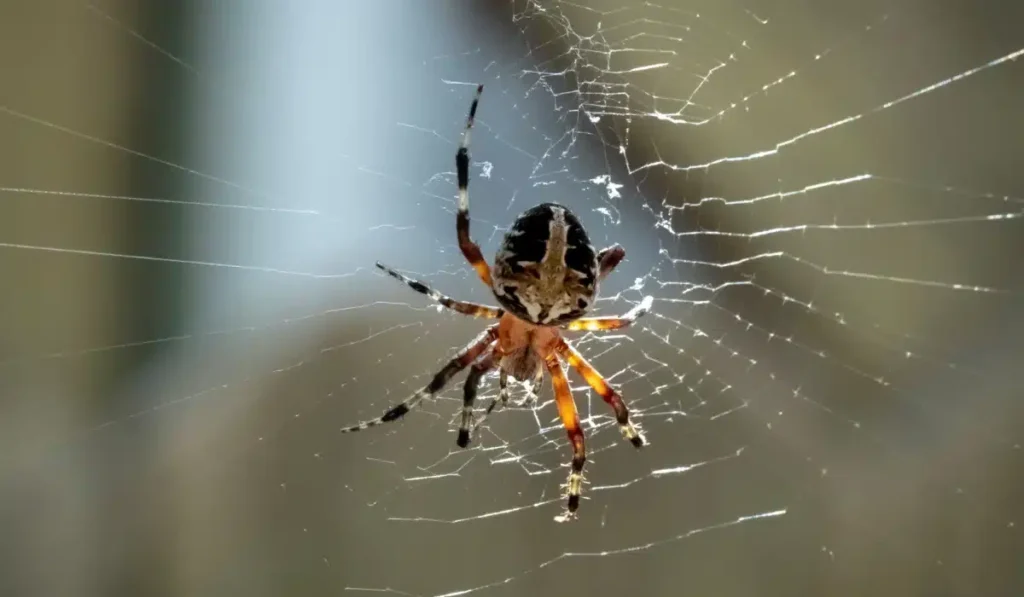
Spiders are a normal part of life in Jacksonville. The warm weather and nearby water create the perfect place for many types of spiders to live and grow. While most are harmless, seeing them often inside your home can still be frustrating.
You may notice a common house spider in a room corner or a cobweb in the garage. Other times, you may spot larger spiders moving across floors or walls at night. These sightings can raise questions about which spiders are harmless and which need attention.
Knowing the common species in your area helps you stay ahead of a possible infestation. It also helps you decide when pest control is the right next step.
Key Takeaways
- Most common house spiders in Jacksonville are harmless
- Some spiders, like the black widow and brown recluse, need attention
- Spiders often settle in attics, garages, basements, and crawl spaces
- Regular pest control helps reduce spider activity and food sources
- Professional help is best if spiders keep coming back
Common House Spiders Found Indoors
These are the spiders you are most likely to see in Jacksonville homes.
American House Spider
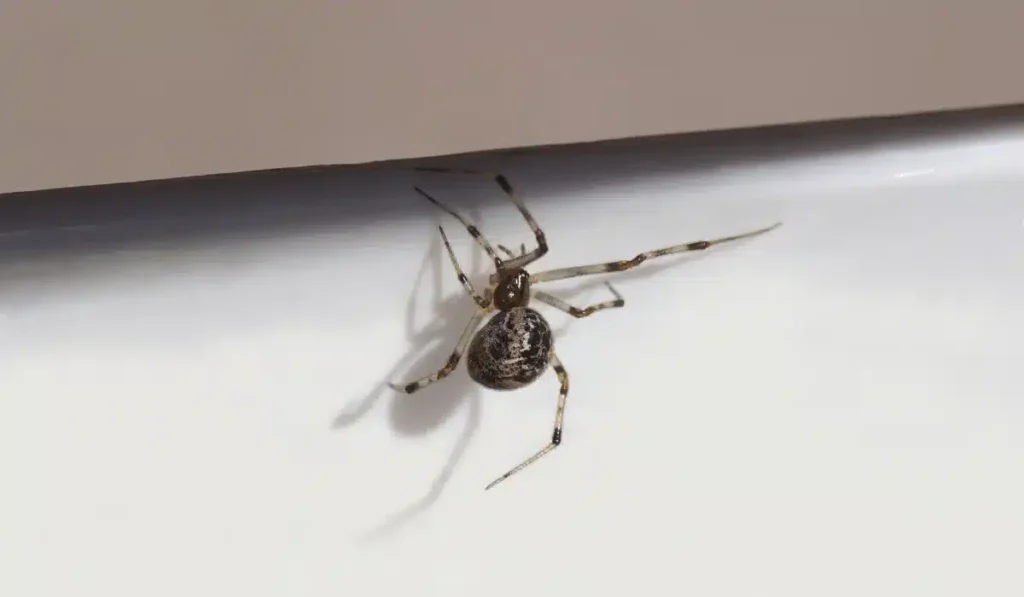
The common house spider is one of the most frequent indoor pests. The American house spider often builds messy cobwebs in corners, ceilings, and closets.
You may see them in attics, basements, or garages where they can stay hidden. They are small, light brown, and usually not dangerous.
Cellar Spiders
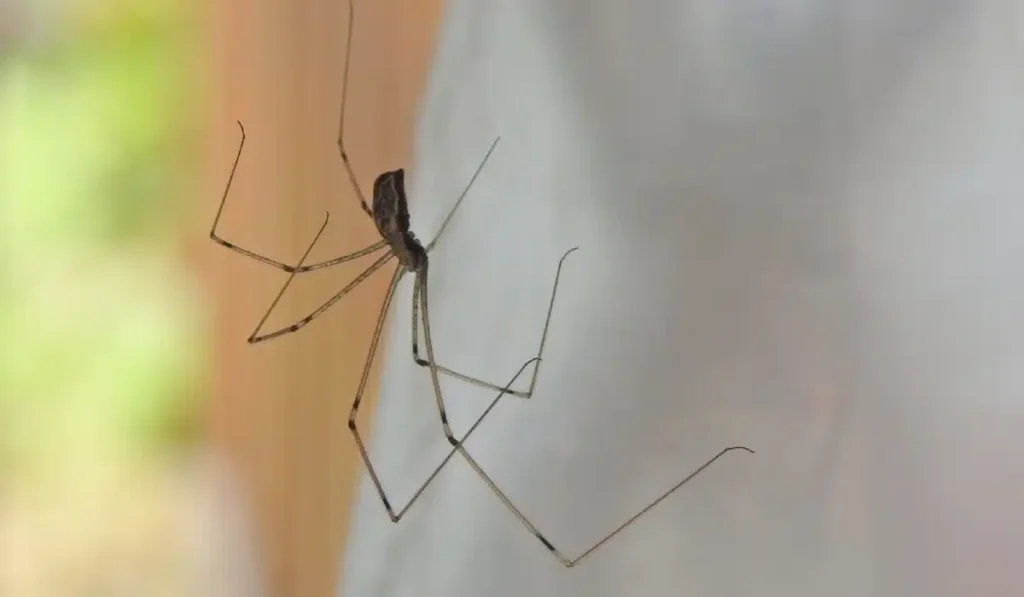
Cellar spiders are also called daddy-longlegs. These cobweb spiders have long legs and thin bodies.
They often hang upside down in basements, crawl spaces, and quiet rooms. While they may look unsettling, they are harmless and help reduce other bugs.
Jumping Spiders
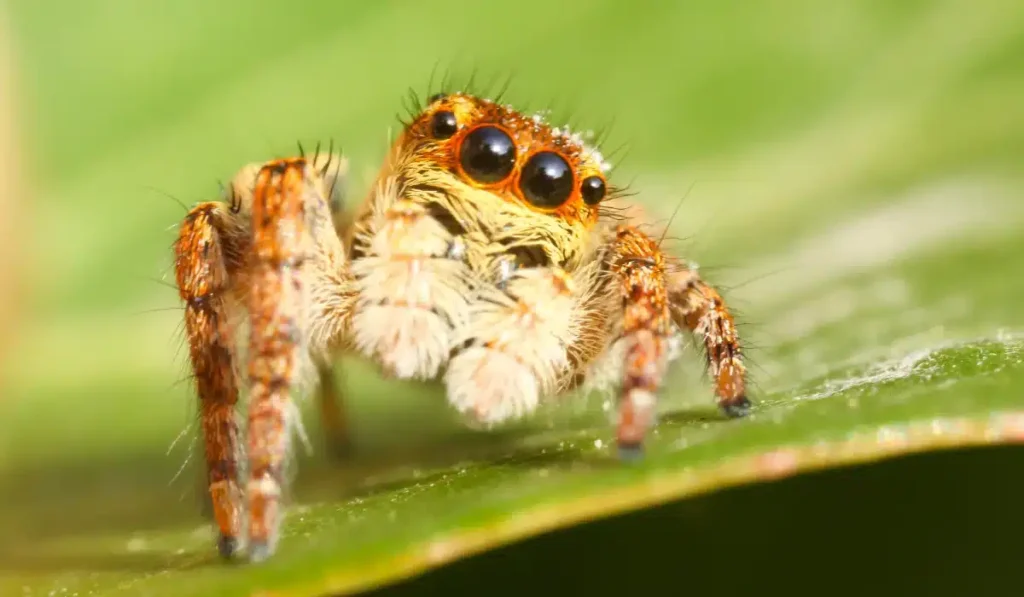
Jumping spiders are easy to spot because they move quickly and do not build webs like other spiders. These small spiders are often found near windows and walls.
They hunt bugs instead of waiting in webs, which helps reduce pests in your home.
Wolf Spiders
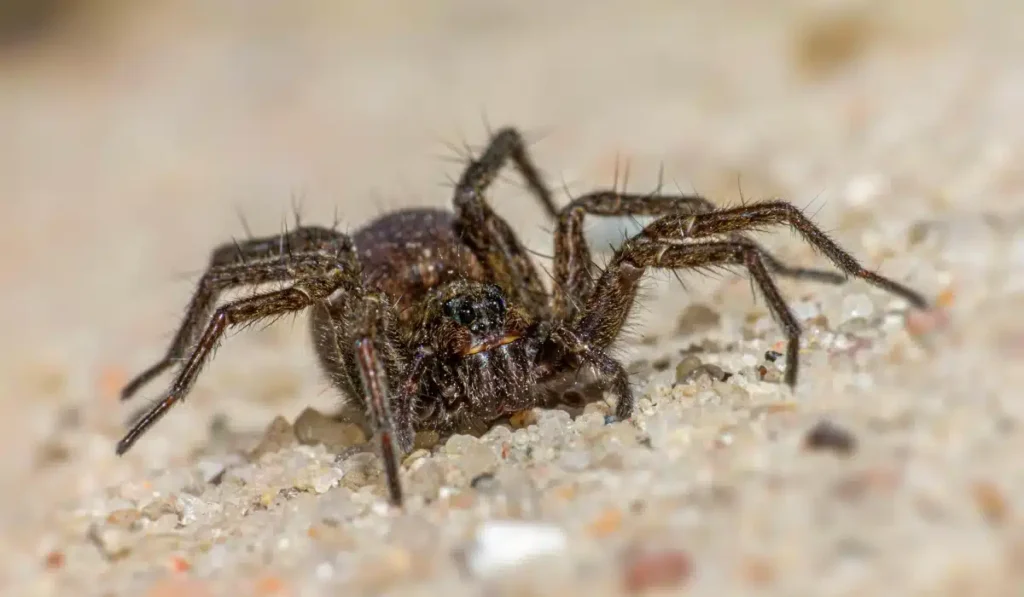
Wolf spiders are one of the largest spiders you may see indoors. They do not build webs and prefer to roam floors and walls.
You may find them in garages or near entry areas. Their size can be alarming, but they are usually not aggressive.
Orb Weaver Spiders
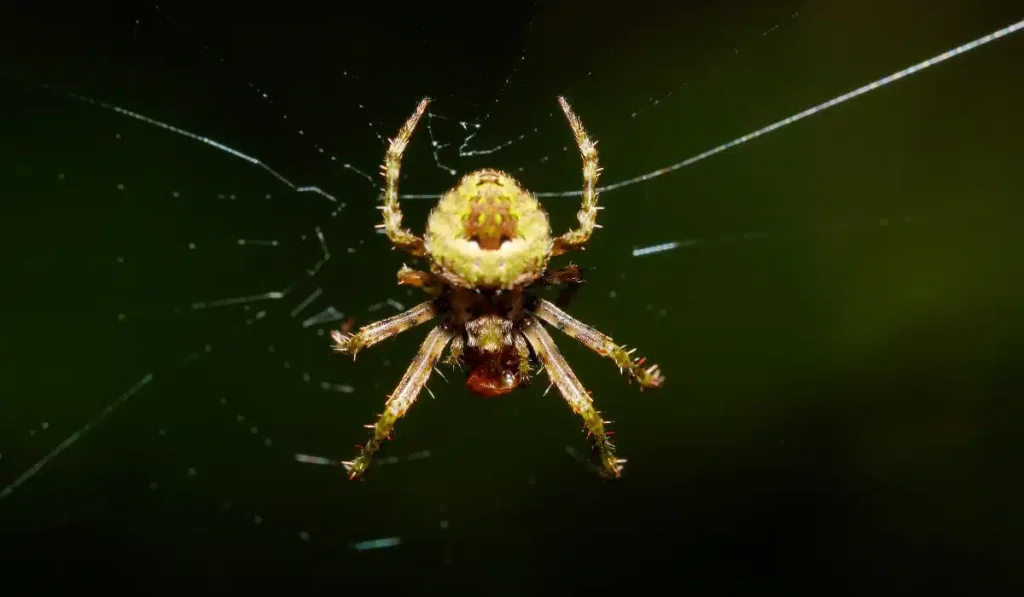
Orb weaver spiders are more common outdoors, but they sometimes show up near windows or doors. They build webs in large circular shapes.
A garden spider is a type of orb weaver. These spiders help control insects and are not a threat indoors.
Sac Spiders
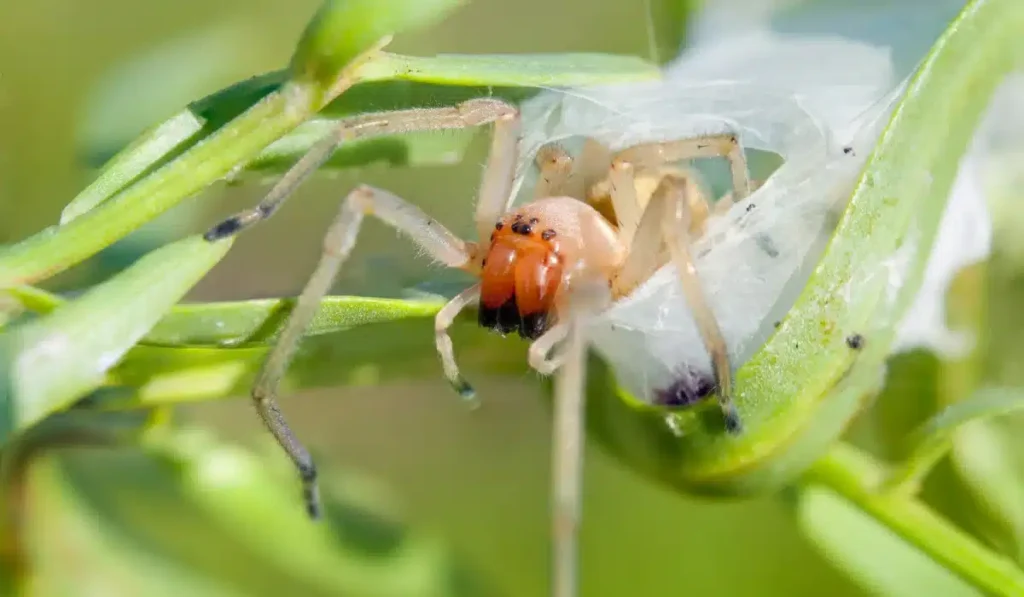
Sac spiders, including the yellow sac spider, are small and light in color. They often hide in crevices, behind furniture, or along ceilings.
They may wander at night and are one of the more active indoor spider species.
Crab Spiders and Grass Spiders
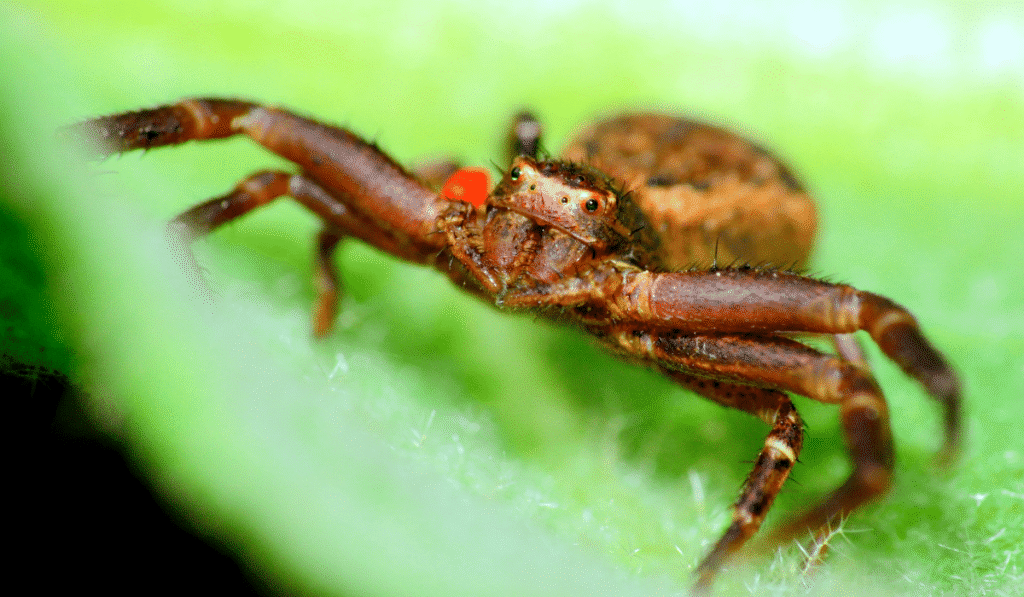
Crab spiders and grass spiders may enter homes from nearby yards. Grass spiders are related to funnel-weaver spiders and build flat, funnel-shaped webs.
Crab spiders do not build webs; instead, they wait for prey. Both are harmless but can still become a nuisance indoors.
How to Tell Common Spiders Apart
You can use a few simple features to tell types of spiders apart.
Body Color and Markings
Color is one of the easiest ways to identify spiders. A black widow spider has shiny black coloring with a red hourglass mark.
Brown recluse spiders are light brown and may have a violin-shaped marking on their back. These are two of the more dangerous spiders to watch for.
Size and Leg Span
Some spiders are easy to spot because of their size. Wolf spiders and fishing spiders are among the largest spiders you may see.
Others, like jumping spiders or cellar spiders, are much smaller but still noticeable due to their movement or long legs.
Web Type and Location
Web style can help with identification. Orb weaver spiders build large, round webs, while cobweb spiders create messy webs in corners.
Some spiders, like wolf spiders and jumping spiders, do not build webs at all. Instead, they hunt for their food source.
Behavior and Movement
How a spider moves can also help. Jumping spiders move quickly and jump short distances.
Wolf spiders tend to run across floors, while cellar spiders stay in one place. These patterns can help you figure out what you are seeing.
Which Spider Sightings Need Attention
Not every spider sighting is a problem, but some situations need action.
Harmless Sightings
Seeing one common house spider or a few cobweb spiders is normal. These spiders often help control insects like flies, mites, and pillbugs.
In these cases, simple cleaning and vacuuming may be enough.
Growing Spider Activity
If you start seeing more spiders, egg sacs, or webs, it may point to a larger infestation. This usually means there is a steady food source nearby.
At this stage, pest control can help reduce both spiders and the insects attracting them.
Dangerous Spiders
Certain spiders need more caution. Black widow and brown recluse spiders can cause serious spider bites.
If you suspect either one, avoid contact and consider professional pest control. Severe bites may require medical attention.
When to Schedule a Spider Inspection
If spiders keep showing up in your home, it may be time for an inspection. This is especially true if you see dangerous spiders, egg sacs, or repeated activity in the same areas.
A trained exterminator can check attics, garages, crawl spaces, and other hiding spots. They can also find entry points and recommend ways to seal cracks and prevent spiders from returning.
ClearDefense Pest Control provides pest control services targeting spiders, ants, silverfish, and other common pests in homes across Jacksonville. These pest control solutions focus on long-term prevention, not just quick fixes.
With the right spider control plan, you can keep your home comfortable and reduce the chance of future infestations.
FAQs
What is the most common house spider in Jacksonville?
The American house spider is one of the most common species found indoors. It usually builds cobwebs in corners, closets, and storage areas.
Are spider bites dangerous?
Most spider bites are mild, but bites from a black widow or brown recluse can be more serious. If symptoms get worse, seek medical attention.
When should I call pest control for spiders?
You should call pest control if you see repeated spider activity, find egg sacs, or notice dangerous spiders inside your home.