
Lift a flowerpot that has been sitting in damp shade, and you may find a few dark ants underneath. They May scatter without forming a trail, and there may be no mound or loose soil to mark the nest. That quiet behavior is one reason the Asian needle ant can remain unnoticed around a home.
This invasive ant species is found across parts of the eastern and southeastern United States. It nests beneath mulch, logs, stones, pavers, and other materials that hold moisture. Contact often happens when someone gardens, moves firewood, clears leaf litter, or reaches beneath an outdoor object.
Southern yards provide many of the conditions these ants use. Shaded planting beds, mature trees, wooded lot edges, and regular irrigation can all create suitable habitat. Knowing where to look can help you avoid an Asian needle ant sting and decide when professional ant control is appropriate.
What Does an Asian Needle Ant Look Like?
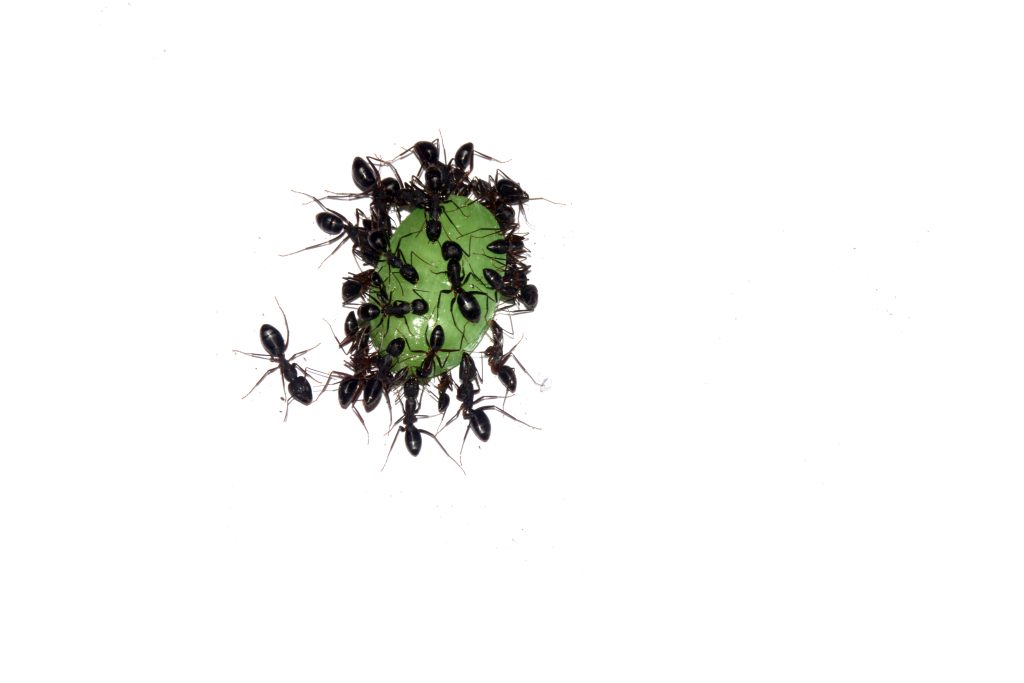
Asian needle ant identification starts with size, color, and behavior. Workers are usually dark brown to black, with lighter orange-brown legs, mouthparts, and antenna tips. Most are about one-fifth of an inch long, which makes them easy to confuse with several native ant species.
Their movement August offer a better clue than color alone. Asian needle ants often forage alone or in small numbers instead of following a thick, orderly trail. They also tend to stay near the soil and beneath cover, so a homeowner may see only a few workers before exposing a larger nesting area.
Asian Needle Ants Compared With Fire Ants
| Feature | Asian Needle Ant | Imported Fire Ant |
| Typical color | Dark brown or black with lighter legs | Reddish brown with a darker abdomen |
| Worker size | About one-fifth of an inch | Several worker sizes occur in one colony |
| Common nest location | Under wood, mulch, stones, and pavers | Open soil and sunny lawn areas |
| Visible mound | Usually absent | Often present |
| Common encounter | Moving covered yard materials | Stepping near or disturbing a mound |
| Colony response | Workers August stay scattered or concealed | Many workers can rush to the surface |
The comparison helps narrow the possibilities, but it does not replace professional identification. Several small black ants live in Southern landscapes, and color alone is not enough to confirm the species.
Why This Invasive Ant Species Concerns Researchers
Asian needle ants compete with native ants for food and nesting space. In areas where their populations become dense, researchers have documented lower native-ant abundance and diversity. That change matters because native ants perform several small but useful jobs in wooded landscapes.
Some native ants support seed dispersal by carrying seeds away from parent plants and placing them in protected soil. Others prey on insects in leaf litter, decaying wood, and garden beds. When one invasive species becomes dominant, those relationships can change.
The USDA Forest Service Asian needle ant report describes reduced native-ant activity in invaded habitats and explains that the ant had already been recorded in several Southeastern states by 1932. The report also notes its association with disrupted seed movement in affected forest settings.
Termite Predation Does Not Make the Ant Helpful
Asian needle ants feed on termites and other small invertebrates. That diet may help colonies succeed around decaying wood, mature trees, and wooded property lines.
Their appetite for termites does not provide dependable termite protection. The ants cannot inspect structural wood or eliminate every hidden colony. Their presence also adds a stinging pest to areas where people garden, walk, and play.
Why Asian Needle Ants Thrive in Southern Yards
Asian needle ants favor damp, shaded spaces with steady access to prey. Thick mulch holds moisture against the soil, while leaves, bark, and rotting logs shield the colony from direct sunlight. Loose pavers and landscape timbers create similar protection.
These conditions are common in established neighborhoods around Raleigh, Charlotte, Augusta, Nashville, and Jacksonville. A well-kept property can still support colonies when mature trees shade foundation beds or irrigation keeps one part of the yard damp. The issue is not poor maintenance. It is the combination of shelter, moisture, and food.
Colonies Can Occupy Several Nesting Sites
An Asian needle ant colony may use more than one sheltered location. Workers found under a stone could belong to a population that also occupies nearby mulch, a decaying root, or the space beneath a walkway.
That nesting pattern makes treatment placement more difficult. Removing one log or spraying visible workers August reduce activity in one spot while ants remain active nearby. An inspection has to account for the broader habitat, not just the first place ants appear.
Where to Look for Asian Needle Ant Activity
Asian needle ants are most likely to appear in areas that stay covered and damp. Before lifting pots, wood, or stones, put on gloves and move the item from an exposed edge. Avoid sliding a bare hand underneath, since ants can sting when trapped against skin.
The NC State Extension Asian needle ant guide reports activity in landscapes, homes, and food-handling areas. Indoor sightings often involve workers searching for food rather than a colony living in the kitchen. The main nest may still be outside near the foundation.
| Area to Inspect | Why Ants Use It | What You may Notice |
| Potted plants | Damp soil and drainage spaces offer cover | Workers beneath the pot or near drainage holes |
| Firewood piles | Lower logs stay cool and moist | Ants under bark or between pieces of wood |
| Mulch beds | Organic material protects the soil | Scattered workers beneath the dry surface |
| Stones and pavers | Covered soil stays shaded | Ants entering gaps along the edges |
| Landscape timbers | Aging wood holds moisture | Activity near softened wood or loose bark |
| Leaf litter | Leaves shelter ants and small prey | Workers beneath damp piles near fences or trees |
| Foundation beds | Irrigation and dense plants create cover | Ants near siding, utility openings, or walkways |
Finding one dark ant does not prove that an infestation is present. Repeated activity in the same damp area, workers under several nearby objects, or ants entering the home gives you a better reason to seek confirmation.
How Asian Needle Ants Reach New Properties
Asian needle ants can spread through connected habitat, but people may also move them without realizing it. Potted plants, firewood, soil, logs, and landscaping materials can contain workers or other parts of a colony.
A planter may look clean above the soil while ants remain near the root ball or beneath the pot. Firewood moved into a garage can carry ants hidden under bark. Inspecting these materials before transport reduces the chance of bringing a colony closer to the house.
This pathway also helps explain why local distribution can be uneven. One shaded property August support several nesting sites while a sunnier yard nearby shows little activity.
How to Make Your Yard Less Attractive
Asian needle ant prevention should focus on persistent moisture and unnecessary cover. You do not need to remove every tree or dry out healthy planting beds. Start with the areas closest to the foundation, patio, walkways, and other spaces your family uses often.
Thin mulch that has become deep or tightly packed. Clear wet leaves from porch edges, fence lines, and foundation beds. Repair outdoor faucet leaks, check irrigation lines, and redirect downspouts that repeatedly soak the same patch of soil.
Store Wood and Outdoor Materials Carefully
Keep firewood raised from the ground and away from exterior walls. Inspect the lowest pieces before carrying wood into a garage or home. Remove rotting boards, broken landscape timbers, and fallen branches that no longer serve a purpose.
Check potted plants before moving them indoors. Look around drainage holes, under saucers, and beneath the pot itself. These small habits make it easier to spot activity before ants are transported.
| Yard Task | Safer Approach |
| Moving firewood | Wear gloves and inspect the lowest logs first |
| Lifting planters | Tilt the pot away from your body before checking underneath |
| Clearing leaves | Use a rake before reaching into a damp pile |
| Moving stones | Lift from an exposed edge and step back |
| Working in mulch | Wear gloves, closed shoes, and long pants |
| Finding unknown ants | Take clear photos and record the nesting location |
Avoid spraying every visible ant with a general yard product. Surface workers August represent only a small part of a colony spread among several nests. Broad treatment can miss the source and affect insects that are not causing the problem.
When Professional Asian Needle Ant Control Makes Sense
Professional ant control is worth considering when workers keep returning to the same area, appear near patios or play spaces, enter the home, or are connected with a sting. Activity beneath several objects may also point to a broader colony network.
A technician should inspect the conditions supporting the ants, including mulch depth, moisture, pavers, firewood, decaying wood, and foundation gaps. The location of one worker matters less than the pattern across the property.
Protecting Your Southern Yard From Asian Needle Ants
The Asian needle ant is easy to overlook because it stays close to the soil and beneath ordinary landscaping materials. Its hidden nests increase the chance of accidental contact during gardening, cleanup, or routine yard work.
Reduce persistent moisture, remove unnecessary debris, inspect pots and firewood before moving them, and wear gloves around damp ground cover. When activity continues near your home or high-use areas, contact ClearDefense Pest Control for an inspection. A trained technician can confirm the ant, locate likely nesting areas, and target treatment where the colony is active.