
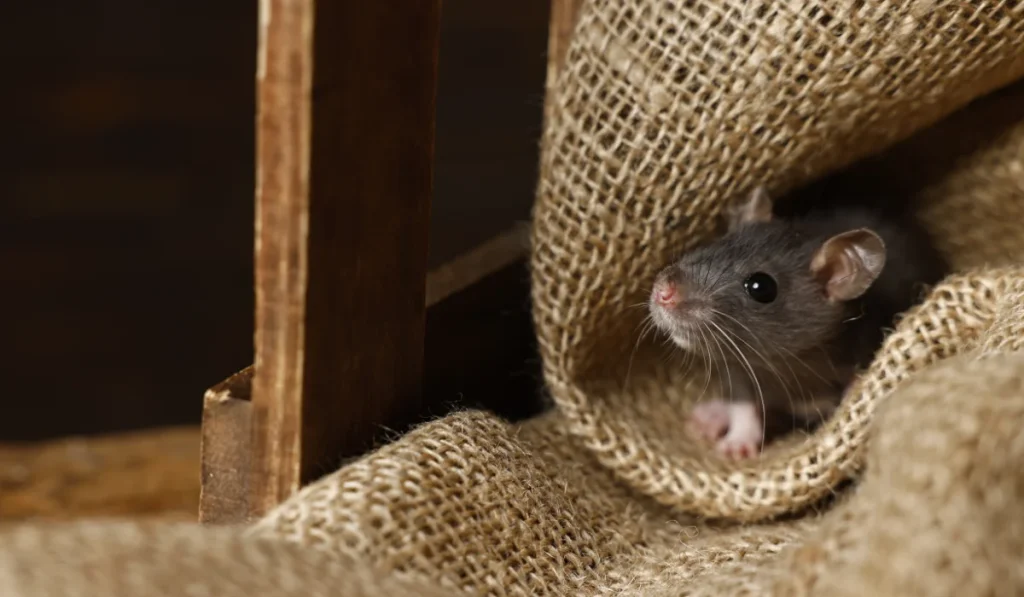
Scratching above the ceiling after the house gets quiet can be easy to dismiss the first time. Then you find droppings behind stored food, a torn pet food bag in the garage, or fresh gnaw marks around a cabinet. At that point, the noise starts to look less mysterious.
Homeowners dealing with rats in North Carolina usually need to know about two types: Norway rats and roof rats. Both can enter homes, but their habits differ. Norway rats tend to stay closer to ground level, while roof rats are stronger climbers and often use elevated areas.
Finding the species is only part of the job. A lasting solution also means identifying rat entry points, removing animals already inside, and closing the openings that could let more rats follow.
What Types of Rats Are Common in North Carolina?
North Carolina rats found around homes generally fall into two groups: Norway rats and roof rats. They can leave similar evidence, so location and body shape help with identification.
The NC State Extension identifies Norway rats and roof rats as the two rat species that commonly invade structures across much of the United States. The same guide describes clear differences in where they travel and nest.
Norway Rats
Norway rats have heavy bodies, relatively small ears, and shorter tails. They are strong burrowers and tend to spend more time at or below ground level.
Around a house, that can put activity near foundations, crawl spaces, garages, sheds, and protected outdoor areas. Burrows outside don’t prove that rats have entered the home, but burrows combined with indoor droppings or gnaw damage deserve a closer look.
Roof Rats
Roof rats are slimmer and have relatively large ears and long tails. Their climbing ability makes attics, rafters, rooflines, and upper storage areas more common places to find evidence.
Overhanging tree limbs, fences, pipes, and other elevated features can help roof rats approach a house above ground level. Once they reach the structure, damaged vents or gaps near the roof may provide access.
| Feature | Norway Rat | Roof Rat |
| Build | Heavy and stocky | Slender |
| Ears | Relatively small | Relatively large |
| Tail | Shorter than head and body combined | Often longer than the body |
| Common Activity Area | Ground level, burrows, crawl spaces | Attics, rafters, rooflines |
| Strongest Habit | Burrowing | Climbing |
What Are the Signs of Rats, and When Are They Most Active?
A rat infestation doesn’t always begin with a live sighting. Rats use sheltered areas and tend to move when a home is quieter, so droppings, damage, and sounds frequently provide the first clues.
Fresh evidence is more useful than something that may have been sitting behind a box for months. If new rat droppings appear after cleanup or fresh damage develops on recently stored items, there’s a stronger reason to suspect current activity.
Droppings, Gnaw Marks, and Other Evidence
Rat droppings are roughly 1/2 to 3/4 inch long. NC State reports that one rat can produce an average of 30 to 50 droppings in a day. Look near stored food, attics, crawl spaces, garages, sheds, and other protected areas.
Gnaw marks can appear on cardboard, wood, plastic containers, insulation, and wires. Rats may also leave dark, greasy rub marks along walls or pipes where they repeatedly use the same travel route.
| Sign | What You May Notice |
| Rat droppings | Dark pellets near food, storage areas, attics, or crawl spaces |
| Gnaw marks | Fresh damage on packaging, wood, plastic, insulation, or wiring |
| Scratching noises | Movement, rustling, or chewing in walls and ceilings |
| Rub marks | Dark, greasy smears along repeated travel routes |
| Nesting material | Shredded paper, cardboard, fabric, or insulation |
| Burrows | Openings in protected soil near foundations or structures |
When Are Rats Most Active?
Rats are mainly nocturnal. Much of their movement takes place from dusk through dawn, which is why scratching noises in walls or ceilings often become easier to hear after the household settles down.
Hearing something at night doesn’t identify the animal by itself. Mice and other animals can make similar noises. Dropping size, gnaw damage, travel marks, and the location of the activity give a much clearer picture.
How Do Rats Get Inside North Carolina Homes?
Rats don’t need a large opening to enter a house. Adult rats can use gaps around 1/2 inch wide, while young rats may pass through openings around 1/4 inch.
That makes small construction gaps worth taking seriously. Common rat entry points include spaces around plumbing and utility lines, foundation openings, damaged vents, roof gaps, worn garage-door edges, soffits, and deteriorated exterior materials.
Ground-Level Entry Points
Norway rats are more likely to lead an inspection toward the lower part of a structure. Gaps around pipes, crawl-space openings, foundation defects, utility penetrations, and garage doors can all provide access.
Rats may also establish burrows beside foundations or protected structures outside. Finding outdoor activity helps determine where to inspect, but the exterior and interior clues need to be considered together.
Attics and Rooflines
Rats in an attic can enter from well above ground level. Roof rats climb trees, fences, and structural features, which lets them approach vents, eaves, soffits, and roof intersections.
A homeowner may hear movement over an upstairs bedroom while finding little evidence on the first floor. In that situation, the roofline deserves as much attention as the foundation.
Finding the access route matters because a trap only deals with a rat that has already entered. If the opening remains accessible, the same route may be used again.
What Risks Can a Rat Infestation Create?
Rat activity raises concerns for both sanitation and property damage. The level of risk depends on where rats are traveling, what they have contaminated, and what they are chewing.
A few droppings in an isolated area and widespread activity in a pantry or attic aren’t the same situation. Either way, cleanup and inspection should be handled carefully.
Health and Cleanup Concerns
Rats can contaminate food and surfaces with droppings, urine, and saliva. Stored food that has been gnawed open or contaminated should not be treated as usable simply because most of the package looks untouched.
The Centers for Disease Control and Prevention (CDC) advises against sweeping or vacuuming dry rodent droppings or nesting material. The material should first be wetted thoroughly with an appropriate disinfecting solution before cleanup.
That guidance is especially useful in enclosed spaces such as attics, garages, sheds, or storage rooms where dry material may have accumulated.
Chewed Wiring and Property Damage
Rats gnaw regularly because their front teeth keep growing. Indoors, that behavior can damage wood, insulation, food containers, plastic, and electrical wiring.
Chewed wiring deserves particular attention. Damage to the protective coating around a wire can create electrical problems and increase the risk of fire. Because wiring often runs behind walls or beneath insulation, the damage isn’t always visible from the living area.
Rats may also pull apart insulation and other soft materials for nesting. Repeated scratching or gnawing in the same hidden area gives you a reason to inspect rather than assume the animal has moved on.
What Works Best for Rat Control?
Effective rat control needs to address the rats that are already present and the openings that allowed them to enter. Concentrating on only one side of that problem can leave the house vulnerable to continued activity.
That’s where rat trapping and rodent exclusion work together. Traps remove active rats from the structure, while exclusion blocks the entry routes that can allow another rat inside.
Why Trapping and Exclusion Work Together
Rat trapping works best when traps are placed along travel routes where fresh signs are present. Random placement is less useful because rats commonly follow established paths along walls, framing, or other protected edges.
Rat exclusion addresses the structural side of the problem. Gaps around pipes, vents, roofs, foundations, and other entry areas need to be identified and sealed with materials appropriate for the opening.
Food and water also matter. Pet food, birdseed, unsecured trash, leaks, and accessible stored food can support rodent activity around a property even after rats have been removed from the house.
Why Poison Alone Is Not a Complete Solution
Rat poison may reduce a population in some situations, but it doesn’t close an opening. If a damaged vent or utility gap remains accessible, reducing the rats currently present does nothing to stop another rat from using that route later.
There are also placement and safety considerations. The Environmental Protection Agency (EPA) stresses following label directions and placing bait so children, pets, and other animals can’t access it.
Indoor bait presents another practical issue. A rat may die in an inaccessible wall or attic space. Strategic trapping can provide more control over where rats are removed, while exclusion deals with the opening behind the infestation.
| Part of Rat Control | Purpose |
| Inspection | Finds rat activity and likely entry points |
| Rat trapping | Removes rats that are already inside |
| Rat exclusion | Closes routes rats can use to enter |
| Sanitation | Reduces accessible food, water, and shelter |
| Monitoring | Shows whether fresh activity continues |
When Is It Time to Call a Professional?
One unexplained sound doesn’t always mean you need professional rat control. Recurring evidence changes the situation. Fresh droppings after cleanup, new gnaw damage, repeated nighttime noises, chewed wiring, or activity in several areas point to a problem that deserves a full inspection.
Professional help is also useful when rats appear to be in an attic, crawl space, wall void, or roofline that’s difficult to inspect safely. If traps catch rats but new signs continue to appear, there may be another animal inside or an entry point that has not been found.
A professional inspection should answer more than “Are there rats?” It should identify where they are moving, where they may be entering, and which areas need trapping, exclusion, or continued monitoring.
Get Rat Control That Addresses the Source
Removing one rat is useful. Finding out how it entered is what helps keep the same problem from repeating. That’s why a complete approach should combine inspection, targeted rat trapping, exclusion work, and follow-up rather than treating one sighting as the whole infestation.
ClearDefense Pest Control technicians inspect areas such as attics, crawl spaces, foundations, vents, and utility openings for signs of rodent activity and access. Traps and secured stations can then be placed where rats are actually traveling, while accessible entry gaps are addressed as part of the control plan. If you’re finding droppings, hearing nighttime activity, or seeing gnaw damage, contact ClearDefense Pest Control for professional rodent control to have the property inspected and the source of the activity identified.
Frequently Asked Questions About North Carolina Rats
What are the first signs of a rat infestation?
Droppings, gnaw marks, greasy rub marks, torn food packaging, and scratching noises are common early signs of rats. Look for evidence near food storage, wall edges, attics, crawl spaces, and garages. Fresh evidence that returns after cleanup is more useful than old droppings when deciding whether activity is current.
What time of night are rats most active?
Rats are nocturnal and usually become active after dusk. They may move several times during the night to feed, drink, or return to nesting areas. This is why homeowners often notice scratching or rustling after the house becomes quiet, even when they have never seen a rat during the day.
How do rats get into attics?
Roof rats can climb trees, fences, pipes, and parts of a house to reach the roofline. From there, gaps around vents, eaves, soffits, and roof intersections may provide access to an attic. Finding the exact entry point matters because trapping indoor rats won’t prevent another one from using an open gap.
Is it better to trap or poison rats?
Trapping and exclusion give homeowners more control over rats that are already inside and the openings that allowed them in. Poison may have a role in some control plans, but it doesn’t seal entry points and can create safety or carcass-removal concerns when used incorrectly indoors.