
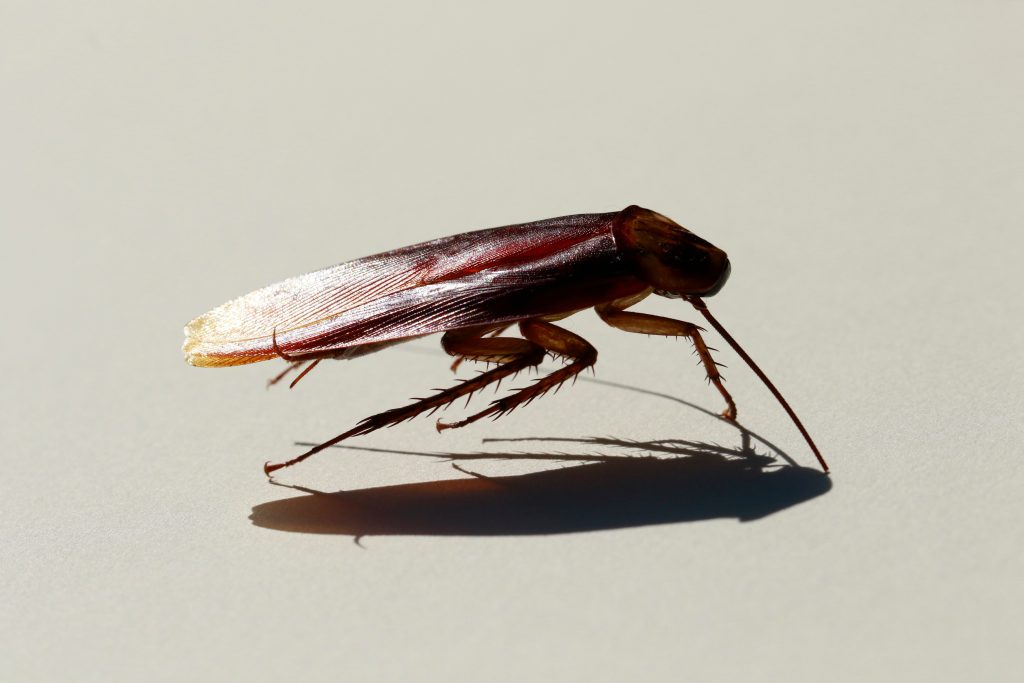
You walk into the garage after an evening storm and spot a large reddish-brown bug racing toward a storage box. It has long antennae, spiny legs, and a body much larger than the small roaches people usually picture. In Florida, most homeowners would call it a palmetto bug.
Palmetto bugs in Florida are cockroaches, but the nickname can cause confusion. People use it for several large species, including American cockroaches, Florida woods cockroaches, and smokybrown cockroaches. These species look similar from a distance, yet they live in different places and enter homes in different ways.
Florida’s heat, humidity, landscaping, and frequent rain support cockroach activity for much of the year. Sightings often increase during warm and wet periods, but there is no single month when every palmetto bug disappears. Understanding the species and the season helps you decide whether you found one outdoor visitor or signs of a larger problem.
What Are Palmetto Bugs in Florida?
“Palmetto bug” is a regional name rather than an official scientific classification. Some Florida residents use it specifically for the Florida woods cockroach. Others use the same name for any large cockroach found around a patio, garage, drain, or landscape bed.
The nickname does not mean the insects live only in palmetto trees. Large outdoor cockroaches shelter in places that stay damp, dark, and protected. Common habitats include mulch, leaf litter, hollow trees, woodpiles, storm drains, sewer systems, utility boxes, and debris beneath shrubs.
The University of Florida IFAS Extension describes Florida’s larger household cockroaches as roughly 1 1/4 to 2 inches long, depending on the species. Small indoor species, including German and brown-banded cockroaches, are usually closer to 1/2 inch. That size difference offers a useful first clue, although color, markings, and location provide a more reliable identification.
How to Identify the Most Common Palmetto Bugs
Three species account for many of the large cockroach sightings around Florida homes. Checking the body color, markings, wing development, and location can narrow down what you found.
| Species | Typical adult appearance | Flight ability | Common locations |
| American cockroach | Reddish-brown, usually 1 1/4 to 2 inches long, with a pale yellow border behind the head | Adults can fly or glide, but often run | Drains, sewers, mulch, garages, utility areas, and plumbing spaces |
| Florida woods cockroach | Broad, dark reddish-brown to nearly black body, often 1 to 2 inches long | Poor flier because the wings are reduced | Leaf litter, logs, woodpiles, sheds, porches, and outdoor storage |
| Smokybrown cockroach | Glossy, uniform dark brown or mahogany body, usually 1 1/4 to 1 1/2 inches long | Stronger flier than the other two | Trees, gutters, rooflines, attics, soffits, and exterior walls |
American Cockroaches

American cockroaches are among the largest roaches found around Florida buildings. Their reddish-brown coloring and pale marking behind the head help distinguish them from smokybrown cockroaches. The marking sometimes resembles a loose figure eight, although its shape is not identical on every insect.
These cockroaches prefer warm, damp environments. They often occupy sewer systems, drains, utility rooms, mulch beds, and areas near plumbing. An adult found near a bathroom drain or ground-floor utility opening may be an American cockroach moving from one of these protected sites.
Florida Woods Cockroaches

Florida woods cockroaches have wide, heavy bodies and reduced wings. They move more slowly than American cockroaches and do not fly well. When disturbed, they can release a strong-smelling defensive fluid, which explains the nickname “Florida stinkroach.”
This species spends most of its life outdoors under bark, leaves, logs, or decaying wood. It rarely establishes a major indoor population. One may wander into a garage or arrive inside with firewood, potted plants, landscape supplies, or stored outdoor equipment.
Smokybrown Cockroaches
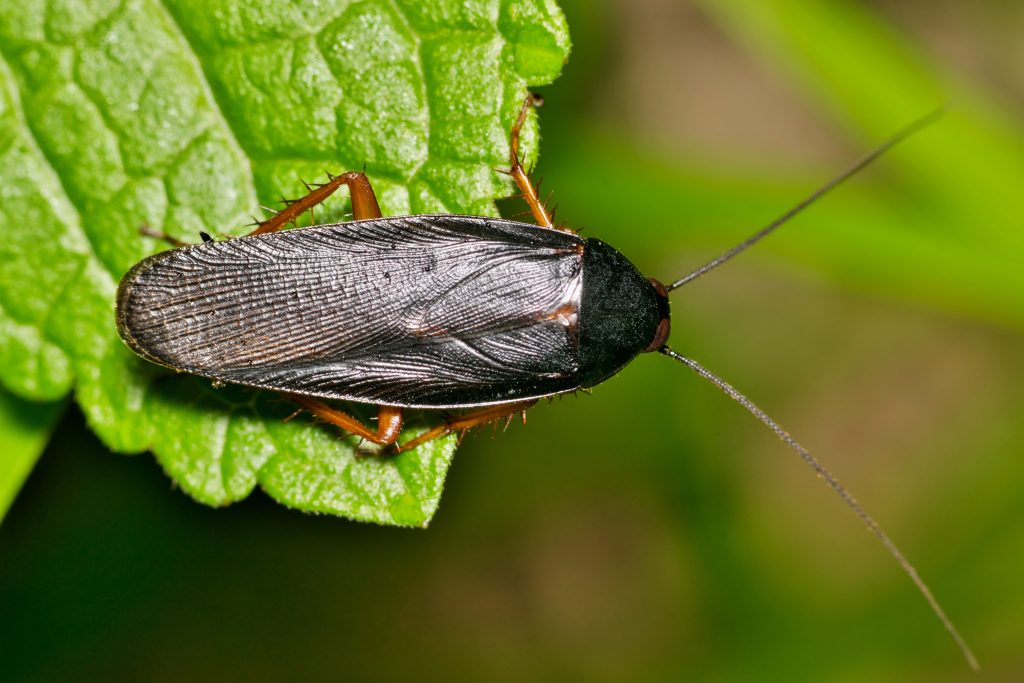
Smokybrown cockroaches have a smooth, glossy color without the pale yellow marking seen on American cockroaches. Their wings are fully developed, and adults fly more readily. Porch lights and bright exterior fixtures may attract them toward doors, windows, and upper levels of a home.
Trees, gutters, attics, and roof openings are common problem areas. Finding these roaches near a second-story window or attic access may point to activity above ground rather than around a floor drain.
When Is Palmetto Bug Season in Florida?
Palmetto bug season in Florida does not have a firm beginning or end. Mild winters allow some activity throughout the year, particularly in southern and coastal areas. North Florida may experience a clearer winter slowdown, but protected populations can remain active in drains, wall voids, attics, and heated buildings.
Warm temperatures increase movement, feeding, and reproduction. Humidity also helps cockroaches avoid drying out, which is why they gather in shaded landscaping and other places where moisture lasts. Homeowners often notice the greatest pressure from late spring through early fall, when heat and rainfall create favorable outdoor conditions.
Florida’s wet weather supports that seasonal pattern. According to the Florida Climate Center, the state averaged 44.53 inches of precipitation in 2025. June through September accounted for 24.64 inches, or about 55% of the annual total. These figures show how much of Florida’s rainfall can arrive during the warmer months, when palmetto bug activity is often more noticeable.
| Time of year | Expected activity | What homeowners may notice |
| Spring | Outdoor movement rises as temperatures increase | More activity near patios, landscaping, garages, and outdoor storage |
| Summer | Heat, humidity, and rain support the highest pressure | Roaches near doors, drains, mulch, pool equipment, and damp utility areas |
| Fall | Warm conditions can continue, especially after storms | New indoor sightings after heavy rain or tropical weather |
| Winter | Outdoor movement may slow in cooler parts of Florida | Activity can continue in sewers, attics, wall voids, and heated spaces |
Heavy rain can flood drains, saturate mulch, and disturb hiding places beneath leaves or debris. Cockroaches may then move toward garages, lanais, entryways, or utility spaces. Dry weather can produce a different problem by pushing them toward dependable water sources around plumbing and irrigation.
Why Palmetto Bugs Come Inside
Most large Florida cockroaches begin outdoors. They enter homes when weather disrupts their shelter or when a building offers easier access to food, water, and protected hiding places. A clean home can still have palmetto bugs if moisture and entry points remain available.
Garage doors are a common route. A worn bottom seal can leave a wide gap along the floor, while damaged side weather stripping creates openings near the frame. Cockroaches can also enter through torn screens, loose exterior doors, plumbing penetrations, dryer vents, soffits, roof gaps, and poorly covered drains.
Conditions around the foundation influence how often this happens. Thick mulch, fallen palm fronds, clogged gutters, stacked firewood, and overwatered planting beds hold moisture close to the structure. Flying species may also gather around bright exterior lights and slip inside when someone opens a nearby door.
| Home condition | Why it attracts or admits palmetto bugs | Practical correction |
| Mulch touching the foundation | Creates cool, moist shelter beside exterior walls | Pull mulch back and allow the area near the wall to dry |
| Leaking faucet or pipe | Provides a dependable water source | Repair the leak and dry the surrounding area |
| Worn garage seal | Leaves a direct ground-level opening | Replace the bottom seal and check both sides of the door |
| Clogged gutters | Keeps roof edges and walls damp | Remove debris and confirm water flows through downspouts |
| Bright lights beside doors | Draws flying cockroaches toward entrances | Use less attractive outdoor bulbs and keep doors closed |
| Gaps around utility lines | Connects outdoor habitat to wall voids | Seal openings with an appropriate exterior material |
Does One Palmetto Bug Mean You Have an Infestation?
One large cockroach does not always mean a colony is living inside your home. An adult found near an open garage, exterior door, or screened patio may be an accidental visitor. The location, time of day, and number of sightings matter more than the presence of one insect.
Repeated sightings deserve closer attention, especially when they occur in kitchens, bathrooms, attics, or several rooms. Nymphs are another concern. These young cockroaches are smaller and lack fully developed wings, so finding them indoors may suggest that a breeding site is nearby.
Egg cases, droppings, shed skins, or a persistent musty odor add more evidence. Frequent daytime activity can also signal a crowded hiding place, although a disturbed cockroach may appear during the day for other reasons. A careful inspection can determine whether the problem begins outdoors, inside a drain system, along the roofline, or within the home.
Health Concerns Linked to Cockroaches
Palmetto bugs do not normally bite people, and they do not sting. The larger concern comes from where cockroaches travel. They may move through drains, garbage, sewer areas, or decaying organic material before crossing food storage areas and kitchen surfaces.
Cockroach waste, saliva, and shed body parts can also contain allergens. An Environmental Protection Agency report found detectable cockroach allergen in 63% of surveyed U.S. dwellings. It found levels above a cited asthma morbidity threshold in 10.2% of dwellings. Those national figures cover cockroaches as a group, not palmetto bugs alone, but they show why recurring indoor activity matters for households with allergy or asthma concerns.
The level of concern depends on the situation. One outdoor cockroach that enters a garage is different from a population leaving droppings and shed material throughout a kitchen. Removing the insect, cleaning the area, and correcting the entry route can prevent an occasional sighting from turning into an ongoing issue.
How to Keep Palmetto Bugs Out of Your Florida Home
Start by reducing the outdoor conditions that bring cockroaches close to the house. Clear leaves, palm debris, and decaying wood from the foundation. Store firewood off the ground and away from exterior walls. Thin deep mulch near the home so the soil surface has a chance to dry after rain or irrigation.
Next, inspect the exterior for openings. Replace torn screens and worn door sweeps. Seal gaps around pipes, cables, vents, and utility lines. Check soffits, roof edges, attic vents, and garage seals, especially if smokybrown cockroaches have appeared near an upper floor.
Moisture control matters inside as well. Repair plumbing leaks, wipe up standing water, and check condensation around air-conditioning equipment. Clean food residue from behind appliances and store pet food in sealed containers. Taking garbage out regularly removes another dependable food source.
Sticky monitoring traps can help locate travel routes. Place them against walls beneath sinks, behind appliances, or near suspected entry points. A trap can confirm where activity is occurring, but it will not correct moisture, exterior habitat, or structural openings by itself.
When Professional Palmetto Bug Control Makes Sense
Professional service becomes useful when sightings continue after basic cleaning and exclusion work. It is also worth considering when cockroaches appear in several parts of the home, when nymphs or egg cases are present, or when activity seems connected to drains, attics, or inaccessible wall spaces.
A trained technician can identify the cockroach and focus on the places that support it. American cockroach activity may lead the inspection toward drains, plumbing areas, and ground-level openings. Smokybrown cockroaches may require more attention around gutters, trees, soffits, and attic vents. Florida woods cockroaches usually point back to outdoor debris or stored materials.
Keeping Palmetto Bugs Out Through Every Florida Season
Palmetto bugs in Florida are a year-round possibility, but they become more noticeable when heat, humidity, and rain increase outdoor activity. Correct identification tells you where to look. American cockroaches often connect to damp ground-level areas, Florida woods cockroaches usually come from outdoor debris, and smokybrown cockroaches may enter from trees or the roofline.
The best results come from combining moisture control, exterior cleanup, structural repairs, and targeted service when needed. A single sighting may be an outdoor visitor, but repeated activity should not be ignored. ClearDefense Pest Control can inspect your Florida home, identify the source, and build a treatment plan that addresses current palmetto bug activity while reducing the chance of another indoor surprise.