
Fleas and Ticks can create costly problems when early signs are missed. Learn what to look for, why it matters, and when to call ClearDefense Pest Control.
Key Takeaways About Fleas and Ticks
- Fleas are small, wingless parasites that feed on warm-blooded animals, leaving behind itchy bites that can trigger allergic reactions in some people and pets.
- Ticks can carry diseases that pose health risks to your household, so prompt identification and removal matter.
- Both fleas and ticks often arrive indoors on pets, making coordinated indoor and outdoor treatment important for reducing activity in your home.
- Ongoing prevention, including regular vacuuming, keeping your lawn trimmed, and treating pets on the same day as your home, helps limit reinfestation.
How to Identify Fleas and Ticks
Knowing what fleas and ticks look like, and where they turn up, helps you act before a small presence grows. Both pests are small enough to miss at a glance, but each leaves distinct clues on your pets, in your carpeting, and around your yard.
How to Tell Fleas and Ticks Apart
Fleas are tiny, reddish-brown parasites with bodies flattened side to side and covered in a hard shell. They grow to about 1/8 of an inch and lack wings. Large hind legs let them jump impressive heights and move through thick fur. When engorged with blood, a flea may look reddish-black instead of its usual brownish-black color.
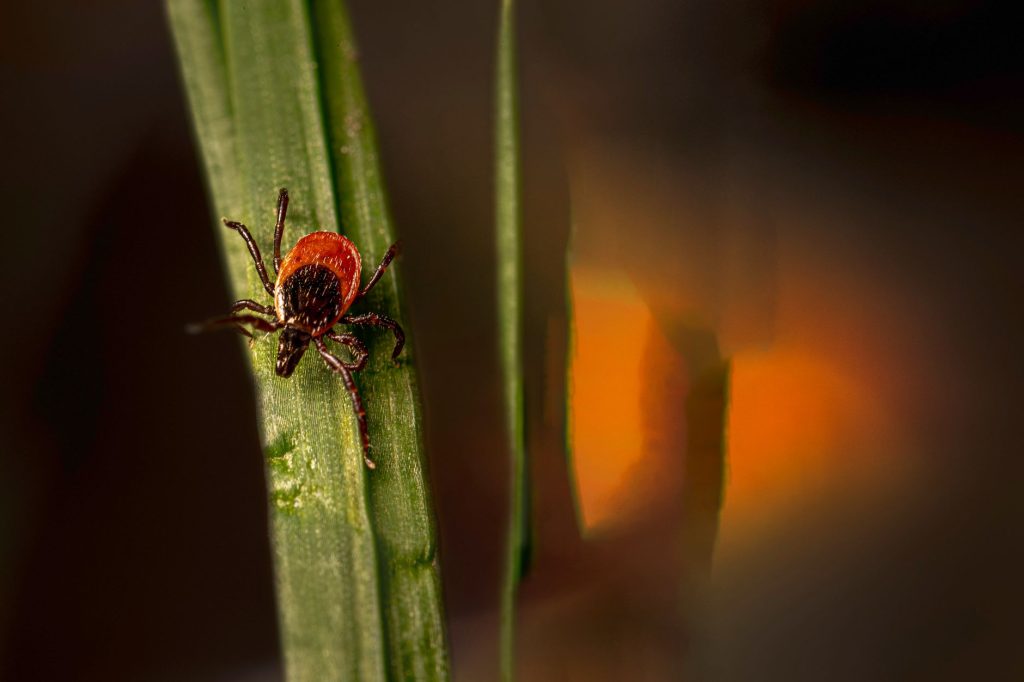
Ticks are broader and flatter from top to bottom. The brown dog tick is one species homeowners August encounter. Unlike most ticks that stay outdoors, according to Purdue Extension, the brown dog tick August sometimes become a problem indoors, primarily in association with dogs. That indoor tendency sets it apart from other common tick species.
How to Spot Flea and Tick Activity Inside Your Home
Flea activity often shows up first on pets. Look for excessive scratching, red welts with a “halo” around the bite center, or clusters of bites in groups of three to four in a straight line. Hair loss in pets can point to a larger presence. Flea bites on humans typically appear on the lower legs and ankles.
Tick activity indoors is less common but still possible. Brown dog tick larvae and nymphs can survive off a host for up to six months, and adult females can survive up to a year without feeding, as noted by the University of Georgia pest guide. That means a few ticks brought inside on a dog can persist long after the initial introduction.
Where Flea and Tick Activity Shows Up Around Homes
Inside, fleas tend to concentrate in carpets, pet sleeping areas, under beds, and along baseboards. Ticks found indoors are most often near areas where dogs rest or sleep. Because the brown dog tick can survive extended periods without a host, it may linger in cracks and crevices well after treatment begins.
Outside, both pests gather in shaded or sheltered spots across the yard. Keeping your lawn freshly cut can reduce the cover these pests use to wait for a host.
Exterior Entry Points Fleas and Ticks and Use
Pets are the primary transport method for both fleas and ticks. Dogs and cats pick up these pests in the yard, then carry them through doors and onto furniture. Fleas feed solely on blood from warm-blooded animals, so any accessible host walking through an infested area can bring them inside.
Brown dog ticks arrive almost exclusively on dogs. Once inside, they can reproduce and spread to other rooms. Checking your pets after time outdoors is one of the simplest ways to catch either pest before it becomes established in your home.
Why Flea and Tick Problems Develop
Fleas and ticks share a common driver: they follow their hosts. When pets, wildlife, or even people move between yards and living spaces, these pests come along. Understanding what draws them in and how they spread helps you recognize problems before they grow.
Outdoor Nesting Areas for Fleas and Ticks
Yards with tall grass or overgrown brush give both pests cover. Brown dog ticks are most often found in and around pet bedding areas, including outdoor kennels, dog houses, and shaded spots where pets rest. Fleas also settle in areas where animals spend time, waiting for a host to pass by.
Food and Shelter That Attract Fleas and Ticks
Both pests depend on blood meals from warm-blooded animals. Fleas feed on pets and, when no other host is present, may also bite people. Ticks like the brown dog tick rely on dogs as their principal host through all active stages: larvae, nymphs, and adults. Any home with pets creates conditions these pests can exploit.
The presence of wildlife passing through your yard can also introduce fleas and ticks. Once on your property, they settle into sheltered spots close to where hosts rest or travel.
How Fleas and Ticks Move Around Homes
Fleas are well known for their ability to jump, sometimes covering 8 to 10 inches in a single leap. That jumping ability lets them move from carpets to furniture to pet bedding quickly.
Ticks move differently. The brown dog tick can feed on dogs at every life stage, which means it may be carried from room to room on a pet. It may also be found occasionally on other animals, broadening the ways it enters your home.
Trails and Entry Points Fleas and Ticks Use
Pets remain the most common pathway indoors. Dogs and cats carry fleas and ticks through doorways and into living areas. Because brown dog ticks prefer dogs across all life stages, they concentrate around areas your pet frequents. Doorways, pet beds, and the spaces under furniture become the main trails these pests follow once inside.
Risks From Fleas and Ticks
Health Risks Linked to Fleas and Ticks
Fleas bite both pets and humans to feed, leaving behind red, itchy welts. In those allergic to flea saliva, the itching can be very intense. Secondary infections may develop from frequent scratching at bite sites. Large flea infestations on pets can lead to hair loss and anemia. Fleas are also a secondary host for tapeworms and can pass them onto people and pets.
Ticks carry serious diseases that deserve attention. According to UF/IFAS Extension, tick bites can lead to Lyme disease and Rocky Mountain Spotted Fever. Lyme disease can be localized or affect multiple body systems, making early detection important.
Early symptoms of Lyme disease can be mild and overlooked. Flu-like symptoms, chills, fever, and fatigue are often experienced. A first unique symptom is a red, expanding rash. More than one rash may appear, and they do not always occur at the site of the tick bite.
Property Damage From Fleas and Ticks
Fleas And Ticks are not structural pests. They do not chew wood, damage wiring, or weaken building materials. The real cost comes from the effort needed to address an infestation once it takes hold inside your home. Carpets, pet bedding, and upholstered furniture can all harbor fleas and their eggs, requiring thorough cleaning and treatment.
Food Areas and Flea and Tick Activity
Fleas And Ticks are blood-feeding parasites, not pantry pests. They are not drawn to stored food or kitchen surfaces. However, pet feeding stations and resting areas near kitchens can become hotspots for flea activity. Keeping pet areas clean and treating pets alongside any home treatment helps reduce activity in those zones.
When to Look Closer at Flea and Tick Activity
A tick bite usually causes a painful scab at the bite site. If you notice a red, expanding rash rather than a simple scab, that distinction matters. As Purdue Extension notes, the rash associated with Lyme disease is a unique early symptom that should prompt a visit to your doctor.
For fleas, watch for clusters of small bites on the lower legs and ankles, often with a “halo” around the bite center. Frequent scratching from pets, hair loss, or visible fleas jumping in carpet are signs that activity has moved beyond a stray hitchhiker. The sooner you identify the problem, the easier the cleanup process will be.
Professional Pest Control for Fleas and Ticks
A flea problem will not go away on its own. Tick infestations can be equally stubborn, especially indoors. Both pests require a combination of homeowner preparation and professional treatment to bring activity down. Understanding what draws them in, where to look, and what a treatment plan involves will help you get ahead of the problem.
How to Reduce Attractants for Fleas and Ticks
Fleas And Ticks both thrive where pets spend the most time. Reducing attractants starts with your pets and their surroundings. According to UF/IFAS Extension, regularly grooming your dog, washing bedding, and examining your pet are strongly recommended to prevent tick infestations.
If pet bedding is infested, it can be cleaned or destroyed. Before a flea treatment, vacuum all carpets, underneath beds, and the bottom of closets. Throw the vacuum bag away when done. Sweep and mop all hard floors. Have your pets treated the same day their bedding is cleaned.
Outside, keep your lawn freshly cut before any scheduled treatment. Tick eggs can be deposited in grassy areas, so shorter grass reduces favorable conditions around your home.
Why Flea and Tick Control Starts With Inspection
Flea infestations tend to concentrate in the areas where pets rest, sleep, and spend the most time. A ClearDefense technician begins by communicating with you to understand whether the issue is indoors, outdoors, or both. For single-family homes, pets often carry these pests inside, so both areas may need attention.
Indoors, ticks tend to stay around baseboards and walls. According to the University of Tennessee Extension, inspecting and cleaning pets and their bedding frequently is an important part of ongoing control. Your technician will do a thorough inspection of the yard for hotspots before any outdoor treatment begins.
What to Expect During Professional Flea and Tick Treatment
For outdoor flea and tick treatment, your technician applies a fogging treatment across the yard. Indoors, ClearDefense treats carpets, rugs, upholstered furniture, pet sleeping areas, and under beds (if accessible) with an aerosol. Baseboards, cracks, and crevices are treated using a B&G sprayer.
You may see more activity after the initial treatment because fleas have been aggravated. The product used is a growth regulator that prevents most eggs from hatching. Vibration from vacuuming and sweeping encourages remaining eggs to hatch, so post-treatment vacuuming plays a direct role in reducing the infestation.
After treatment, wait two to three days and then vacuum all carpets, under beds, and closet floors for at least three days in a row. Throw the bag away each time. Sweep hard floors on the same schedule. The house must be vacant until the product dries, roughly two to three hours.
What to Expect From a Flea and Tick Control Plan
Indoor flea treatments include a free two-week follow-up. At that visit, ClearDefense provides the same service to address any hatchlings that have emerged since the first treatment. Tick treatments indoors also include this two-week follow-up.
According to Kansas State University Extension, controlling brown dog tick infestations requires an integrated approach: pets should be treated by a veterinarian first, then sanitation and professional treatment follow. ClearDefense coordinates with you on timing so your pet treatment and home treatment happen in step.
A flea infestation requires action. Preventive measures produce the best results, and a recurring service plan helps maintain the progress made after that initial treatment cycle. ClearDefense documents every product used and every finding in a Defense Report, so you always know what was applied in your home.
Fleas and Ticks: Bottom Line
Fleas And Ticks are persistent pests that affect both pets and the people living alongside them. Fleas feed on blood, leave itchy welts, and can trigger allergic reactions. Ticks latch onto dogs and can carry tick-borne diseases. Addressing both pests means treating your yard and your home, grooming and treating pets regularly, and keeping up with vacuuming and cleaning between service visits. ClearDefense Pest Control provides recurring treatment plans with a free two-week follow-up, so reach out to request a quote and get started.
Frequently Asked Questions
How Do I Prepare My Home Before Treatment?
Remove items from floors, vacuum all carpets (including under beds and at the bottom of closets), then throw the vacuum bag away. Sweep and mop hard floors and have your pets treated the same day. Wash or discard infested pet bedding.
Why Am I Seeing More Activity After Treatment?
The growth regulator used during treatment prevents most eggs from hatching, but vibration from vacuuming and sweeping can encourage remaining eggs to hatch sooner. Post-treatment vacuuming over at least three consecutive days helps remove those hatchlings and speeds up the process.
Should I Treat Indoors, Outdoors, or Both?
For single-family homes, pets usually bring fleas and ticks inside, so both indoor and outdoor coverage is recommended. ClearDefense technicians inspect the yard for hotspots and apply a fogging treatment outdoors. Indoor treatment covers carpets, rugs, upholstered furniture, pet sleeping areas, baseboards, and cracks and crevices.
How Can I Help Prevent Fleas And Ticks Between Visits?
Keep your lawn freshly cut before each treatment. Regularly groom your pets, wash their bedding, and examine them for ticks after time spent outdoors. Vacuum carpets and sweep hard floors consistently. These steps, paired with recurring professional service, help reduce ongoing flea and tick activity in your home.