
Flea bites on legs can cause costly problems when early signs are missed. Learn the signs, risks, and when to call ClearDefense Pest Control.
Key Takeaways
- Flea bites on legs often appear as small red bumps with a halo around the center, and some people August experience more intense itching or allergic reactions while others barely notice them.
- Fleas feed on the blood of dogs, cats, and other animals, but they can bite humans too, especially around the lower legs and ankles.
- Scratching flea bites may lead to secondary infections, so recognizing the bites early and addressing the source matters.
- A thorough approach that includes treating both your home and your pets on the same day gives you the best chance of reducing flea activity and breaking the cycle.
How to Identify Flea Bites On Legs
Flea bites on legs tend to show up as small, red, itchy bumps with a “halo” around the bite center. They usually appear in short clusters along a line. The itching can be intense, especially for anyone allergic to flea saliva. Frequent scratching at the bite sites may lead to secondary infections.
How to Tell Flea Types Apart
Several species of fleas exist, and each feeds on blood from animals to reproduce. According to Purdue Extension, the cat flea is the most common species and is usually the one found on cats and dogs in homes. The dog flea looks and acts like the cat flea but is less common. A true human flea is uncommon but August occasionally be found on people.
Because the cat flea is the species behind most indoor bites, the marks on your ankles and lower legs almost always trace back to that single species. Knowing which flea is involved helps you understand where the problem started and what host animal carried it inside.
How to Spot Flea Activity Inside Your Home
Fleas may bite people, particularly if no other host is present. They are well known for their ability to jump, sometimes eight to ten inches, and do so when a potential host walks by. As a result, flea bites occur most often near the ankles and lower legs, as Purdue Extension notes.
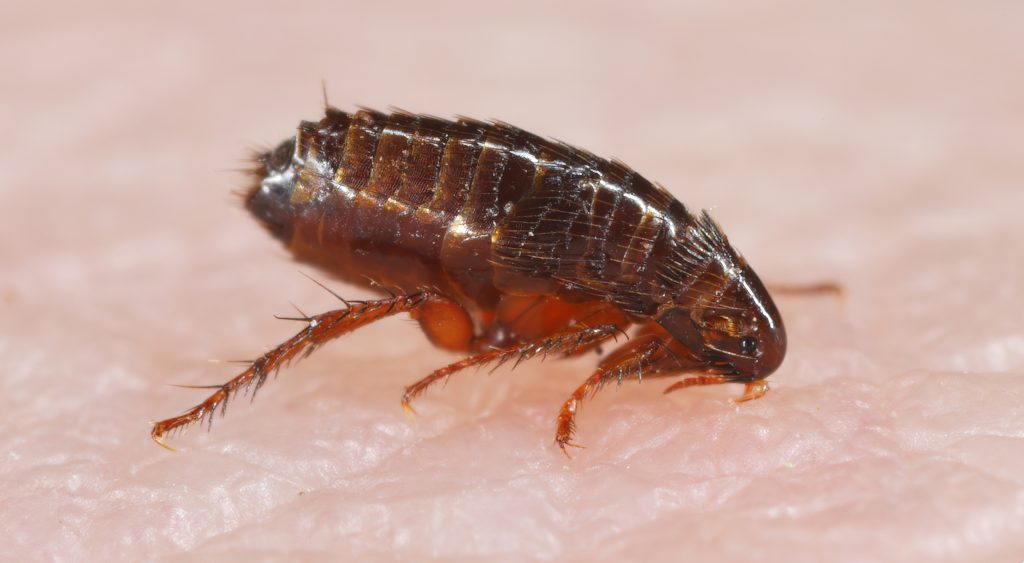
If you notice itchy red welts grouped in short lines along your calves or ankles, fleas are a likely cause. Bites from other blood-feeding pests, such as bed bugs, also cause itching and skin irritation, so confirming the pest matters. Look for tiny, reddish-brown, wingless insects on your pets or in carpet fibers for confirmation.
Where Flea Activity Shows Up Around Homes
Inside, flea activity concentrates in carpets, rugs, pet sleeping areas, and under beds. These are the spots where eggs and larvae develop before adults emerge and jump onto a passing host. You May notice bites after walking through a carpeted room or sitting on upholstered furniture where pets rest.
Vacuuming these areas regularly is one of the first steps in reducing a flea problem. After vacuuming, throw the bag away to remove any collected eggs or larvae.
Exterior Entry Points Fleas Use
Fleas typically enter your home on pets that spend time outdoors. A freshly cut lawn reduces shelter for fleas in the yard, making the exterior less inviting. Yard hotspots, such as shaded areas where pets rest, are common pickup points before fleas hitch a ride inside.
Having your pets treated on the same day as any indoor treatment helps break the cycle. Without addressing both indoor and outdoor sources, newly emerged adult fleas can continue jumping onto hosts and leaving bites on your ankles and lower legs.
Why Flea Problems Develop
Flea bites on legs rarely start with people. They start with pets. Fleas are generally pests of animals, and dogs and cats serve as their primary hosts in homes. Once fleas establish themselves on a pet, the surrounding living space becomes part of the problem.
Outdoor Nesting Areas for Fleas
Adult fleas prefer to feed on dogs, cats, opossums, foxes, and sometimes rats and other urban animals. Any spot where these animals rest or travel can become a flea hotspot in your yard. When your dog or cat picks up fleas outside, those fleas ride indoors on fur and begin feeding right away.
Food and Shelter That Attract Fleas
Fleas survive on one thing: blood. According to the University of Minnesota Extension, fleas can bite people, but females require a blood meal from a non-human host to produce eggs. That means your pet is the key resource fleas need to reproduce. Without a dog or cat in the home, flea populations have a harder time sustaining themselves.
How Fleas Move Around Homes
Fleas are small, wingless insects with legs adapted for jumping. Their laterally compressed bodies let them move through pet fur with ease. As pets walk through your home, fleas and flea eggs drop onto carpets, rugs, and pet sleeping areas. When pets are not available, humans are attacked, particularly on the lower legs and ankles closest to the floor.
Trails and Entry Points Fleas Use
Fleas do not fly. They jump from surfaces where they have been waiting. Anywhere your pet rests or walks becomes a potential launch point. Carpeted rooms, areas under beds, and upholstered furniture can all harbor fleas at different life stages. Pets carry fleas in, fleas spread to resting areas, and people walking through those spaces pick up bites on their legs.
Risks From Flea Bites On Legs
Flea bites on legs are more than a nuisance. The cat flea will bite dogs, cats, and humans alike, potentially spreading flea-borne diseases. According to UC IPM, this flea attacks both dogs and cats and also bites people. Understanding the full range of risks helps you respond before a few bites turn into a broader concern.
Health Risks Linked to Flea Bites
Bite reactions vary from person to person. Some people develop red, itchy welts, while others with flea saliva allergies experience intense itching and discomfort. Scratching those bites can open the skin and lead to secondary infections. According to the EPA, those infections may include impetigo, ecthyma, and lymphangitis.
The cat flea can also transmit murine typhus to humans and the bacterium that causes cat scratch disease between cats. It can pass a common tapeworm to dogs and cats as well. Historically, fleas transmitted the bacteria responsible for bubonic plague, though as Purdue Extension notes, that disease has largely been eradicated in the developed world.
Large flea infestations on pets can lead to hair loss and the development of anemia. Pets may also develop allergic dermatitis from repeated bites, compounding their discomfort alongside yours.
Property Damage From Fleas
Fleas themselves do not chew through wood, fabric, or building materials. The real property impact is indirect. Flea infestations embed in carpets, rugs, upholstered furniture, and pet sleeping areas. Addressing them requires thorough vacuuming, cleaning, and coordinated treatment of both indoor spaces and pets on the same day.
Food Areas and Flea Bites On Leg Activity
Fleas are blood-feeding parasites, not scavengers drawn to stored food. However, pets that rest near kitchens or dining areas can introduce fleas into those spaces. Once present, fleas may bite anyone nearby, including your legs, while you stand at a counter or sit at a table.
When to Look Closer at Flea Bites On Leg Activity
If you notice clusters of small, itchy red bumps on your lower legs, especially grouped in short lines near the ankles, fleas are a likely cause. Both people and pets in the home should be checked. A few bites can signal a growing population hidden in carpet fibers and pet bedding.
Persistent scratching, especially in children or pets, raises the risk of secondary skin infections. Monitoring bite frequency and noting where bites appear most often helps pinpoint the areas that need attention first.
Professional Pest Control for Fleas
Several blood-feeding insects and mites normally infest animal hosts but August disperse and bite humans when conditions change. Addressing the source of an infestation, rather than just the bites, is the most reliable path to fewer bites on your legs and throughout your home.
How to Reduce Attractants for Fleas
Biting pests often follow their animal hosts indoors. According to Texas A&M AgriLife Extension, bird and rodent mites normally infest their animal hosts but occasionally disperse and bite humans, and they cannot survive without those natural hosts. Removing or excluding wildlife from attics, crawl spaces, and eaves reduces the chance that secondary pests will move onto you.
Have pets treated for fleas on the same day your home is serviced. Clean pet bedding thoroughly. Vacuum all carpets, underneath beds, and the bottoms of closets, then throw the vacuum bag away immediately. Sweep and mop all hard floors as well. These steps remove eggs and larvae before they can develop.
Outside, keep the lawn freshly cut. Shorter grass reduces shelter for fleas and other biting pests that might hitch a ride indoors on pets or shoes.
Why Flea Control Starts With Inspection
Bite marks alone do not confirm which pest is responsible. Bites from different insects can look alike. Small welts that itch and sometimes swell August point to more than one species. A proper inspection identifies the actual pest so the right approach is used from the start.
ClearDefense technicians inspect both indoors and outdoors. They check carpets, rugs, upholstered furniture, pet sleeping areas, and under beds. Outside, they look for hotspots in the yard. This thorough inspection helps determine whether the infestation is indoors, outdoors, or both.
What to Expect During Professional Flea Treatment
ClearDefense first confirms whether you need indoor coverage, exterior coverage, or both. For single-family homes where pets have brought fleas inside, both are usually recommended.
Outdoors, a technician fog-treats the yard after identifying hotspots. Indoors, carpets, rugs, upholstered furniture, pet sleeping areas, and accessible areas under beds are treated with an aerosol. Baseboards, cracks, and crevices are treated with a B&G sprayer. The home must remain vacant until the product dries, roughly two to three hours.
You May notice more activity right after the initial visit. The product includes a growth regulator that prevents most eggs from hatching. Post-visit vacuuming encourages any remaining eggs to hatch and contact the product.
What to Expect From a Flea Control Plan
Indoor flea services include a free two-week follow-up. At that visit, the same service is repeated to address any hatchlings that emerged after the first round. This follow-up step targets the pest life cycle rather than just the adults you can see.
After the initial visit, vacuum all carpets and under beds for at least three days in a row, discarding the bag each time. Sweep hard floors for at least three consecutive days as well. This post-visit routine assists in clearing the infestation more quickly.
ClearDefense provides a documented Defense Report with every service, showing every product used and every finding. Because recurring pest control is the foundation of their approach, your plan can be adjusted over time to match what the inspections reveal in and around your home.
Flea Bites On Legs: Bottom Line
Flea bites on legs are itchy, irritating, and worth addressing quickly. Because fleas feed on blood from warm-blooded animals, both your pets and your family can be affected. Identifying the bites, keeping up with vacuuming, and treating pets on the same day as your home are all part of getting the situation under control. If you are dealing with flea bites on legs and want professional help, reach out to ClearDefense Pest Control to request a quote for recurring service.
Frequently Asked Questions
Why Do Fleas Bite Legs More Than Other Areas?
Fleas jump from floors, carpets, and pet bedding toward the nearest warm-blooded host. Their strong hind legs can propel them several inches off the ground. Because of that jump height, the lower legs and ankles are the first body parts they reach.
How Can I Tell These Bites Apart From Other Insect Bites?
Some people may have allergic reactions that cause more intense itching. Confirming the source usually means finding fleas on a pet or in the home.
What Should I Do to Prepare My Home for Treatment?
Before treatment, mow the lawn, remove items from floors, and vacuum all carpets, under beds, and closet floors. Throw the vacuum bag away afterward. Sweep and mop hard floors. Have pets treated the same day and wash their bedding. The home must be vacant until the product dries, which takes roughly two to three hours.
Will I Still See Fleas After Treatment?
You May notice more activity right after treatment because the fleas have been disturbed. The growth regulator in the product limits egg development, and post-treatment vacuuming for at least three consecutive days helps remaining eggs hatch and contact the product. A free two-week follow-up is included with indoor treatments to address any hatchlings.