
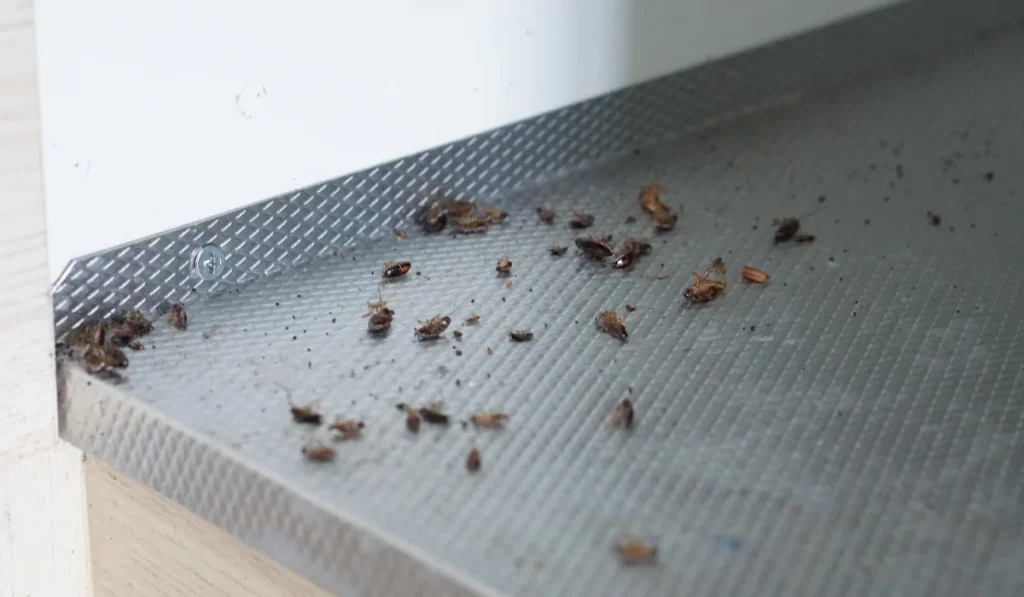
When early indicators are overlooked, baby roaches in the kitchen can lead to expensive issues. Discover how to identify the signs and risks, and find out when it is time to contact ClearDefense Pest Control.
Key Takeaways About Kitchen Baby Roaches
- Small, wingless roaches in your kitchen are nymphs, an earlier stage in the cockroach life cycle that points to a nearby breeding population.
- Cockroaches move through egg, nymph, and adult stages. Seeing nymphs often means adults and egg cases are already present in hidden spots around your home.
- Reducing moisture, sealing entry points, and keeping food areas clean can help limit conditions that support roach activity.
- A recurring pest control plan focused on prevention can address roach activity at every life stage rather than reacting to occasional sightings.
How to Identify Kitchen Baby Roaches
Finding baby roaches in your kitchen usually means a breeding population is already nearby. Knowing what these nymphs look like, where they show up, and how they differ from other species helps you understand the scope of the problem before it grows.
How to Tell Baby Roach Types Apart in Kitchen
The most common baby roaches found in kitchens are German cockroach nymphs. German cockroach nymphs are dark brown to nearly black when very young and lighten as they grow. They develop wing pads and two dark stripes that extend down the entire thorax and abdomen. As they grow, they develop wing pads and two dark stripes that extend down the entire thorax and abdomen. According to Kansas State University Extension, Remove the molt-count claim or replace it with a supported general statement such as: ‘Nymphs pass through several molts before reaching adulthood..
German cockroach adults are 1/2 to 5/8 inch long, light brown, and carry two dark stripes on the pronotum. Both males and females have wings that reach the end of the abdomen, but they do not fly. If you see small roaches that look similar but can fly, you August be dealing with a different species. Asian cockroach adults, for example, have longer and narrower wings than German cockroaches.
How to Spot Baby Roach Activity Inside Your Kitchen Home
A single egg case (ootheca) from a German cockroach can produce 30 to 40 small nymphs. That means even one or two egg cases can lead to a noticeable jump in activity. Because nymphs are small and move quickly, you August notice them only when you open a cabinet or turn on a light at night.
Egg cases themselves are a strong indicator of an active population. They are dark reddish brown, about 3/8 inch long, and typically glued to a protected surface. Females deposit these cases within 24 hours after eggs are formed, so finding even one means recent breeding activity.
Where Baby Roach Activity Shows Up Around Kitchen Homes
Look for baby roaches in your kitchen near areas that offer warmth and limited disturbance. Egg cases are often glued to surfaces in tight, protected spots: the undersides of counters, behind appliances, and inside cabinet joints. These locations give nymphs quick access to food and water once they hatch.
Because a single German cockroach egg case can produce 30 to 40 nymphs, populations can grow steadily. Repeated sightings near the same area often point to a nearby egg case or group of cases.
Exterior Entry Points Baby Roaches Use Around Kitchen Homes
German cockroach nymphs are typically carried indoors rather than migrating from outside on their own. Grocery bags, cardboard boxes, and secondhand items are common pathways. Once inside, nymphs settle close to food and moisture sources, which is why the kitchen is usually the first room where you notice them.
Inspecting items before bringing them into your home can reduce the chance of introducing baby roaches in your kitchen. Pay attention to packaging seams and corrugated surfaces where egg cases August be attached.
Why Baby Roach Problems Develop in Kitchen
Finding baby roaches in your kitchen usually points to conditions that have been building for a while. Understanding what draws them in, where they hide, and how they reach your countertops can help you address the root cause rather than just the symptom.
Outdoor Nesting Areas for Baby Roaches Around Kitchen Homes
Roaches spend daylight hours tucked into warm, dark, moist spots close to your home. According to UC IPM, common daytime hiding areas include cracks, water meter boxes, sewers, and crawl spaces. These sheltered zones sit just steps from your kitchen walls, giving roaches a short path indoors once night falls.
Crawl spaces beneath the home deserve attention. They hold the moisture and darkness roaches prefer, and they often connect to kitchen plumbing runs. Water meter boxes near the foundation offer another staging area where roaches can gather unnoticed.
Food and Shelter That Attract Baby Roaches Around Kitchen Homes
Baby roaches hatch near a food source so they can begin feeding right away. Nymphs feed on molds, mildews, and other fungi, and they thrive in warm, humid conditions that favor the growth of those food sources. Kitchens with any persistent moisture can support exactly the environment nymphs need.
Some species broaden the menu. Brown-banded cockroaches, for example, prefer starchy foods and can do well in drier areas of the kitchen compared to other species. That means food residue on shelves or in cabinets can sustain a population even away from the sink.
How Baby Roaches Move Around Kitchen Homes
Nymphs look like smaller versions of the adults that produced them. They stay close to where they hatched, feeding and growing through several molts. Because eggs are laid in clusters near a food source, a single egg deposit can release a group of nymphs into one concentrated area of your kitchen.
Warm, humid kitchens encourage faster development. When conditions are right, nymphs remain active and continue feeding on the fungi and molds growing in damp spots behind appliances or under sinks.
Trails and Entry Points Baby Roaches Use in Kitchen
Roaches follow cracks and gaps that connect outdoor hiding spots to indoor food sources. Sewer lines, wall voids around plumbing, and small foundation cracks all serve as travel routes. These openings are often just wide enough for a nymph to slip through undetected.
Because roaches hide in warm, dark, moist areas during the day, you August not spot them until the population has grown. Recurring monitoring helps catch activity early, before nymphs mature and the cycle continues.
Risks From Kitchen Baby Roaches
Spotting baby roaches in your kitchen is more than a nuisance. Nymphs are a sign that a breeding population has settled nearby, and the risks go beyond the pests themselves. Understanding what those tiny roaches mean for your home helps you decide how quickly to act.
Health Risks Linked to Kitchen Baby Roaches
Cockroach nymphs move through the same areas as adults, crossing countertops, sinks, and food prep surfaces. Because they develop through incomplete metamorphosis, nymphs shed their skins five to six times before reaching adulthood. Those shed skins accumulate in cabinets, behind appliances, and along baseboards where airborne particles can circulate through your kitchen.
A single egg capsule can contain 30 to 48 eggs, according to Purdue Extension. That means even one unnoticed capsule August release dozens of nymphs into your kitchen at once, multiplying the amount of debris they leave behind as they grow.
Property Damage From Baby Roaches in Kitchen
While roach nymphs are small, their presence signals a larger population nearby. Empty egg cases August remain in place long after nymphs have emerged, collecting in wall voids, drawer tracks, and behind appliances. Over time, these casings and shed skins build up in hard-to-reach spots, creating persistent messes that are difficult to clean without pulling apart cabinetry or fixtures.
Food Areas and Baby Roach Activity in Kitchen Homes
The kitchen is a high-risk zone because it offers the warmth and moisture these pests need at every life stage. According to Kansas State University Extension, a female cockroach carries 12 to 40 eggs in an ootheca attached to the tip of her abdomen. She can deposit that casing near a food source, giving nymphs immediate access to what they need once they hatch.
Nymphs look similar to adults but are smaller, and they grow a little with each molt. Their size lets them fit into crevices that adults cannot, reaching deep into pantry shelves and appliance gaps where food debris collects.
When to Look Closer at Baby Roach Activity in Kitchen
Identifying the species matters. Control approaches differ depending on which cockroach has moved in. In suburban neighborhoods with mature hardwood trees, the smokybrown cockroach is a common species that can find its way indoors. Taking a specimen to your local extension office for proper identification helps guide the right approach.
If you are finding nymphs regularly rather than just a stray adult, the breeding site is likely close. Look for egg capsules along protected surfaces, behind appliances, or underneath countertop overhangs. Finding those casings confirms that the pests are reproducing inside your home rather than wandering in from outside.
Professional Pest Control for Baby Roaches in Kitchen
Spotting baby roaches in your kitchen usually points to a larger cockroach infestation nearby. Spotting baby roaches in your kitchen usually points to a cockroach infestation nearby. Nymphs need food, water, and shelter to develop, so their presence suggests conditions are supporting a breeding population. A prevention-first approach, combined with professional inspection and treatment, can help you get ahead of the problem.
How to Reduce Attractants for Baby Roaches in Kitchen
Prevention starts with removing the things cockroaches need to survive. According to Purdue Extension, you can prevent cockroach infestations by removing their food, water, and hiding places. In the kitchen, that means wiping down counters, fixing dripping faucets, and keeping stored food in sealed containers.
Clutter creates hiding places that let a roach infestation grow unnoticed. Reducing unnecessary items under the sink, behind appliances, and inside cabinets takes away the cover cockroaches rely on. Fewer hiding spots mean fewer places for nymphs to develop.
Seal holes or crevices around walls or doors. Cockroaches can travel from neighboring rooms to your home through holes and cracks, as Purdue Extension notes. Closing off these entry points is a straightforward step that limits how new roaches reach your kitchen.
Why Baby Roach Control in Kitchen Starts With Inspection
A thorough inspection identifies where the cockroach infestation is concentrated. Service professionals look for signs of activity and pinpoint the cracks and crevices cockroaches use to move through your kitchen. Without knowing the scope of the problem, any treatment August miss the core of the infestation.
ClearDefense provides a documented Defense Report after every visit. This report outlines every product used and every finding, so you know exactly what was discovered and what steps were taken. That level of documentation gives you a clear picture of your kitchen’s condition.
What to Expect During Professional Baby Roach Treatment in Kitchen
Bait products are the primary treatment used to address cockroach infestations, according to UC IPM. Professionals place baits in targeted locations near activity zones rather than applying broad treatments throughout the home. This approach focuses on where nymphs and adults are actually feeding.
ClearDefense uses a prevention-first IPM methodology. That means treatment is paired with the habitat changes covered above: removing food sources, sealing entry points, and reducing hiding places. Addressing those conditions supports longer-lasting results from the bait placements.
What to Expect From a Kitchen Baby Roach Control Plan
ClearDefense offers recurring pest control rather than one-time visits. A cockroach infestation in the kitchen often requires ongoing monitoring because new nymphs can continue to appear as eggs hatch over time. Recurring service keeps the pressure on an active population.
Each follow-up visit includes another Defense Report, so you can track progress. Your service professional will re-inspect entry points, check bait placements, and note any changes in activity. This consistent cycle of inspection, treatment, and documentation helps you stay informed about conditions in your home.
Removing food, water, and hiding places remains important between visits. Your own upkeep works alongside the professional plan to reduce the conditions that support a roach infestation. When both sides stay consistent, the kitchen becomes a much less appealing environment for cockroaches.
Bottom Line on Baby Roaches in Kitchen
Baby roaches in your kitchen point to an active population nearby. These small nymphs stay close to food and moisture, and spotting even a few suggests more are hiding in cracks and other sheltered spaces during the day. Sealing entry points, reducing moisture, and keeping surfaces clean all help limit what draws them in. Because roach populations can grow quickly, a recurring pest control plan is the most practical way to stay ahead of the problem.
Reach out to ClearDefense Pest Control to request a quote and get started with a Defense Report for your home.
Frequently Asked Questions About Baby Roaches in Kitchen
Why Am I Only Seeing Small Roaches and Not Adults?
Nymphs tend to stay close to their food source after hatching. They are smaller and harder to spot, so you August notice them before you ever see a full-grown adult. Their presence usually means a breeding population is established nearby, likely in a warm, dark gap or crevice close to your kitchen.
Does Seeing One Nymph Mean There Are More?
In most cases, yes. Roach egg capsules can contain dozens of eggs, so a single sighting often points to a larger group hidden out of view. They tend to stay tucked away during the day and come out when conditions are quiet.
Can I Handle This Without Professional Help?
Basic prevention steps like sealing holes or crevices around walls and doors can help reduce entry points. Keeping your kitchen dry and free of food debris also removes what attracts them. However, recurring professional service provides consistent monitoring and targeted treatment that one-time efforts typically cannot match.
How Does ClearDefense Approach Roach Activity?
ClearDefense uses a prevention-first IPM methodology with recurring service visits. Every visit includes a documented Defense Report that outlines what was found and what products were applied. This ongoing approach helps address current activity and reduces conditions that support future populations.