
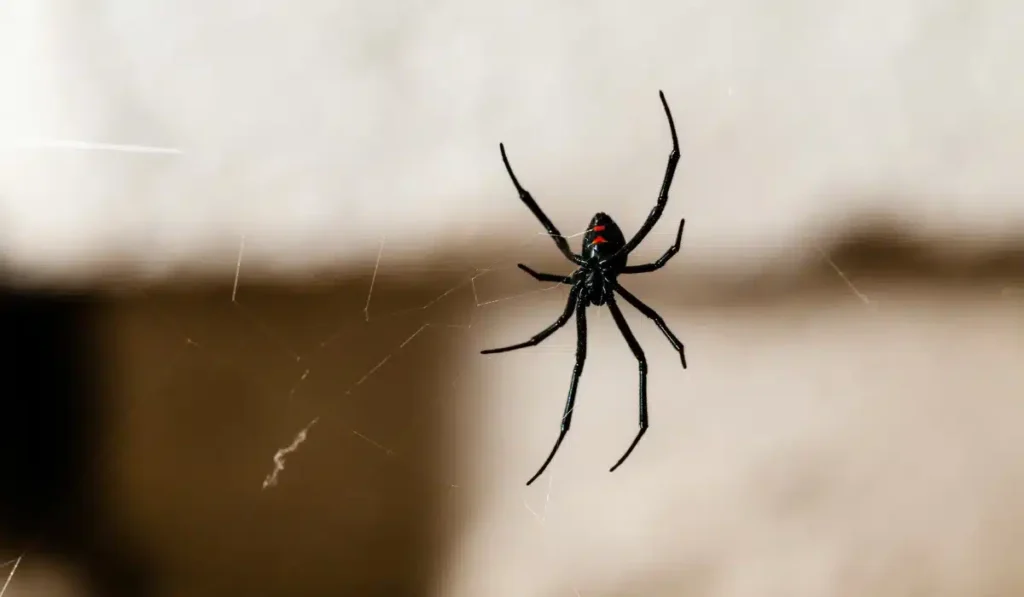
Seeing a spider in your home once in a while is common in Raleigh. That does not always mean you have a serious problem. But if you keep seeing spiders in different rooms, it may be more than a random sighting.
A spider infestation can build over time. You may first notice spider webs in corners, along baseboards, or near window sills. Later, you may start seeing egg sacs, more spider activity, or spiders in places like attics, basements, and garages.
Knowing the signs of a spider infestation can help you act early. The sooner you deal with the problem, the easier it is to keep your home clean, safe, and pest-free.
Key Takeaways
- Frequent spider sightings can point to a spider infestation
- Spider egg sacs can lead to many more spiders indoors
- Attics, basements, garages, and crawl spaces are common hiding spots
- Extra insects, moisture, and clutter can make a spider problem worse
- Professional pest control can help stop a larger infestation
Signs Spiders Are Actively Settling In
These are the most common signs to watch for.
Frequent Spider Sightings
If you see spiders often, that is one of the clearest signs of a spider infestation. One spider may not mean much, but seeing them again and again is different.
Homeowners in Raleigh may notice house spiders in corners, wolf spiders in garages, or spiders moving along baseboards at night. When spiders show up often, the spider population may be growing.
Spider Webs and Cobwebs
Spider webs are easy to spot, especially in quiet parts of the home. A cobweb in one corner may not seem like a big deal, but webs that keep coming back can mean active spider activity.
Look in corners, behind furniture, around window sills, and near storage boxes. Fresh webs usually mean spiders are still nearby.
Egg Sacs
Egg sacs are another warning sign. These small, round sacs may be tucked into spider webs, attached to walls, or hidden in dark spaces.
A single spider egg or several spider egg sacs can quickly turn into many spiderlings. That is why egg sacs are often a sign of a larger infestation.
Spider Bites
Spider bites are not common, but they do happen. Most are minor, but some spider species, such as the black widow and brown recluse, can be more serious.
If a bite causes pain or swelling, get medical attention. Spider bites inside the home may also indicate a nearby spider infestation.
Where Spider Activity Builds Indoors
Spiders like quiet places with little foot traffic.
Attics and Basements
Attics and basements are common problem areas. These spaces are dark, still, and often full of storage.
They also give spiders plenty of hiding spots. If you do not check these rooms often, a spider infestation can build up without much notice.
Garages and Crawl Spaces
Garages and crawl spaces are also common spider zones. These areas often have boxes, tools, and other items that create cover.
Spiders may settle in these secluded areas because they feel safe and undisturbed.
Window Sills and Baseboards
Windowsills and baseboards are common spots where spiders often build webs. These areas also sit close to entry points, which makes it easier for spiders to get inside.
If you keep finding webs in the same places, it may be time to look for gaps and cracks around the home.
Damp Areas
Spiders are often drawn to damp areas because other bugs gather there, too. Bathrooms, laundry rooms, basements, and moist environments can all support spider activity.
If your home has poor airflow or leaks, that can make the spider problem worse.
What Makes an Infestation More Likely
Some home conditions make it easier for spiders to move in.
Easy Access Through Entry Points
Small gaps around doors, windows, vents, and utility lines can let spiders inside. These entry points are often easy to miss.
Using caulk to seal cracks and gaps can help lower the chance of a spider infestation.
A Steady Food Source
Spiders stay where food is easy to find. If your home has ants, flies, or other bugs, that gives spiders a steady food source.
That is one reason pest control and spider control often go hand in hand. Fewer insects usually mean fewer spiders.
Clutter and Hiding Spots
Boxes, stored items, and messy rooms give spiders more hiding spots. Cluttered attics, basements, garages, and closets are common trouble areas.
Vacuuming often and keeping storage neat can help reduce places where spiders settle.
Moisture Problems
Leaks, damp air, and poor ventilation can all attract insects and spiders. Moist environments make it easier for both pests to live indoors.
Fixing moisture issues is an important part of long-term spider control.
When to Schedule a Spider Inspection in Raleigh
If you keep seeing spiders, webs, or egg sacs, it may be time to schedule an inspection. This is especially true if diy steps, repellents, and vacuuming have not solved the problem.
A trained exterminator can find the source of the spider problem and check for other pests that may be feeding the spider population. ClearDefense Pest Control offers pest control services for common pests covered in its general pest control plan, including spiders, ants, silverfish, earwigs, and wasps.
If spider activity keeps coming back, call a professional pest control company to help you get ahead of the problem and keep your Raleigh home spider-free.
FAQs
What are the main signs of a spider infestation?
The main signs of a spider infestation include frequent sightings of spiders, spider webs, cobweb buildup, and egg sacs in dark or quiet parts of the home.
Where do spiders usually hide indoors?
Spiders often hide in attics, basements, garages, crawl spaces, behind storage, along baseboards, and near window sills.
When should I call an exterminator for spiders?
You should call an exterminator if you keep seeing spiders, find spider egg sacs, or feel like the problem is getting worse, even after diy cleaning and sealing steps.