
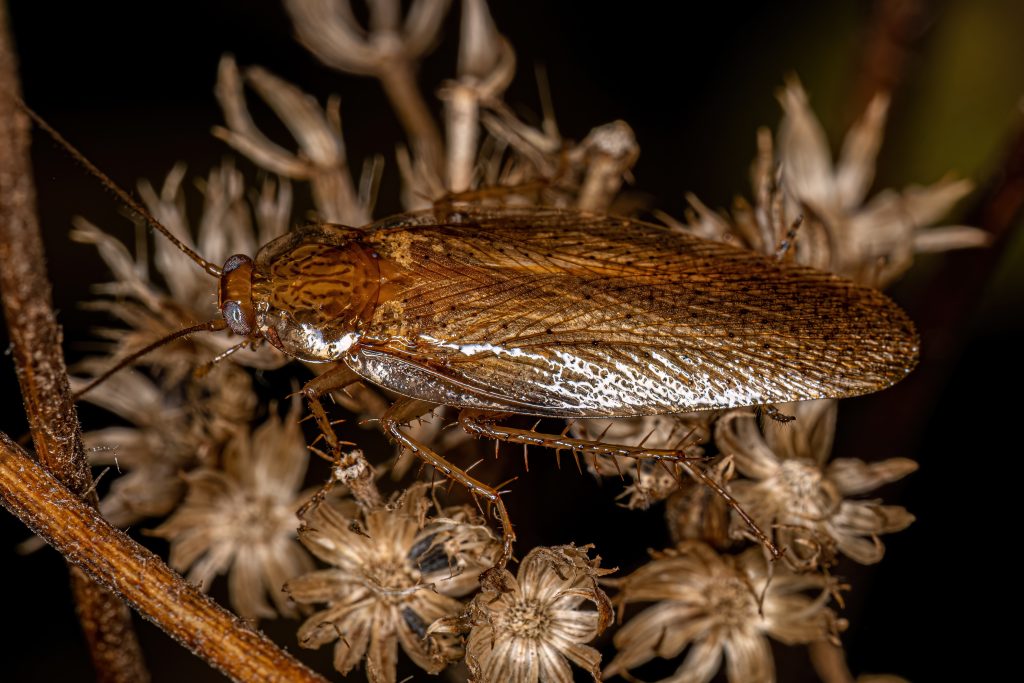
A brown roach near the garage, fireplace, or patio door can look like the first sign of an infestation. The location may point to something less serious. When the insect appears close to an exterior opening or a stack of firewood, it may be a wood roach that wandered in from the yard.
A wood roach normally lives outdoors in damp leaf litter, loose bark, wet mulch, and decaying wood. It does not behave like a German cockroach, which can reproduce inside kitchens, bathrooms, and other warm areas near food and water. That difference changes how the problem should be handled.
One wood roach in the house usually calls for removal, exclusion, and a check of nearby outdoor conditions. Small roaches in cabinets, egg cases, or repeated activity around appliances suggest a different cockroach species. This guide explains what wood roaches look like, what attracts wood roaches, how to prevent indoor sightings, and when professional wood roach control makes sense.
What Is a Wood Roach?
A wood roach is an outdoor cockroach that depends on moisture and decomposing plant material. These insects spend much of their time beneath bark, inside leaf litter, under fallen logs, or in shaded areas where the soil remains damp.
Wood roaches help break down dead vegetation outdoors. They become nuisance pests only when they move close to a structure or cross into a living space. Their entry is usually accidental. A roach may follow the foundation, shelter beneath a door threshold, or stay hidden in a piece of firewood carried indoors.
Homes with mature trees, heavy landscaping, or wooded property lines can offer suitable habitat close to the foundation. That is common in neighborhoods where shade, mulch, seasonal rain, and tree cover often meet within a few feet of the house.
Common Wood Roach Habitat
| Outdoor Site | What It Provides |
| Leaf litter under shrubs | Moisture, cover, and decaying plant material |
| Rotting logs or tree stumps | Soft organic matter and narrow crevices |
| Firewood piles | Bark, shade, and protected hiding spaces |
| Wet mulch | Moisture close to the soil surface |
| Clogged gutters | Damp leaves and decomposing debris |
| Loose bark or siding | Shelter from light and dry air |
| Shaded foundation beds | Humid conditions near possible entry points |
This habitat table also works as an inspection guide. If a roach appears near a basement window, check the landscaping directly outside. If it shows up beside the fireplace, the wood pile deserves attention before the rest of the room.
What Does a Wood Roach Look Like?
A wood cockroach has a flat, oval body, long antennae, and visibly spined legs. Its color may range from light reddish-brown to dark brown. Some have a pale border around the shield behind the head, although the markings vary enough that color alone cannot confirm the species.
The Virginia Tech Extension wood cockroach guide places most adults between 19 and 26 millimeters long, which is about three-quarters of an inch to one inch. Adult male wood roaches have wings covering the abdomen and can fly. Females have short wings or small wing pads and remain on the ground.
A flying cockroach near a porch light may therefore be an adult male wood roach. That is a useful clue, but the setting matters. A large adult near an exterior door after dark fits wood roach behavior more closely than several small roaches hiding beneath a refrigerator.
Wood Roach Versus German Cockroach
Wood roach identification becomes more reliable when appearance and behavior are considered together. German cockroaches are smaller indoor pests that remain near heat, food, water, and protected cracks. Wood cockroaches depend on outdoor moisture and decaying organic matter.
| Identification Clue | Wood Roach | German Cockroach |
| Usual habitat | Damp outdoor organic material | Heated indoor spaces |
| Common indoor location | Garages, doors, fireplaces, and windows | Kitchens, bathrooms, cabinets, and appliances |
| Adult size | Commonly 0.75 to 1 inch | Commonly about 0.5 to 0.625 inch |
| Markings | Brown body with possible pale edging | Two dark stripes behind the head |
| Flight | Adult males can fly | Flight is uncommon |
| Indoor reproduction | Does not normally breed indoors | Can maintain indoor populations |
| Typical pattern | One or a few accidental visitors | Repeated activity with several life stages |
Do not rely on size alone. Young roaches are smaller than adults, and poor lighting can make markings difficult to see. The room, time of day, number of insects, and presence of nymphs often provide better evidence than color.
Why Is There a Wood Roach in the House?
A wood roach in the house did not necessarily enter because it found food. In most cases, it was already living near the structure and found an opening. Gaps beneath garage doors, torn screens, loose trim, foundation cracks, and spaces around utility lines are common routes.
Firewood creates a second pathway. Wood roaches hide beneath bark and between logs, where they are easy to miss. Once the wood warms indoors, an insect may leave its hiding place and travel across the floor. Keeping several days of firewood beside the fireplace increases that opportunity.
Exterior lighting can bring adult males close to doors and windows. Bright fixtures draw flying insects toward the structure, especially during warm weather. Virginia Tech recommends yellow lights when outdoor lighting is needed because they are less attractive to nocturnal insects.
What Attracts Wood Roaches Near Homes?
Wood roaches are attracted to outdoor conditions that provide moisture, shelter, and decaying organic matter. A dripping hose bib, blocked gutter, low area that holds rainwater, or sprinkler aimed at the foundation can keep leaves and mulch wet long after the rest of the yard dries.
Rainy periods may also shift wood roach activity closer to the house. Saturated leaf litter and disturbed bark can push insects toward new hiding places. In humid markets, moisture management may deserve year-round attention. In some areas, seasonal activity may become more noticeable during warm, wet stretches.
Are Wood Roaches Dangerous or Destructive?
A confirmed wood roach is mainly a nuisance indoors. It does not damage sound framing, flooring, cabinets, or trim. The word “wood” refers to its habitat, not to structural feeding.
Wood roaches live around dead and decaying plant material. They are not termites, and they do not bore into lumber like wood-damaging beetles. Their outdoor feeding helps break down leaves, bark, and other organic debris.
The University of Minnesota Extension insect guide states that wood cockroaches do not infest food, clothing, or household property. It also notes that they do not persist or reproduce indoors.
The main risk is incorrect identification. Indoor cockroach species can contaminate food-contact areas and leave allergen-containing debris behind. Repeated kitchen or bathroom sightings should not be dismissed as harmless wood roaches without checking the insect and the activity pattern.
Can Wood Roaches Infest a Home?
Wood roaches do not normally establish a breeding population indoors. A typical home lacks the damp organic habitat they need. Indoor air is also much drier than the protected spaces beneath bark, logs, and leaf litter.
An accidental invader may hide beneath furniture or move along a wall for a short time. Without suitable moisture and shelter, it often dries out and dies. Several sightings can still occur if more than one insect enters through the same door, rides in with firewood, or gathers near the same exterior light.
The Penn State Extension wood cockroach overview also describes these insects as beneficial decomposers that occasionally enter homes and become nuisance pests. The number of roaches matters, but location and life stage matter more.
What the Sighting Pattern Means
| What You Find | Likely Explanation | Best Next Step |
| One adult beside an exterior door | Accidental entry | Remove it and inspect the door seal |
| One roach near stored firewood | It arrived with the logs | Move the wood outside and inspect each piece |
| Flying adults near porch lights | Seasonal male activity | Change the light and inspect the adjacent entrance |
| Several adults after moving leaves or logs | Outdoor habitat was disturbed | Clear debris and monitor nearby openings |
| Small roaches inside kitchen cabinets | Possible indoor species | Arrange professional identification |
| Egg cases, droppings, or shed skins | Possible breeding activity | Schedule an inspection |
| Roaches in several sizes | More than accidental adult entry | Confirm the species promptly |
| Continued sightings after repairs | A source or gap remains | Inspect the exterior habitat in detail |
This approach prevents two common mistakes. One is treating a harmless outdoor visitor as a major infestation. The other is overlooking a true indoor cockroach problem because the first insect appeared near a door.
How to Get Rid of Wood Roaches
For one or two insects, a vacuum is usually enough. Empty the canister or bag into an outdoor trash container afterward. A cup and a stiff piece of paper can also remove the roach without spreading residue across flooring.
Once the insect is gone, inspect the part of the house where it appeared. A sighting beside a basement window calls for a screen and frame check. One near the fireplace points to firewood. A roach at the garage threshold suggests a worn bottom seal or an opening in the corner.
Sticky traps can clarify a pattern that is difficult to read. Place them flush against walls near exterior doors, beneath sinks, and behind appliances. Note which traps catch insects and whether the roaches are adults or smaller nymphs.
Broad indoor treatment is rarely a complete answer for wood roaches. It does not remove wet leaves, improve drainage, move firewood, or close the opening that allowed the insect inside. Wood roach control works better when the outdoor source and entry route are handled together.
Wood Roach Prevention Around the Home
Wood roach prevention begins with firewood and plant debris. Stack logs off the soil and away from exterior walls. Bring in only what will be burned soon, and inspect each piece before carrying it indoors.
Clear dead leaves, fallen branches, loose bark, and rotting wood from the foundation. Mulch should not cover siding or pile against basement windows. In dense foundation beds, thinning plants can improve airflow and make damp hiding places easier to spot.
Water management deserves equal attention. Clean gutters, extend downspouts, repair dripping fixtures, and adjust sprinklers that soak the foundation. These changes reduce the humid shelter wood roaches use and may also make the area less favorable to earwigs, millipedes, and centipedes.
Finish by closing entry points. Replace torn screens, repair weatherstripping, install door sweeps, and seal spaces around pipes, cables, and vents. Where possible, move lights away from frequently opened doors or switch to yellow bulbs.
| Prevention Step | Why It Helps |
| Move firewood away from the house | Reduces shelter and accidental transport |
| Clear leaf litter | Removes food and damp cover |
| Clean gutters | Prevents wet organic buildup |
| Repair leaks | Lowers moisture near the foundation |
| Thin dense landscaping | Improves airflow and visibility |
| Replace damaged screens | Blocks window and vent access |
| Install door sweeps | Closes gaps beneath exterior doors |
| Adjust exterior lighting | Reduces activity near entrances |
| Monitor with sticky traps | Shows whether entry continues |
When Professional Wood Roach Control Makes Sense
One adult near an exterior door does not always require a service visit. The situation changes when the species is uncertain, sightings continue after exclusion work, or roaches appear in rooms far from an outside opening.
Small roaches in cabinets, insects around appliances, egg cases, droppings, and several sizes in one area deserve closer inspection. Those signs do not match a simple wood roach visit and may indicate an indoor cockroach species.
A useful inspection should look beyond the room where the roach appeared. The technician should check mulch, drainage, leaf buildup, firewood, lighting, door seals, utility openings, and other conditions that connect the yard to the structure.
Make the Right Wood Roach Decision for Your Home
A wood roach near a garage, porch door, window, or fireplace is often an outdoor insect that found a temporary route inside. Remove it, check the nearest opening, and look for damp leaves, firewood, mulch, or drainage problems outside that wall.
Then watch the pattern. Another adult at the same door suggests that the entrance or nearby habitat still needs work. Small roaches around food, egg cases, or several life stages call for professional identification.
That distinction keeps the response proportional to the problem. It also directs wood roach prevention and treatment toward the real source, whether that source is an outdoor hiding place or an indoor cockroach population.
ClearDefense Pest Control bases service on pest behavior, habitat, and lifecycle. Technicians use environmentally responsible products and apply them with pinpoint precision in areas tied to confirmed activity. Homeowners dealing with repeated sightings or uncertain identification can contact us to schedule an inspection.