
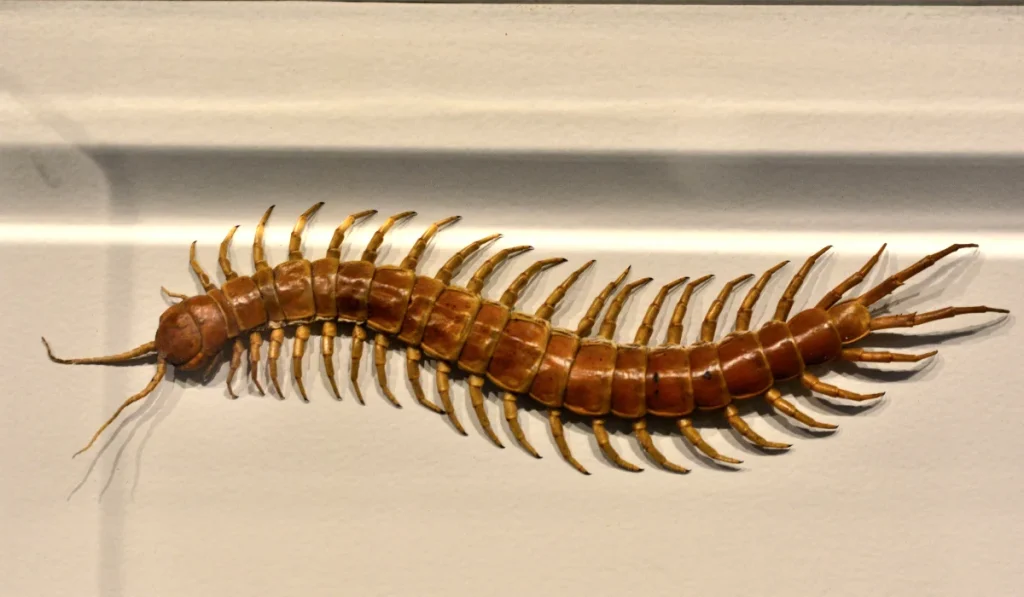
Why Centipedes After Rain can cause costly problems when early signs are missed. Learn the signs, risks, and when to call ClearDefense Pest Control.
Key Takeaways
- Centipedes are drawn indoors by damp conditions, and rain can create the moisture they prefer in areas like basements and crawl spaces.
- Seeing multiple centipedes inside your home often points to other insects already living there, since centipedes follow their food sources indoors.
- Reducing moisture in lower-level areas of your home and limiting the insects centipedes feed on are two practical steps for keeping them out.
- A recurring pest control plan addresses centipedes along with the prey insects that attract them, helping reduce ongoing activity in your home.
How to Identify Centipede Activity After Rain
Understanding why centipedes after rain show up starts with knowing what draws them indoors. Centipedes are predators that feed on insects, spiders, and other arthropods such as sowbugs and millipedes. After heavy rain, centipedes may appear indoors because they prefer damp areas and feed on insects and arthropods that share those habitats. Basements, crawl spaces, and bathrooms are common spots where they turn up.
How to Tell Different Centipede Types Apart
Centipedes are part of a broader ecosystem of ground-dwelling arthropods. They share outdoor habitat with sowbugs, millipedes, and pillbugs, all of which also move after heavy rain. According to Kansas State University Extension, spiders feed on insects, pillbugs, centipedes, millipedes, and other spiders, so you may notice several of these creatures appearing at once after a storm.
If you are seeing centipedes specifically, look for their many legs and fast movement. Millipedes and sowbugs crawl at a fraction of a centipede’s speed and tend to curl when disturbed. Recognizing the difference helps you understand the broader pest pressure driving centipede activity.
How to Spot Centipede Activity Inside Your Home
Seeing one centipede indoors can be incidental. Seeing several tells a different story. If you see numerous house centipedes, it means there are other insects in the home for them to feed on. They go where the food is, so multiple sightings point to an underlying prey-insect population inside your walls or floors.
Watch for centipedes during evening hours when they tend to be active. Their presence is the clue. The real question is what else is living in your home that keeps them fed.
Where Centipede Activity Shows Up Around Homes
Outdoors, centipedes feed on insects, spiders, and arthropods that live in the ground and on the soil surface. After rain, look along foundation walls, mulch beds, and areas where leaf litter collects. These spots hold both moisture and the prey centipedes hunt.
Inside, damp sub-floor crawl spaces or basements create the conditions centipedes prefer. Taking measures to dry out these areas can reduce the appeal for both centipedes and the prey insects they follow indoors.
Exterior Entry Points Centipedes Use
Centipedes follow moisture and prey. Centipedes may enter through gaps along the foundation, especially where moisture and prey insects are present nearby. Gaps where the foundation meets siding, openings around ground-level vents, and cracks in basement walls all provide access.
Because centipedes feed on small, living creatures such as insects, spiders, sowbugs, and millipedes, any entry point that allows those prey animals inside will also allow centipedes in. Addressing moisture and sealing openings at ground level reduces the path these predators use to reach interior spaces.
Why Centipede Problems Develop After Rain
Heavy rains saturate the ground, and that sudden shift in moisture can push centipedes toward your home. Understanding where these arthropods nest, what they feed on, and how they find their way inside helps you see why the problem seems to appear overnight after a downpour.
Outdoor Nesting Areas for Centipedes
Centipedes are arthropods, not insects, and they thrive in damp conditions. Outdoors, they tend to settle in areas that stay moist, such as under slabs and in crawl spaces. According to Texas A&M AgriLife Extension, standing water forms and the soil holds more moisture than usual after heavy rains. That excess water can flood the spots centipedes normally occupy, pushing them to seek drier ground closer to your foundation.
Food and Shelter That Attract Centipedes
House centipedes capture flies, cockroaches, and other small household pests for food. Where those prey insects are present, centipedes tend to follow. Reducing the number of other household pests is one of the most direct ways to reduce centipede numbers as well.
Centipedes are not harmful to people, food, clothes, furniture, or other items within your home. They show up because the food supply draws them, not because they are after your belongings.
How Centipedes Move Around Homes After Rain
Once rain drives centipedes toward a structure, they gravitate to damp areas. Indoors, they may occur in basements, closets, or bathrooms. They can also appear anywhere in the home where other insects occur, because those insects serve as their food source.
The house centipede, Scutigera coleoptrata, is the only species that typically lives and reproduces indoors, according to Kansas State University Extension. Other species August wander inside after rain but usually do not establish ongoing indoor populations.
Trails and Entry Points Centipedes Use
Centipedes follow moisture and prey through cracks and crevices around your home’s perimeter. Entry points at ground level, especially near damp lower-level spaces, are common routes. Exclusion practices, such as sealing those cracks and crevices, help limit access.
Ventilating or drying damp basements and crawl spaces removes the conditions that draw centipedes inside. When you reduce both moisture and their food source, centipede activity typically drops.
Risks From Centipedes After Rain
Centipedes themselves are mostly a nuisance, but their arrival after rain often signals moisture conditions that invite a wider range of pests into your home. Understanding those overlapping risks helps you decide how seriously to treat the situation.
Health Risks Linked to Centipedes
Centipedes are not the only creatures that favor damp indoor spaces. Pests that prefer damp, dark, cool habitats can turn up in basements, crawl spaces, garages, and indoor drains after heavy rain. Some of those pests, like cockroaches, may pose more of a concern than centipedes do.
Not every pest you find alongside centipedes is actually dangerous. Daddy longlegs (harvestmen), for example, cannot bite and pose no real threat to people, despite internet myths claiming otherwise.
Property Damage From Centipedes
Centipedes do not damage structures on their own, but the moisture that draws them indoors can also attract pests that build larger populations. According to UF/IFAS Extension, the American cockroach is rarely found in houses, yet infestations can occur after heavy rain. In sewer systems, their numbers can grow to more than 5,000 in a single manhole.
When rain pushes that many pests toward your foundation, the conditions that welcome centipedes August welcome cockroaches and similar moisture-loving pests into crawl spaces, drains, and garages.
Centipede Activity in Food Preparation Areas
Heavy spring rain can drive multiple types of pests closer to living spaces. According to UC IPM, years with a lot of spring rain and late weed growth can increase certain pest populations. That same wet weather pattern is what sends centipedes indoors looking for shelter.
Damp spots near kitchens, utility rooms, and ground-level storage areas can become gathering points. Trash cans, wood piles, and drains are all spots where moisture-loving pests tend to concentrate.
When to Look Closer at Centipede Activity
Seeing one or two centipedes after a storm may not mean much. But if you are also noticing cockroaches or other pests in the same areas, the underlying moisture problem may be worth addressing. The smokybrown cockroach, for instance, is common in suburban Southern neighborhoods with mature hardwood trees, and it shares many of the same damp hiding spots centipedes use.
Several species of wood cockroaches in the genus Parcoblatta are native to the Southeastern United States, and all of them gravitate toward the same cool, dark conditions centipedes prefer., and all of them gravitate toward the same cool, dark conditions centipedes prefer. A pattern of repeated sightings after rain suggests your home has entry points or moisture sources that multiple pests are exploiting at once.
Professional Pest Control for Centipedes After Rain
Keeping centipedes out after rain takes more than a quick fix. It requires a combination of reducing what attracts them, sealing the gaps they use, and addressing the moisture that draws them indoors. A recurring pest control plan ties all of these steps together so your home stays protected through every storm.
How to Reduce Attractants for Centipedes
Centipedes follow their food supply indoors. Keeping the number of insects, spiders, and other prey under control removes the main reason centipedes enter your home in the first place. When prey populations drop, centipedes have less incentive to move inside after a heavy rain.
Moisture is the other major draw. Improving ventilation, using a dehumidifier, or repairing drainage issues in lower-level spaces can make those areas less appealing to centipedes and the prey they hunt.
Why Centipede Control Starts With Inspection
According to the University of Tennessee Extension, exclusion practices are a key step for preventing occasional invaders like centipedes from entering homes. That process begins with walking around the perimeter of your structure to determine possible pest entry points. Cracks in the foundation, gaps around doors, and openings where utilities enter are all worth checking.
ClearDefense service professionals document their findings in a Defense Report after every visit. This report details every product used and every finding, so you know exactly what was discovered and what was done about it. Inspection is the foundation that makes the rest of the plan work.
What to Expect During Professional Centipede Treatment
ClearDefense uses a prevention-first IPM methodology. That means addressing the conditions that attract centipedes rather than reacting after they appear. Reducing prey populations, correcting moisture issues, and sealing entry points are all part of a single coordinated approach.
Because ClearDefense offers recurring service rather than one-time treatments, your home gets consistent attention. Each visit builds on the last, so the conditions that pull centipedes inside after rain are addressed continuously.
What to Expect From a Centipede Control Plan
A recurring plan from ClearDefense covers the full picture. Service professionals manage prey populations, identify and address moisture concerns, and check the perimeter for new entry points at each scheduled visit. Every step is recorded in your Defense Report for full transparency.
This approach means you are not starting over every time it rains. The ongoing attention to exclusion and moisture keeps your home less inviting to centipedes through wet seasons and dry ones alike.
Bottom Line on Centipedes After Rain
Rain pushes centipedes toward drier ground, and your home can become that drier ground. Moisture draws them in, and a steady food supply of insects and other arthropods gives them a reason to stay. Reducing moisture and limiting the prey they hunt are the two most practical steps you can take. If centipedes keep showing up after storms, a recurring pest control plan addresses the conditions that invite them. Reach out to ClearDefense Pest Control to request a quote and learn how a recurring service fits your home.
Frequently Asked Questions
Do Centipedes Mean I Have Other Pests?
Centipedes are predators. They feed on insects, spiders, and other small arthropods. When you spot several inside, it often points to a broader pest presence that is supporting them. Addressing those prey populations can help reduce centipede activity over time.
Are Centipedes Dangerous to People?
House centipedes are not considered a medical concern for most people. They can use their forcipules — modified front legs equipped with venom glands — to inject venom into small prey, but they pose no real threat to homeowners in everyday situations., but they pose no real threat to homeowners in everyday situations.
Why Do They Show Up Right After a Storm?
Heavy rain saturates the soil where centipedes typically live. When their outdoor habitat becomes waterlogged, they move toward structures seeking drier conditions. This is why sightings tend to spike shortly after a period of rain.
What Can I Do to Keep Them Out?
Walk around the perimeter of your home and look for gaps, cracks, or openings that allow entry. Sealing those access points is a straightforward exclusion step. Keeping interior spaces dry and reducing the insects centipedes prey on also makes your home less appealing to them.