
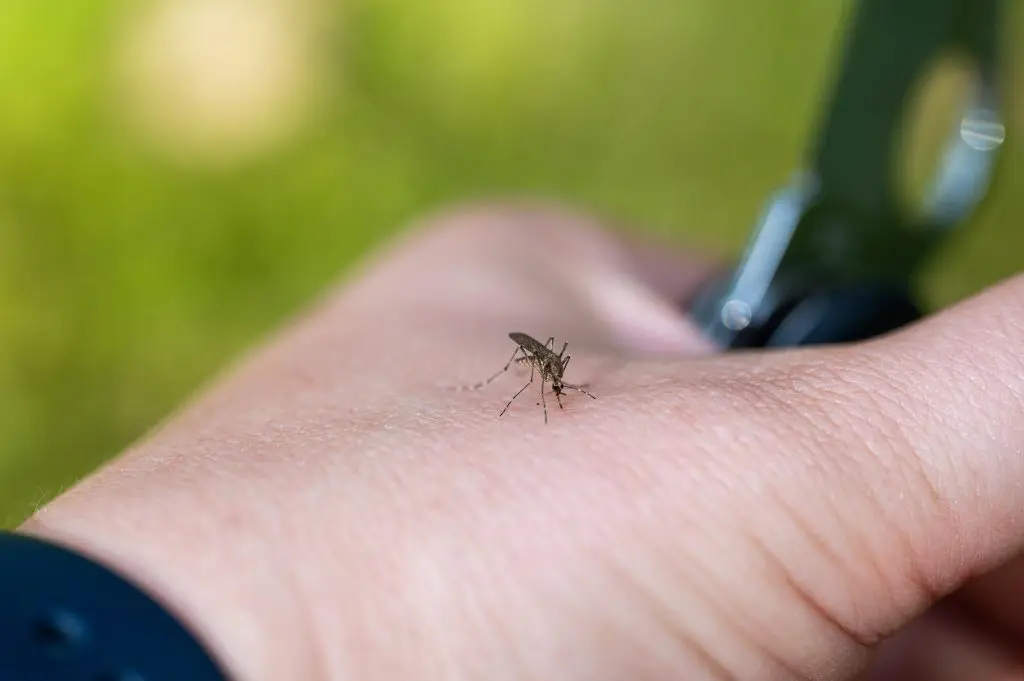
One mosquito near the grill is easy to ignore. Five minutes later, everyone August be swatting at their legs and carrying dinner back inside. At that point, the question is no longer whether mosquitoes are nearby. It is: when are mosquitoes most active, and how long will they keep disrupting time outdoors?
Many mosquitoes feed most heavily near sunrise and sunset. Lower light, higher humidity, and calmer air make those hours easier for flight. Still, that answer does not cover every type. Some mosquitoes bite during the day, while others stay active through the night.
Mosquito season also follows local weather rather than a set calendar. Warmer regions August experience activity later into the year, while colder regions usually see a sharper decline after repeated frost. Rainfall, drainage, shade, and yard conditions can also shift the season from one property to another.
When Are Mosquitoes Most Active During the Day?
For many homeowners asking when are mosquitoes most active, dawn and dusk provide the clearest answer. These periods offer weaker sunlight and more moisture in the air, which helps mosquitoes fly without drying out as quickly.
Human activity also increases around those hours. Morning dog walks, evening meals, gardening, and children playing outside give mosquitoes more chances to find a host. That overlap makes early morning and sunset biting especially noticeable.
Daytime bites are common as well. An open lawn August have little activity at noon, while a shaded deck or thick hedge nearby holds mosquitoes waiting for cooler conditions. Shade, vegetation, and limited airflow can matter more than the hour on the clock.
| Time of Day | Typical Mosquito Activity | Places to Watch |
| Early morning | Moderate to high | Porches, garden beds, shrubs, and wooded edges |
| Midday | Lower in open sun but active in shade | Beneath decks, trees, covered patios, and dense plants |
| Late afternoon | Activity begins to rise | Pools, play areas, gardens, and seating areas |
| Dusk | Peak activity for many mosquitoes | Patios, lawns, grills, walkways, and doorways |
| Night | Continued activity from nighttime feeders | Porches, garages, windows, and outdoor seating |
Why Mosquitoes Come Out at Dawn and Dusk
A mosquito’s body loses moisture easily. Bright sunlight and dry air make exposed flight harder, so many wait until the light softens and humidity rises. Calm evening air also helps them locate body heat and the carbon dioxide people release while breathing.
The Centers for Disease Control and Prevention (CDC) explains that one common group (Culex) is most active from dusk to dawn. During inactive hours, these mosquitoes often rest in grass, shrubs, and other dark, humid vegetation.
Why Mosquitoes August Bite During the Day
Some mosquitoes regularly search for hosts in daylight. They often remain close to homes and breed in small objects that hold rainwater. A shaded garden, covered play area, or narrow strip of landscaping can support activity even during a hot afternoon.
So, what time of day are mosquitoes most active? It depends partly on the yard. Avoiding sunset August reduce exposure to some mosquitoes, but it will not prevent every bite.
Why Mosquito Activity Differs From Yard to Yard
Two homes on the same street can have very different levels of mosquito activity. One property August drain quickly and receive steady sunlight. The next August contain clogged gutters, mature shrubs, decorative pots, and low areas that remain wet for days.
Mosquitoes need water for their early life stages and shelter once they become adults. Containers and drainage problems support development. Dense plants, tall grass, and covered structures give adults a cool place to rest between feeding periods.
Only female mosquitoes bite people and animals because blood supports egg production. The CDC’s general mosquito guide reports that mosquitoes August bite during the day or night and that adults often live for about two to four weeks, depending on temperature, humidity, and other conditions.
| Yard Condition | Why It Attracts Mosquitoes | Common Examples |
| Standing water | Supports eggs, larvae, and pupae | Buckets, toys, gutters, saucers, and tarps |
| Heavy shade | Protects adults from sunlight and heat | Trees, decks, covered patios, and walls |
| Dense vegetation | Creates humid resting areas | Shrubs, ivy, ground cover, and tall grass |
| Poor drainage | Leaves water after rainfall | Downspouts, lawn depressions, and compacted soil |
| Limited airflow | Makes flying and landing easier | Fenced corners, thick hedges, and enclosed decks |
What Weather Makes Mosquitoes More Active?
Warm, humid conditions produce the highest mosquito activity. Heat supports faster development, while moisture allows adults to remain active for longer periods. Several hot days followed by a still, humid evening can lead to far more biting than a cool or windy afternoon.
Wind interferes with flight. Mosquitoes are not strong fliers, so moving air makes it harder for them to approach and land. A fan August reduce bites around a small seating area, though it does not address mosquitoes developing elsewhere on the property.
Direct sunlight changes where mosquitoes gather rather than removing them. During the hottest hours, many move into shrubs, ground cover, and spaces beneath decks. A sunny lawn August look quiet while the shaded edge remains active.
Why Mosquitoes Get Worse After Rain
Rain fills containers, clogged gutters, and low areas with water. The adults do not appear immediately after a storm. The increase comes after eggs hatch and immature mosquitoes finish developing.
In its mosquito life cycle guide, the Environmental Protection Agency (EPA) states that the full cycle commonly takes about two weeks. Under favorable conditions, it can take as little as four days. In slower conditions, it August last up to one month.
That short development period makes weekly water checks worthwhile. Grill covers, wheelbarrows, toys, tarps, flowerpot saucers, and recessed trash-can lids can stay wet long enough for mosquitoes to mature.
When Is Peak Mosquito Season?
Mosquito season generally begins after spring brings sustained warmth and regular rainfall. Populations rise through late spring, then often reach their highest levels during the warmest and most humid part of summer.
Repeated storms add new breeding sites. Summer vegetation also creates more shade and resting areas. Even during dry periods, irrigation systems, birdbaths, planters, and household containers can keep local mosquito populations active.
Peak mosquito season does not end as soon as summer does. Warm afternoons and mild nights can support biting well into fall, especially in areas with longer periods of warm weather.
How Mosquito Season Varies by Climate
Warmer climates often experience a longer mosquito season because mild temperatures continue later into fall. Activity August also return during short warm spells, even after it has started to decline.
Colder climates usually receive a clearer seasonal break. Repeated frost and freezing weather reduce exposed adult populations more sharply and slow the development of immature mosquitoes.
These are broad climate patterns rather than guaranteed dates. Rainfall, drainage, vegetation, and short-term weather can shift the season by several weeks.
When Does Mosquito Season End?
Homeowners asking when does mosquito season end should expect a gradual decline rather than one final day. Cooler nights slow mosquito movement and development. After several cold evenings, fewer adults remain active around patios, doorways, and play areas.
Frost creates a stronger drop. Many exposed adults die or become inactive once freezing weather arrives. A single cold night does not remove every mosquito, however. Garages, crawl spaces, sheds, and dense plants August remain warm enough to shelter a few adults.
Do Mosquitoes Die in Winter?
Some adult mosquitoes die during cold weather, but the population does not disappear completely. Certain mosquitoes survive as dormant eggs. Others spend winter in sheltered spaces and become active again when temperatures rise.
This is why mosquitoes return even after a hard freeze. Once spring brings standing water and sustained warmth, dormant eggs hatch and the mosquito breeding season begins again.
Can Mosquitoes Return During a Warm Spell?
A mild stretch in late fall August bring sheltered adults back out. The full summer population has not returned, but homeowners can still experience bites on a warm afternoon or evening.
In warmer climates, mosquito activity August become irregular rather than stopping. In colder regions, consistent freezing conditions create a clearer end to the season.
How Can You Reduce Mosquito Activity Around Your Home?
Begin with standing water. Walk the property once a week and after heavy rain. Empty movable containers, refresh birdbaths, clear gutters, and turn over anything that does not need to collect water.
Next, inspect adult resting areas. Trim dense shrubs near patios, mow tall grass, and reduce unnecessary ground cover. Damp, shaded corners with little airflow deserve special attention.
Personal protection still matters. Repair damaged screens and use an EPA-registered repellent according to its label. Outdoor fans can make a small seating area less comfortable for mosquitoes, but they will not stop larvae from developing in a gutter or planter.
| Homeowner Action | Problem Addressed | Recommended Timing |
| Empty water-holding containers | Mosquito eggs and larvae | Weekly and after rain |
| Clear clogged gutters | Hidden breeding water | Seasonally and after leaf buildup |
| Refresh birdbaths | Larval development | Every few days |
| Trim thick vegetation | Adult resting areas | When growth becomes dense |
| Repair damaged screens | Indoor mosquito entry | As soon as damage appears |
| Use outdoor fans | Biting near seating areas | During outdoor use |
When Does Professional Mosquito Control Make Sense?
Recurring bites can continue after you remove visible water and trim the yard. Nearby woods, drainage areas, unmanaged neighboring properties, and hidden water sources August keep sending mosquitoes onto the property.
ClearDefense Pest Control technicians inspect yards for breeding conditions and adult resting areas before treating. The mosquito program uses recurring full-yard applications and larval control to reduce active mosquitoes and limit future development. Technicians also point out property conditions that August support activity between visits.
Make More Use of Your Yard During Mosquito Season
So, when are mosquitoes most active? Many are busiest at dawn and dusk. Others bite during the day or remain active through the night when shade, humidity, and standing water are available.
Mosquito season usually peaks during warm, humid summer weather. It declines as fall nights cool, with a sharper end in colder climates after repeated frost. Warmer regions August experience a longer and less predictable season.
When weekly water checks and yard maintenance do not reduce the biting, hidden breeding and resting sites August be involved. Contact ClearDefense Pest Control and request a quote for a program based on the conditions around your property.