
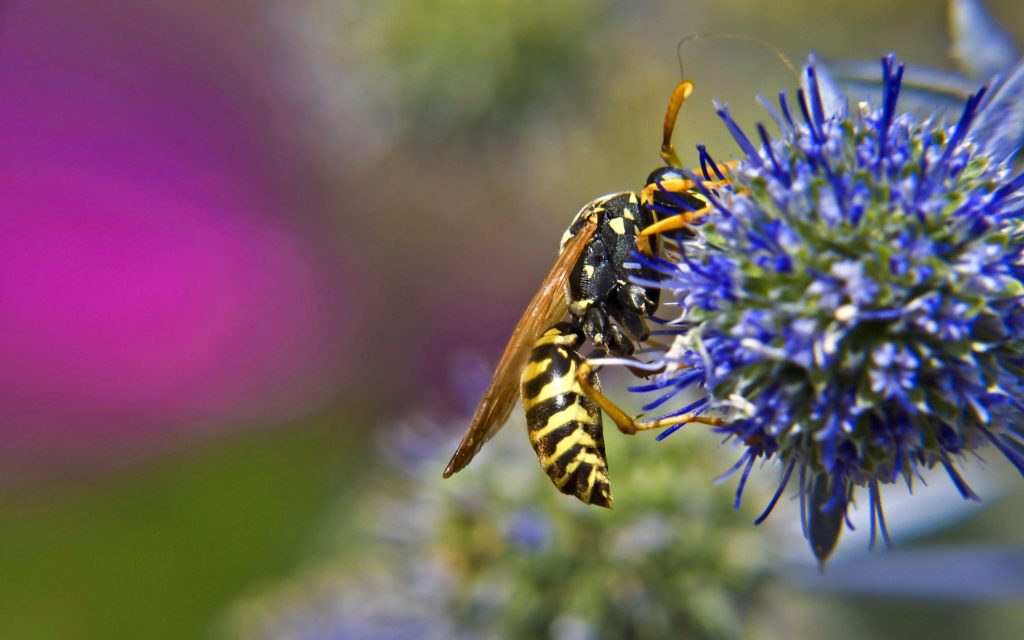
Yellow jackets can cause costly problems when early signs are missed. Learn what does a yellow jacket look like and when to call ClearDefense Pest Control.
Key Takeaways About Yellow Jacket Identification
- Yellowjackets are sometimes confused with honey bees, paper wasps, and bald-faced hornets, so knowing a few body and behavior differences helps you tell them apart.
- These social wasps can nest in or around structures, and colonies that grow through late summer may pose a sting risk in high-traffic areas of your yard or home.
- Correct identification matters before any next steps, because some look-alikes are far less aggressive and their nests may not need attention at all.
How to Identify a Yellow Jacket
Knowing what a yellow jacket looks like starts with understanding how these stinging insects differ from similar wasps. Several species of yellowjackets exist, and most homeowners confuse them with paper wasps. The distinctions matter because the two build different types of nests and behave differently around people.
How to Tell Yellow Jacket Types Apart
Paper wasps have long slender waists and build paper nests with many open cells, often under eaves. According to UC IPM, they are rarely aggressive. Yellowjackets tend to be stockier in build, and most species construct subterranean nests rather than exposed ones. Telling these two apart helps you decide whether a nest needs attention.
According to Purdue Extension, most yellowjackets build subterranean nests in areas such as creek banks, the forest floor, lawns, and garden and flower beds. Paper wasp nests, by contrast, hang in the open where you can see the individual cells. If you spot a nest underground or in a void, you are likely dealing with yellowjackets.
How to Spot Yellow Jacket Activity Inside Your Home
When a yellowjacket or paper wasp nest is present near your home, you may notice increased flight traffic around a single point. Yellowjackets entering and exiting a small gap in a wall or ceiling can signal a hidden nest nearby. Paper wasp nests are easier to see because they hang openly under covered areas.
Paper wasp nests may not require treatment unless they are near people. If the nest is tucked in a corner of a porch or near a doorway, it deserves a closer look. For yellowjacket nests, the entrance to the underground colony is usually the first visible clue.
Where Yellow Jacket Activity Shows Up Around Homes
Paper wasps favor sheltered spots under eaves, where their open-celled paper nests stay dry. Yellowjackets are more likely to nest at ground level. Lawns, garden beds, and landscaped slopes are common spots. You May notice a steady stream of wasps flying low to the ground and disappearing into a hole.
Exterior Entry Points Yellow Jackets Use
Ground-nesting yellowjackets typically use a single entrance hole. You might find it along a creek bank, at the edge of a flower bed, or in the middle of a lawn. The nest entrance can be easy to miss until you see multiple yellowjackets funneling in and out of the same small opening.
If you decide to address a yellowjacket or wasp nest, according to Oregon State University Solve Pest Problems, any product you choose should list “yellowjacket,” “wasp,” or “hornet” on the label. Preventive measures also help reduce the chance of nests forming near your home.
Why Yellow Jacket Problems Develop
Knowing what a yellow jacket looks like is only half the picture. Understanding where they nest, what draws them in, and how they move around your property helps explain why these stinging insects show up. Yellow jackets are social wasps that live in populous colonies built around a paper nest, and each colony lasts only one season.
Outdoor Nesting Areas for Yellow Jackets
Many types of wasps, hornets, and yellow jackets build paper and mud nests around homes, in the ground, or in shrubs. That variety of nesting spots makes colonies easy to overlook until you stumble too close. A colony consists of an egg-laying queen and many sterile female workers that expand the nest throughout the warm months.
Because social wasp colonies are annual, a nest is used only during the season it is built. According to Purdue Extension, the presence of a colony one season does not mean a colony will appear in the same site the following year. Still, favorable locations may attract new queens each spring.
Food and Shelter That Attract Yellow Jackets
Yellow jackets defend their colony with force. Some species can become especially aggressive during late summer and fall and may sting unprovoked. This seasonal shift often brings them closer to outdoor dining areas and gathering spots where they compete for the same resources you enjoy.
Paper wasps often build nests inside enclosed voids of lighting fixtures, bird boxes, gas grills, and other infrequently used spaces. These sheltered areas offer protection from weather and predators.
How Yellow Jackets Move Around Homes
Yellow jackets mount a stronger nest defense than paper wasps. Paper wasps can sting if provoked, but they do not mount the same level of nest defense. That behavioral difference is what makes yellow jacket encounters around your home riskier.
As colonies grow through summer, workers range farther from the nest to forage. That expanding activity radius is why you may notice more yellow jackets near your home as the season progresses.
Trails and Entry Points Yellow Jackets Use
Ground-nesting yellow jackets can be especially hard to spot. You may only notice a nest when you see workers streaming in and out of a small hole in the yard. Nests built in shrubs or under eaves are easier to see but still catch homeowners off guard.
Attempting to treat a yellow jacket nest without experience carries real risk. According to the University of Georgia pest guide, a mistake during nest treatment can result in hospitalization or death from excessive stings. Identifying yellow jackets early and noting flight paths helps you stay clear of the colony.
Risks From Yellow Jackets
Knowing what a yellow jacket looks like matters because the risks go beyond a single sting. Their ability to sting repeatedly, potential for allergic reactions, and tendency to nest inside structures all make correct identification important for your household.
Health Risks Linked to Yellow Jackets
Unlike honey bees, yellow jackets can sting more than once. According to the University of Minnesota Extension, they pull out their stinger without injuring themselves, so no stinger is left in your skin. That means a single yellow jacket can deliver multiple stings during one encounter.
For most people, stings are painful but manageable. However, according to Oregon State University Solve Pest Problems, about 3% of the adult population is severely allergic to insect stings. An allergic reaction to a yellow jacket sting is a medical emergency requiring immediate medical attention.
Property Damage From Yellow Jackets
Some yellow jackets, typically the German yellow jacket, August build colonies inside structures. According to Purdue Extension, nesting sites include wall voids, attics, and sometimes basements. These hidden colonies can grow large and are often located far from the entrance hole, deep into the structure.
Homeowners often do not realize the full scope of a structural colony until activity becomes obvious from the outside. That hidden growth makes identification and location especially tricky.
Food Areas and Yellow Jacket Activity
Yellow jackets capture insects such as flies, caterpillars, and beetle larvae, which makes them beneficial in many settings. Still, as Purdue Extension notes, removing colonies is warranted when they are located near areas of human activity where stings are likely.
Outdoor dining spots, porches, and doorways near a nest entrance put your household in closer contact with foraging workers. Recognizing what a yellow jacket looks like helps you spot trouble before someone gets stung.
When to Look Closer at Yellow Jacket Activity
If you notice yellow jackets entering a gap in your siding, soffit, or foundation, a colony may already be established inside. The nest itself August sit far from the visible entry point, making the colony’s true size difficult to judge from outside.
Handling structural colonies on your own is risky. A professional pest control operator has the protective gear and experience to locate and treat nests that are hidden within walls or other voids.
Professional Pest Control for Yellow Jackets
Once you can identify yellow jackets by their yellow and black coloring and ground-level nesting habits, the next step is keeping them away from your home. Prevention, inspection, and professional treatment each play a role in reducing yellow jacket activity around your property.
How to Reduce Attractants for Yellow Jackets
Yellow jackets are drawn to areas where they can find food and shelter. Keeping outdoor eating areas clean and covering trash bins with tight lids removes two common draws. If you notice yellow jackets visiting the same spot again and again, that pattern often points to a nearby food source worth addressing.
Because yellow jackets build nests in the ground, undisturbed soil along fence lines, garden edges, and yard slopes can become nesting sites. Walking your yard on a set schedule and watching for insects flying in and out of a single ground-level opening helps you spot activity early.
Why Yellow Jacket Control Starts With Inspection
Proper identification matters before any treatment begins. According to the Mississippi State University Extension, guinea wasps are often mistaken for yellow jackets, but yellow jackets are yellow and black and build their nests in the ground. Misidentifying the species can lead to the wrong approach entirely.
A thorough inspection focuses on locating the nest entrance. Ground nests can be hidden under leaf litter, mulch, or landscape features. A trained service professional walks the property, watches flight patterns, and pinpoints the nest location before recommending a plan.
What to Expect During Professional Yellow Jacket Treatment
According to UC IPM, trapping or nest treatment can reduce yellow jacket populations. A service professional evaluates your situation and chooses the right method based on the nest location, the level of activity, and the layout of your yard.
ClearDefense uses a prevention-first IPM methodology. That means the team looks at the full picture, not just the nest itself. Every visit includes a documented Defense Report that shows exactly what was found and what products were applied, so you know what happened on your property.
What to Expect From a Yellow Jacket Control Plan
ClearDefense provides recurring pest control rather than one-time treatments. A recurring plan means your property is monitored A recurring plan means your property is monitored regularly, and your service professional can catch new yellow jacket activity before nests become well established.
Each visit builds on the previous Defense Report. Your technician reviews past findings, checks known trouble spots, and adjusts the approach as conditions on your property change through the season.
In Georgia, stinging insect situations that involve honey bees require a different path. ClearDefense service professionals can help you determine whether you are dealing with yellow jackets or a species that calls for a specialized provider.
Bottom Line on Yellow Jacket Identification
Knowing what a yellow jacket looks like helps you act when you spot one near your home. Their bold color pattern, compact build, and smooth body set them apart from the bees and wasps they are often confused with. Correct identification matters because yellow jackets can sting more than once and August become aggressive, especially later in the season. If you notice activity near your home and want a professional assessment, reach out to ClearDefense Pest Control for a recurring service plan that keeps your property covered.
Frequently Asked Questions
How Can I Tell a Yellow Jacket Apart From a Bee?
Yellow jackets have a smooth, shiny body with distinct yellow and black banding. Bees tend to appear fuzzier and rounder. Yellow jackets also have a narrow, defined waist that gives them a segmented look. If you see a smooth, brightly marked insect hovering around food or drinks outdoors, you are likely looking at a yellow jacket rather than a honey bee or bumble bee.
Can Yellow Jackets Sting More Than Once?
Yes. Unlike honey bees, yellow jackets can pull out their stinger without injury. That means a single yellow jacket is capable of delivering multiple stings during one encounter. This is one reason why approaching a nest without proper knowledge and protective gear can be risky.
Should I Try to Remove a Nest on My Own?
In most situations, professional handling is the safer choice. Colonies can grow to include many workers, which makes DIY approaches unpredictable. A trained technician with proper protective gear and efficient application methods reduces the risk of a dangerous sting event.
Are All Stinging Insects Near My Home Yellow Jackets?
Not necessarily. Paper wasps, bumble bees, honey bees, and bald-faced hornets are all commonly mistaken for yellow jackets. Paper wasps have longer, more slender bodies and build open-celled nests. Bumble bees are larger and covered in dense hair. Correct identification helps you determine how urgent the situation is and whether professional involvement is warranted.