
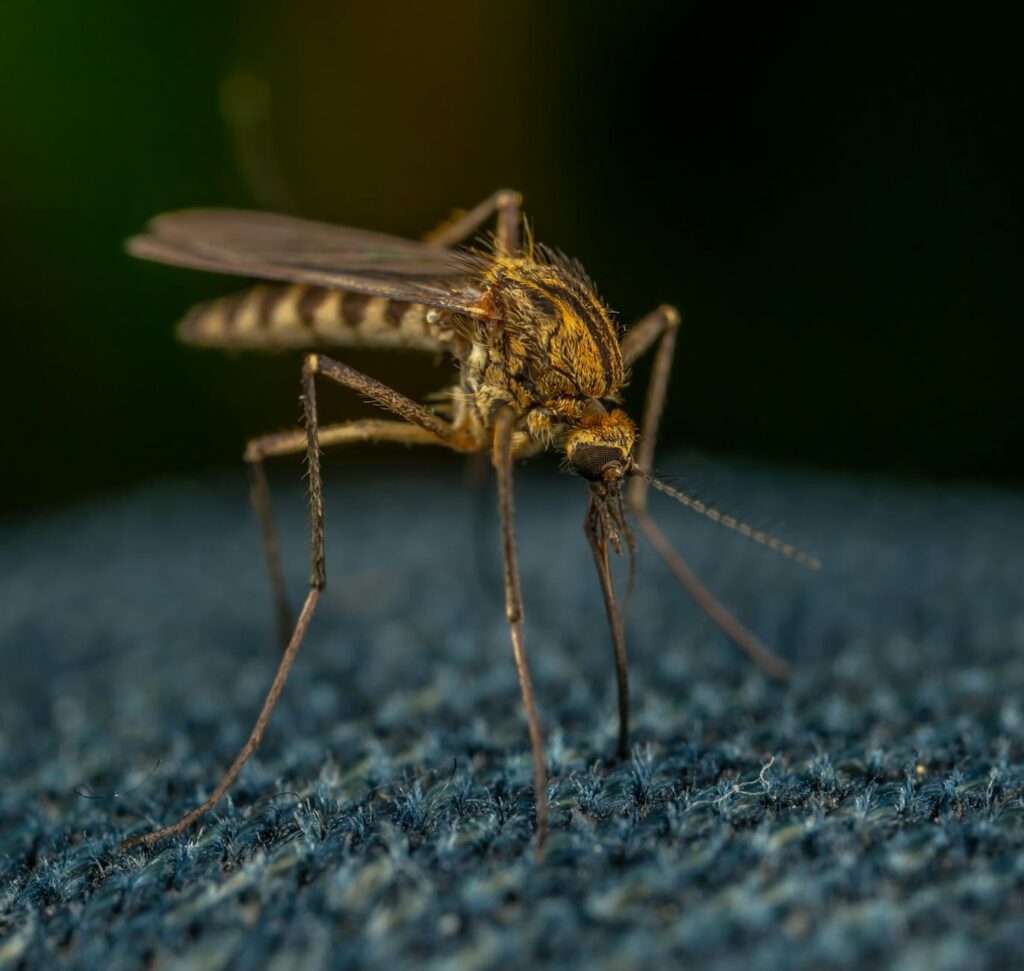
Key Takeaways About What Attracts Mosquitoes to Your Yard
- Mosquitoes are drawn to your yard by conditions that support breeding, including sources of collected water where larvae develop.
- Female mosquitoes seek out people and animals by detecting cues like body heat and exhaled breath, which is why some yards see more activity than others.
- Reducing the conditions that attract mosquitoes, such as clearing collected water and addressing shaded resting spots, can lower mosquito pressure over time.
- Recurring professional mosquito treatments, paired with homeowner prevention steps, offer a layered approach to keeping mosquito activity down in your yard.
How to Identify Mosquito Activity in Your Yard
Understanding what draws mosquitoes to your property starts with knowing what they need to survive and reproduce. Female mosquitoes consume blood from humans or animals to develop eggs. That biological drive is the core reason these pests target your yard and the areas around your home where conditions support their life cycle.
How to Tell Mosquitoes Apart
Not every small flying insect around your yard is a mosquito. Other pests, like eye gnats, are sometimes confused with mosquitoes because they hover near people outdoors. However, eye gnats do not bite.
Mosquitoes are distinct. Only female mosquitoes bite and consume blood. Males feed on nectar and do not target people at all. If you are getting bitten, you are dealing with females looking for a blood meal to produce eggs.
How to Spot Mosquito Activity Inside Your Home
Mosquitoes occasionally follow people indoors. If you notice bites appearing while you are inside, a female mosquito may have entered through an open door or window. Indoor activity is usually limited compared to outdoor encounters.
The first three life stages of a mosquito occur in water, while adults are airborne. Because of this water dependence, the bulk of the population stays outside near breeding sources.
Where Mosquito Activity Shows Up Around Homes
Mosquito activity concentrates in areas where water and hosts overlap. Any part of your yard holding water can support early development, and adult females range outward from those spots looking for a blood meal.
You will typically notice mosquitoes when you spend time in shaded, sheltered parts of the yard. These areas give adults a place to rest between feeding attempts.
Exterior Entry Points Mosquitoes Use
Adult female mosquitoes move toward the body heat and breath of people and animals around your home. Open garage bays, patio seating areas, and doorways you pass through regularly can become consistent contact points between you and active mosquitoes.
Because adults are airborne, they can approach from any direction. Reducing the conditions that support their water-dependent early stages near your home helps lower the number of adults that reach these entry points.
Why Mosquito Problems Develop in Yards
Mosquito problems rarely appear out of nowhere. They build over time as your yard provides the right mix of standing water, shelter, and warm-blooded hosts. Understanding these conditions helps you see why certain yards draw more mosquitoes than others.
Outdoor Nesting Areas for what attracts mosquitoes to your
Mosquitoes breed in standing water. According to the EPA, rain gutters, old tires, buckets, plastic covers, toys, and any other container that holds water can serve as breeding sites. Even small amounts of water are enough.
Development time from egg to adult depends on water temperature and species, but can take as little as seven days. A forgotten bucket after a single rain event August produce a new batch of adults before your next yard work day.
Food and Shelter That Attracts Mosquitoes to Your Yard
Adult female mosquitoes locate hosts by sensing carbon dioxide from breath and skin, host odor, temperature, color, and movement. According to Kansas State University Extension, these cues guide mosquitoes toward people spending time outdoors.
Your yard offers shelter in shaded spots where mosquitoes rest during the hottest parts of the day. The combination of nearby hosts and resting cover keeps them close to your home rather than drifting elsewhere.
How Mosquitoes Move Around Homes
Once mosquitoes find favorable conditions in your yard, they tend to stay. Yards with multiple water-holding containers can support overlapping generations. Because egg-to-adult development can happen quickly, activity August build steadily through warmer months.
Trails and Entry Points Mosquitoes Use
Mosquitoes do not follow fixed trails the way some crawling pests do, but they consistently move toward the same attractants. Carbon dioxide plumes from people sitting on patios or working in the yard create a path they follow.
Repellents containing the active ingredient DEET are the most useful protection against bites when you are outdoors. According to Purdue Extension, only repellents registered by the EPA should be used. Reducing standing water across your property remains the most direct way to cut down on breeding conditions.
Risks From Mosquitoes in Your Yard
Health Risks Linked to Mosquitoes
Mosquito bites are the most direct consequence of yard conditions that draw these pests in. Reducing standing water, using repellents, and wearing protective clothing when you spend time outdoors can lower your chances of getting bitten. Repellents containing DEET or picaridin offer personal protection, and oil of lemon eucalyptus is another option derived from natural materials.
Your county mosquito and vector control agency can provide local management information about mosquitoes and other pests of concern in your area. Reaching out to them is a practical step if bites become frequent around your property.
Property Damage From Mosquitoes
Some homeowners try DIY approaches to cut down on mosquitoes, but not every method is straightforward. Techniques such as carbon dioxide application carry potential risks. Even methods that seem simple can be dangerous if applied incorrectly and may damage materials or harm humans and animals.
Outdoor sprays and repellent devices vary widely in effectiveness. They can temporarily reduce adult mosquitoes but have no lasting effect, meaning repeated applications add effort and cost over time.
Food Areas and Mosquito Activity
Patios, decks, and other outdoor gathering spots become less enjoyable when mosquitoes are present. Yellow “bug” lights tend to attract fewer mosquitoes than ordinary outdoor lights, though they are not repellents. Swapping your standard bulbs for yellow alternatives can make dining and entertaining outdoors more comfortable.
Standing water near food-prep or eating areas is especially worth addressing. Even small amounts of collected water can draw these pests closer to where your family gathers.
When to Look Closer at Mosquito Activity
If you notice persistent mosquito activity despite reducing standing water and wearing repellents, it may be time to look more carefully at your yard’s conditions. Conducive features can be easy to overlook, and a trained eye often spots what homeowners miss.
ClearDefense technicians inspect your property for conditions that contribute to mosquito activity. Monthly fogging treatments reduce the population with each application, and a larvicide containing an insect growth regulator helps disrupt the breeding cycle over time.
Professional Pest Control for Mosquitoes
Understanding what attracts mosquitoes to your yard is the first step toward reducing their presence. Prevention, regular inspection, and professional treatment work together to address the conditions that draw these pests in and keep them coming back.
How to Reduce What Attracts Mosquitoes to Your Yard
Mosquito prevention starts with your own property. Taking mosquito control steps around your home can help prevent bites before they happen. That means looking at the conditions in your yard that give mosquitoes what they need to breed and rest.
Simple yard maintenance, like keeping vegetation trimmed and removing areas where water collects, reduces the appeal of your property to mosquitoes looking for a place to land and lay eggs.
Why Mosquito Control Starts With Inspection
ClearDefense technicians are trained to identify and communicate areas of your property that may be contributing to a mosquito problem. This inspection step is built into every treatment visit. Your technician walks the yard, noting conditions that support mosquito breeding and activity.
Addressing these areas of concern can usually be accomplished without additional products. Sometimes a small change, like adjusting drainage or clearing a neglected spot, makes a meaningful difference over time.
What to Expect During Professional Mosquito Treatment
ClearDefense uses backpack fogging treatments with products like Duraflex or Tempo SC to reduce the mosquito population on your property. Each treatment takes roughly twenty minutes, though that can vary based on yard size. Monthly fogging also creates a barrier that discourages mosquitoes from nearby areas from establishing on your property.
A larvicide containing an insect growth regulator is also part of the process. It disrupts the development and reproduction of mosquitoes in your yard. The mosquitoes themselves spread it, reaching water sources across the property without requiring manual location of every one.
Treatments hold up after rainfall. They greatly reduce the population of mosquitoes over time, even in rainy weather. Each application decreases the number of mosquitoes present, building results with every visit.
What to Expect From a Mosquito Control Plan
ClearDefense offers recurring mosquito service, not one-time treatments. This ongoing approach means your yard gets consistent attention throughout the season. Every visit includes a documented Defense Report showing the products used and findings from the inspection.
The service also comes with a re-treat guarantee. If mosquito activity picks back up between scheduled visits, ClearDefense will return to treat again. A recurring plan addresses what attracts mosquitoes to your yard on a continuous basis rather than leaving gaps between visits.
Bottom Line on What Attracts Mosquitoes to Your Yard
Mosquitoes follow a short list of cues: standing water for breeding, carbon dioxide from your breath and skin, and body heat. Removing water sources and reducing the conditions that draw them in can make a real difference. For yards that need more than prevention alone, ClearDefense Pest Control offers recurring monthly fogging treatments paired with larvicide applications to reduce mosquito populations over time. Request a quote to learn how a recurring plan fits your property.
Frequently Asked Questions
Why do mosquitoes keep coming back after rain?
Rain leaves behind small pools of water in gutters, toys, and low spots across your yard. Female mosquitoes need standing water to lay eggs, so fresh puddles can restart the cycle quickly. ClearDefense treatments hold up after rainfall and continue to reduce mosquito numbers even in rainy weather.
How long does a yard treatment take?
Each ClearDefense mosquito treatment takes approximately twenty minutes. The exact time can vary based on the size of your yard.
Do I still need to remove standing water if I have a treatment plan?
Yes. Clearing standing water removes breeding sites and supports the work your treatment plan is already doing. ClearDefense technicians note conducive conditions during each visit so you can address them directly.
What does the larvicide do?
The larvicide ClearDefense uses contains an insect growth regulator that targets the development of immature mosquitoes. It spreads through mosquito activity across the property, reaching water sources that may be difficult to find manually.