
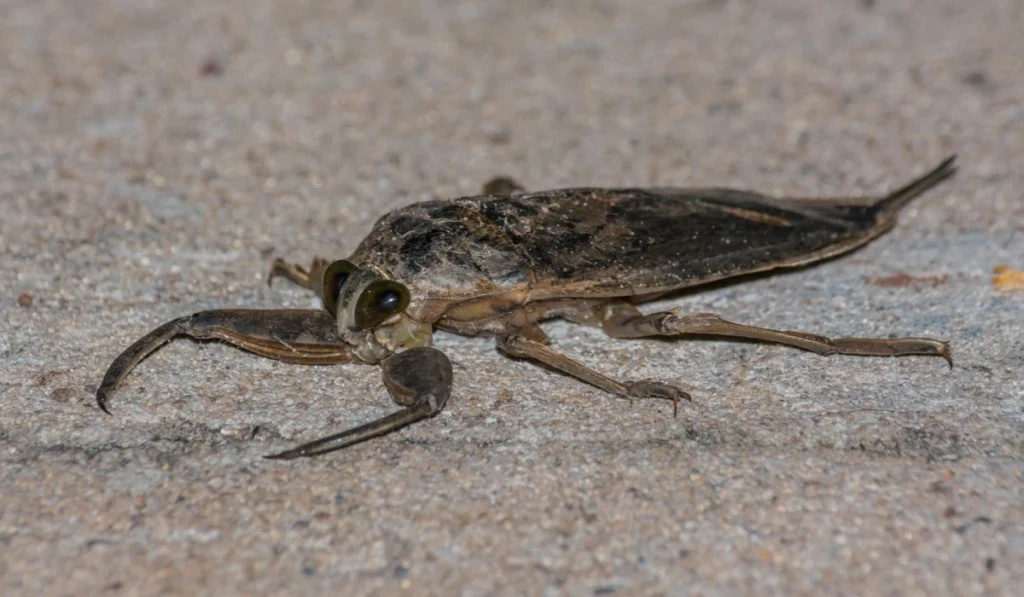
Water bugs in North Carolina usually refer to large cockroaches found around damp areas of homes, although true giant water bugs also live in the state’s freshwater habitats. If you’re finding large, dark insects near bathroom drains, basement walls, or kitchen sinks, cockroaches are the more likely explanation. The difference matters because these insects have distinct behaviors, health concerns, and prevention methods. Here’s how to identify them, understand why they’re showing up, and determine when professional pest control is necessary.
What Are Water Bugs in North Carolina?
North Carolina homeowners commonly use the names water bug, palmetto bug, and roach for large cockroaches. According to NC State University’s explanation of cockroach identification, the smokybrown cockroach is one species known locally as a water bug or palmetto bug. Oriental cockroaches also carry the water bug nickname because they favor damp environments.
True giant water bugs are entirely different insects. They belong to the family Belostomatidae and live in freshwater habitats, where they hunt other aquatic organisms. Their presence outdoors doesn’t indicate a household infestation.
True Giant Water Bugs Live in Freshwater
Giant water bugs inhabit ponds, lakes, and slow-moving streams. Their broad, flattened bodies help them move through water, while their thick front legs grip prey. They have short antennae that are much less noticeable than those of cockroaches.
These aquatic insects can also fly. Adults sometimes appear near porch lights or other outdoor lighting, particularly around properties close to freshwater. Although one may occasionally end up near a house, giant water bugs don’t establish colonies in kitchen cabinets, bathrooms, or basements.
Cockroaches Commonly Called Water Bugs
Smokybrown, American, and Oriental cockroaches are among the large species homeowners may mistake for water bugs. They have long antennae, spiny running legs, and flattened bodies that allow them to squeeze into sheltered spaces.
Their habits vary by species. Smokybrown cockroaches often occupy outdoor hiding places around trees and landscaping. American cockroaches are associated with warm, humid environments, including drainage and sewer systems. Oriental cockroaches favor cooler, damp locations close to the ground.
Identifying the cockroach matters because an outdoor species entering through a garage gap presents a different problem from cockroaches reproducing inside the home.
How Can You Tell a Water Bug From a Cockroach?
Check the antennae and front legs first. A cockroach has long, thin antennae and legs adapted for running. A giant water bug has short, relatively hidden antennae and enlarged front legs that grasp prey.
The insect’s location is another clue. A water bug swimming in a pond is more consistent with an aquatic insect, while one running along bathroom baseboards is more likely a cockroach.
| Feature | True Giant Water Bug | Cockroach Called a Water Bug |
| Typical habitat | Ponds, lakes, and slow-moving freshwater | Damp outdoor areas, garages, basements, and buildings |
| Antennae | Short and difficult to see | Long and prominent |
| Front legs | Adapted for grasping prey | Adapted for running |
| Movement | Swims and can fly | Runs; some species also fly |
| Main concern | Painful defensive bite | Contamination and allergen exposure |
| Indoor presence | Usually accidental | May enter repeatedly or reproduce indoors, depending on the species |
A photograph showing the insect’s back, antennae, and legs can help a pest control professional confirm its identity. You don’t need to pick it up to get a useful picture.
Which Large Cockroaches Look Like Water Bugs?
Among the cockroaches found in North Carolina, three large species are especially relevant when homeowners report water bugs indoors.
Smokybrown cockroaches have dark mahogany-brown bodies and well-developed wings. They commonly occupy sheltered outdoor locations, including tree cavities, leaf litter, and areas around rooflines or gutters.
American cockroaches are reddish-brown, with a lighter yellowish marking behind the head. They favor warm, humid environments and can occur in sewers, basements, and utility spaces.
Oriental cockroaches are dark brown to nearly black, with adults measuring about an inch long. They prefer cooler, damp areas such as crawl spaces, basements, and drainage locations.
Size and color offer useful identification clues, but they don’t always provide a definite answer. A closer examination of the wings, antennae, and other physical features may be necessary to confirm the species.
Why Are Water Bugs Showing Up Inside Your North Carolina Home?
Large cockroaches enter homes through accessible openings and may find moisture, food, or shelter once inside. Common entry points include gaps beneath garage doors, damaged weatherstripping, openings around utility pipes, and cracks near foundations.
The conditions around your home can also influence sightings. Damp mulch, leaf litter, clogged gutters, and stored materials provide hiding places for outdoor cockroaches. When these areas sit close to exterior openings, insects have easier access to garages, crawl spaces, and living areas.
Why Do Water Bugs Appear in Bathrooms and Basements?
Bathrooms and basements offer moisture and sheltered spaces that attract certain cockroach species. A dripping pipe beneath a sink, condensation around plumbing, or water collecting near a basement wall can maintain the damp conditions these insects prefer.
Penn State Extension’s research on Oriental cockroaches identifies basements, crawl spaces, sewers, drains, and areas beneath plumbing fixtures as common habitats for this species.
Inspect beneath sinks, behind toilets, around washing machines, and near basement plumbing connections. Look for leaks, damp surfaces, gaps around pipes, and places where insects could hide during daylight hours.
Can Water Bugs Come Up Through Drains?
Some cockroaches inhabit sewer and drainage systems, and certain sewer roaches may enter buildings through accessible plumbing routes. However, a roach found beside a drain hasn’t necessarily traveled through the pipe.
Gaps around plumbing penetrations provide another possible route. Damaged drain components or openings connected to sewer infrastructure may also allow movement between concealed spaces and living areas.
If you repeatedly find roaches near a floor drain or bathroom sink, check the plumbing connections and surrounding openings. Identifying whether the insects are traveling through plumbing infrastructure or gaps around pipes helps determine where repairs or pest control treatments are needed.
Why Do Water Bugs Appear After Heavy Rain?
Rain can change the conditions around outdoor cockroach hiding places. Waterlogged leaf litter, saturated soil, and damp foundation areas may affect where insects find shelter.
If your garage door has a damaged bottom seal or your foundation has accessible gaps, cockroaches can enter through those openings. Rain doesn’t create an infestation by itself, but existing moisture and access problems can contribute to indoor sightings.
Check where the insects appear after storms. Repeated activity along one exterior wall or near a garage entrance may help identify the route they’re using.
Do Water Bugs Bite or Spread Disease?
True giant water bugs and cockroaches present different concerns. Giant water bugs can deliver painful defensive bites, while cockroaches are more closely associated with surface contamination and allergens.
Neither insect should be handled with bare hands when its identity is uncertain. If you encounter one, observe its appearance and location before deciding what to do.
Do Giant Water Bugs Bite Humans?
Yes. A giant water bug can bite when threatened or handled. Its piercing mouthparts, used to capture and feed on prey, can also deliver a painful defensive bite.
These insects don’t normally pursue humans. Bites are generally associated with handling or disturbing the insect.
If you find one near a pond or outdoor light, leave it undisturbed when possible. Keep children and pets from picking it up, and avoid attempting to handle it directly.
Can Cockroaches Spread Disease?
Cockroaches can carry microorganisms picked up from waste, sewers, and other unsanitary environments. Their movement onto kitchen counters, food storage areas, or dishes creates potential contamination concerns.
However, finding a cockroach doesn’t establish that it transmitted a disease. The evidence linking cockroaches directly to outbreaks of specific human illnesses is more limited than the evidence for cockroach-related allergies.
The Environmental Protection Agency’s information on cockroach allergens and asthma explains that proteins associated with cockroach droppings, saliva, and body material can trigger allergic reactions or worsen asthma symptoms in sensitive individuals.
Recurring cockroach activity deserves attention, especially near food preparation areas or in homes where someone has asthma or allergies.
How Do You Get Rid of Water Bugs and Keep Them Out?
If the insects inside your home are cockroaches, focus first on the conditions supporting their activity. Repair moisture problems, block accessible entry points, and remove food and shelter sources near the house.
These steps are especially useful for outdoor-associated cockroaches that wander indoors. If you continue finding roaches after addressing these conditions, monitoring and professional identification can help determine the next step.
Remove Moisture Around Plumbing and Foundations
Begin with areas where water can collect unnoticed. Check beneath kitchen and bathroom sinks, behind washing machines, around water heaters, and along basement walls.
Repair dripping pipes and fixtures promptly. In damp basements or crawl spaces, address drainage problems and use appropriate moisture-control measures. A dehumidifier can help manage humidity in enclosed indoor spaces.
The EPA recommends maintaining indoor relative humidity at approximately 30% to 50%. A hygrometer provides a measurable way to check whether basement or living-area humidity remains elevated.
Outside, clear clogged gutters and make sure downspouts carry water away from the foundation. If water regularly pools against the house, the drainage problem needs attention beyond routine cleaning.
Close Openings That Let Cockroaches Inside
Inspect exterior doors, garage doors, window screens, and areas where pipes or cables pass through walls. Replace worn weatherstripping and repair damaged door sweeps.
Sealing suitable cracks around plumbing penetrations and foundations is another part of home pest-proofing. Keep vent screens secure without blocking necessary airflow, and repair gaps around accessible exterior utility connections.
A garage is worth checking carefully because its large door opening can provide an easy route for insects. Look for daylight beneath the closed door and damage along the side seals.
Reduce Food Sources and Outdoor Hiding Places
Cockroaches feed on a wide range of organic materials, so routine cleaning can help reduce the food available indoors. Pay particular attention to areas behind appliances and beneath cabinets.
Focus on these tasks:
- Remove grease and food debris beneath refrigerators and stoves.
- Store dry food and pet food in sealed containers.
- Wipe up spills and clean dirty dishes promptly.
- Keep garbage containers closed and empty them regularly.
- Reduce cardboard clutter in garages, basements, and storage areas.
Outside, remove leaf piles, trim vegetation away from exterior walls, and avoid storing firewood directly against the house. Check damp mulch, debris near downspouts, and sheltered areas beneath decks.
The goal isn’t to eliminate outdoor insects from your yard. It’s to reduce the food, moisture, and hiding places that encourage cockroaches to remain close to your home.
When Do Repeated Water Bug Sightings Call for Pest Control?
One large cockroach entering through an open garage door doesn’t necessarily indicate an infestation. Repeated sightings inside the house, however, call for closer investigation.
Pay attention to the number, size, and location of insects you find. A recurring pattern can help distinguish outdoor cockroaches entering through an accessible opening from a population reproducing indoors.
Signs That Deserve a Professional Inspection
Several observations can help you determine whether the problem extends beyond an occasional intruder:
- Cockroaches appearing repeatedly in kitchens, bathrooms, or basements.
- Small roaches or nymphs appearing alongside adults.
- Egg cases, droppings, or shed skins in protected areas.
- Activity spreading beyond the original location.
- Continued sightings after repairing leaks and closing obvious gaps.
The presence of nymphs or egg cases can suggest reproduction nearby, although the location and species still need to be assessed.
A professional inspection can examine likely hiding places, identify structural access points, and determine whether treatment should focus on outdoor entry or established indoor activity.
How Professional Cockroach Control Helps
Different cockroach species require different approaches. A smokybrown cockroach entering from exterior landscaping isn’t necessarily using the same hiding places as a species reproducing behind kitchen appliances.
Professional service begins with identifying the insect and examining the areas where activity occurs. That information helps determine where targeted treatment is appropriate and which moisture or structural conditions the homeowner should correct.
ClearDefense Pest Control provides cockroach control using environmentally responsible products and applications based on pest behavior, habitats, and lifecycle. Its approach emphasizes targeted placement rather than treating every area of a property the same way.
For recurring sightings, professional treatment works best alongside maintenance that reduces moisture, food sources, and entry opportunities.
Keeping Water Bugs Out of Your North Carolina Home
The right response to water bugs in North Carolina depends on which insect you’re finding. True giant water bugs are aquatic insects that occasionally appear around outdoor lights. Large cockroaches found near bathrooms, basements, and drains require closer attention to moisture, hiding places, and possible entry points.
Start with accessible repairs: stop leaks, improve drainage, maintain door seals, and keep outdoor debris away from the foundation. If you continue seeing cockroaches, an inspection can help identify the species and locate the source of activity.
For recurring cockroach problems in Raleigh or Charlotte, turn to ClearDefense Pest Control for targeted treatment and practical prevention recommendations. You can also contact the ClearDefense team to discuss your concerns and schedule an inspection. Addressing the source of activity can help reduce indoor sightings and keep cockroaches from returning.