
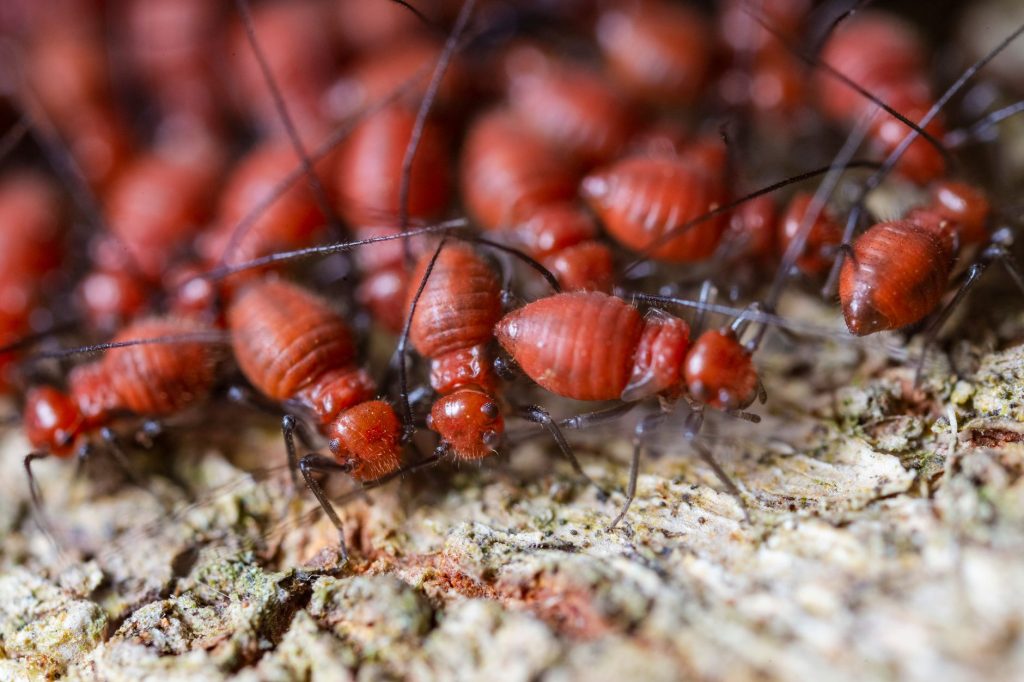
Termite in house can cause costly problems when early signs are missed. Learn the signs, risks, and when to call ClearDefense Pest Control.
Key Takeaways About Termites in Your House
- Spotting a termite in house walls or near the foundation often starts with noticing a swarm or finding damage during a renovation, since these insects rarely come out into the open on their own.
- Structural damage from termites builds over months or years, so early awareness and routine monitoring give you the best chance to address a problem before costly repairs become necessary.
- A preventive approach, including bait stations installed around your foundation and inspected on a regular schedule, can target a termite colony before it reaches your home’s wood.
- Telling termite swarmers apart from winged ants is one of the most important identification steps, because the two look similar but call for very different responses.
How to Identify Termites in Your House
Knowing the signs of a termite in house starts with understanding what you are looking at. Swarmers are often the first visible clue that an infestation exists, yet many homeowners confuse them with winged ants. According to Purdue Extension, the main challenge is distinguishing swarmer termites from winged ants, which pose no real threat to your home.
How to Tell Termite Types Apart in Your House
Eastern subterranean termites feed along the grain of wood. They consume the softer springwood and leave the harder summerwood behind. This creates a layered, almost honeycombed pattern inside damaged wood.
That distinctive feeding pattern can confirm subterranean termite activity and distinguish it from other species. If you pull apart a piece of damaged trim or framing and see thin layers of intact wood alternating with hollowed galleries, subterranean termites are the likely cause.
How to Spot Termite Activity Inside Your Home
Look for wood that sounds hollow when tapped. When you break into damaged wood, you August find signs such as light-brown excrement deposited inside the cavities by some species. This residue is easy to overlook but it can confirm active feeding.
Mud tubes running along interior walls or floor joists are another strong sign. If you break a mud tube open, you August see live workers and soldiers moving through it. Finding live termites inside those tubes confirms the colony is using that path.
Where Termite Activity Shows Up Around Your Home
Termite signs tend to appear where wood contacts or sits close to soil. Areas near your foundation, crawl spaces, and anywhere moisture collects are worth checking. Subterranean termites build mud tubes to travel between the soil and wood they are feeding on.
Inside, watch for discarded swarmer wings near windowsills or light fixtures. Swarmers are often the first visible sign that an infestation is present in or near the structure.
Exterior Entry Points Termites Use Around Your Home
On the outside of your home, mud tubes August run up foundation walls. These pencil-width tubes bridge the gap between the ground and any wood the colony is targeting. Breaking a tube and finding workers and soldiers confirms an active connection.
ClearDefense installs bait stations at regular intervals around the foundation, focusing on areas near wood-to-soil contact or moisture sources. Service professionals check those stations for signs of termite feeding and document observations in a Defense Report for you.
Why Termite Problems Develop in Houses
Termite colonies can grow from several hundred to several million individuals at maturity. Understanding what draws them toward your home helps you stay alert. Because subterranean termites are soft-bodied and require moisture to survive, their colonies follow moisture gradients through the soil as they search for new food sources.
Outdoor Nesting Areas for Termites Around Your Home
Subterranean termite colonies are located in the soil, where consistent moisture keeps the soft-bodied workers alive. According to Kansas State University Extension, colonies typically follow a moisture gradient as they expand outward from the nest. Any area around your home where soil stays damp can support nearby colony activity.
Native subterranean termite species begin swarming as early as January and are mostly finished by early June. They swarm in the morning or early afternoon and are not attracted to lights. Seeing swarmers near your foundation is one of the few visible signs of a colony nearby.
Food and Shelter That Attract Termites Around Your Home
Wood-to-soil contact near your foundation gives termites direct access to a food source without exposing themselves to open air. According to the EPA, they rarely emerge from soil, mud tubes, or the food sources through which they are tunneling. This hidden feeding behavior is why most people are unaware they have termites until they see a swarm or discover damage during construction.
How Termites Move Around Your Home
Termites can excavate passageways through the soil to reach additional food sources beyond their original nest. These underground tunnels let a colony extend its foraging range without surfacing. Even a small change in soil conditions around your home can redirect foraging activity toward the structure.
Trails and Entry Points Termites Use in Your House
Where soil meets your foundation, subterranean termites build mud tubes that bridge the gap between their underground tunnels and wooden components of the house. These sheltered pathways are their primary route inside.
Eastern subterranean termite colonies have soldiers making up less than 5% of the total colony size. The vast majority are workers, constantly foraging and expanding tunnel networks. Preventative monitoring around the foundation is one reason ClearDefense installs bait stations at regular intervals.
Risks From Termites in Your House
Structural Risks From Termites in Your House
Termite workers are the caste responsible for structural damage. These white, soft-bodied insects consume the springwood layers inside wood, hollowing it out from the inside. Over time, this feeding can compromise framing, support beams, and other load-bearing components in your home.
Subterranean termites can leave only a thin wooden exterior behind, according to the University of Georgia termite guide. That means structural damage August be well advanced before you notice anything wrong from the outside.
The good news is that termite damage does not happen overnight. According to Kansas State University Extension, a mature colony eats only about one-fifth of an ounce of wood per day. That slow pace gives you time to find the right treatment plan once termites are suspected or confirmed.
Hidden Termite Damage in Your Home
Because workers feed from the inside out, damage often stays hidden behind walls, floors, and trim. Subterranean termites build earth-hardened shelter tubes from a mix of saliva, soil, and bits of wood or drywall. Spotting these tubes along your foundation or interior walls is one of the clearest signs of an active problem.
Swarmers, the winged termites you August see near windows in spring, do not consume wood themselves. Their presence signals a colony nearby, but the actual feeding damage is done by workers you rarely see without opening a wall or lifting a board.
Belongings and Moisture Risks From Termites in Your House
Drywood termites pose a different kind of risk. Unlike subterranean species, they require no soil contact or liquid moisture. They get all the moisture they need from the wood itself and their own metabolic processes. This allows them to infest items well above ground level, including furniture and picture frames.
A common sign of drywood termite activity is tiny, uniform-sized fecal pellets, called frass, about the size of a grain of sand. These pellets typically collect on a flat surface directly beneath the infested wood. Finding frass near furniture or woodwork is worth investigating right away.
When a Termite Problem in the House Needs Action
Shelter tubes on a foundation wall, frass beneath wood trim, or hollow-sounding boards all point to a problem that deserves attention. Because structural damage builds slowly, you have time to evaluate your options rather than rush into a decision.
Still, waiting too long allows workers to continue feeding and expanding the nest. If you suspect termites, a thorough inspection is the first step toward choosing the right treatment plan for your situation.
Professional Pest Control for Termite in House
Dealing with a termite in house situations goes beyond a weekend project. Homeowners can replace damaged wood and correct conditions that invite subterranean termite infestation. However, treatment with registered products is highly regulated and requires a licensed pest control professional, according to UC IPM.
Professional pest control providers have access to products that can kill termite colonies and the training to avoid property damage during the process. That combination of access and skill is why termite treatment typically belongs in professional hands.
How to Reduce Attractants for Termite in House
Homeowners can reduce wood-to-soil contact around the foundation and address moisture sources as practical starting points. These actions do not replace professional treatment, but they can make your property less inviting to foraging colonies.
ClearDefense uses a prevention-first IPM approach. When our technicians install the Trelona Advanced Termite Bait System, they use termite activity data to determine station placement around your home.
Why Termite Control Starts With Inspection
A thorough inspection is the first step in any termite treatment plan. A licensed professional needs to assess activity levels, locate entry points near your foundation, and decide on the right approach. Without that inspection, treatment August miss the core of an infestation entirely.
At ClearDefense, every home that does not have preventative termite treatment will eventually have termites. That is why our service includes annual inspections of bait stations. Technicians check for signs of termite feeding, replace depleted bait, and document observations for you.
What to Expect During Professional Termite Treatment
Pest control professionals typically treat your foundation and nearby soil, or they use bait to address termite colonies. According to Oregon State University Solve Pest Problems, termite baits use less product than other methods for termite control, making them a lower-impact option for your property.
ClearDefense installs the Trelona Advanced Termite Bait System at regular intervals around your foundation, approximately every 10 to 20 linear feet as recommended by BASF. Each station comes pre-loaded with two Termite Bait Cartridges. The active ingredient, Novaluron, prevents termites from molting. Worker termites consume the bait and bring it back to other colony members.
Colonies can be affected in as quickly as 15 to 45 days with the Trelona system because the active ingredient is transferred among worker termites.
What to Expect From a House Termite Control Plan
A proper termite control plan is ongoing, not a one-time fix. The bait in Trelona stations remains active for 2 to 4 years under typical conditions. When it is time, ClearDefense technicians replace the bait so stations stay functional.
During each visit, our technicians explain the system and provide educational materials to help you recognize signs of termite activity between inspections. Every finding and every product used is recorded in a Defense Report so you have full documentation of your home’s termite treatment history.
ClearDefense believes termite bait stations are the most practical preventative option for subterranean termites. The program is priced by square footage, starting at $400 for installation and $35 per month when added to general pest control.
Termite in House: Bottom Line
Finding a termite in house framing or near your foundation is a problem worth addressing quickly, even though the damage itself develops over time. Keeping wood away from soil contact and staying alert for mud tubes or swarmers are the most practical steps you can take on your own. Professional treatment is the next move when you suspect activity, since product applications for termites require a licensed professional. ClearDefense Pest Control installs the Trelona Advanced Termite Bait System around your foundation and inspects stations annually.
Request a quote to get started.
Frequently Asked Questions About Termite in House
How Do I Know If I Have Termites?
The most common first sign is a swarm of winged insects inside or near your home. You August also notice earthen tubes running along walls, floors, or foundation surfaces. You August also find damaged wood that feels soft or hollow when tapped, which can indicate termite feeding.
What Kind of Termites Does ClearDefense Treat?
ClearDefense treats Eastern or Native Subterranean Termites. These are the subterranean species whose colonies develop in soil and enter homes through foundation cracks, expansion joints, or wood that contacts the ground. ClearDefense does not offer pretreatments at this time.
How Does the Bait Station System Work?
ClearDefense installs Trelona stations at intervals of approximately every 10 to 20 linear feet around your foundation. Each station comes pre-loaded with two bait cartridges. Technicians check for signs of feeding, replace depleted bait as needed, and document observations during each annual inspection. The bait can remain active for two to four years under typical conditions before replacement is needed.
Can I Handle a Termite Problem on My Own?
Homeowners can correct conditions that attract termites, such as reducing wood-to-soil contact. However, applying registered treatment products is regulated and requires a licensed pest control professional. A recurring monitoring program gives you ongoing visibility into termite activity around your home rather than a one-time check.