
You turn on the bathroom light and notice a small silver insect dart beneath the vanity. A few nights later, another one slips behind a baseboard near the laundry room. Finding silverfish in Austin homes often starts with quick sightings that are easy to dismiss.
Silverfish do not bite or sting, but they are not harmless houseguests. They feed on paper, adhesives, cardboard, fabric finishes, and certain dry foods. Their presence can also signal excess humidity, a plumbing leak, poor ventilation, or another moisture issue hidden inside the house.
Catching the insects you see will not solve the full problem. Effective silverfish prevention starts with finding the conditions that support them. Once you know what attracts silverfish, where they hide, and what signs they leave behind, you can make your home far less inviting.
How to Identify Silverfish in Austin Homes
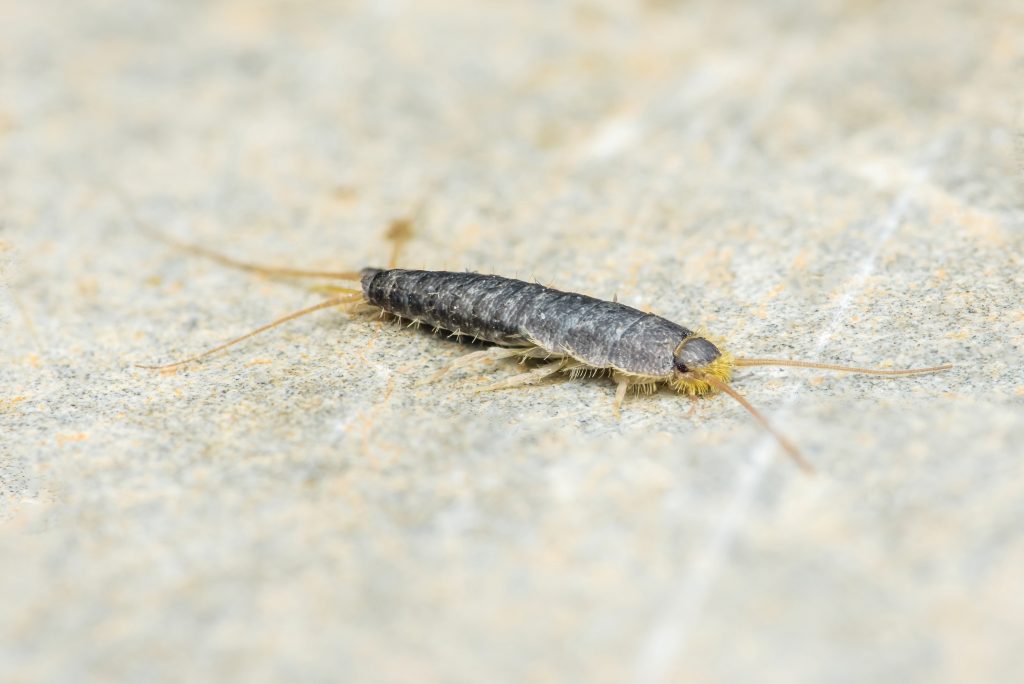
Silverfish are wingless insects with flattened bodies that taper toward the rear. Adults are usually silver or gray and measure about one-half inch to one inch long. They have two long antennae at the head and three thin, tail-like appendages at the opposite end.
Their movement is often the easiest feature to recognize. Silverfish run quickly with a side-to-side motion that resembles a swimming fish. Since they avoid light, homeowners are most likely to see them after opening a dark cabinet, moving a storage box, or switching on a light at night.
Silverfish are sometimes confused with firebrats. The insects have similar body shapes, but they prefer different conditions. Identifying the right pest can help you locate the source of the activity.
| Feature | Silverfish | Firebrats |
| Color | Silver, gray, or metallic | Brown or gray with mottled markings |
| Preferred temperature | Cooler indoor areas | Hot utility areas |
| Common locations | Bathrooms, closets, bookcases, and cabinets | Attics, boiler rooms, ovens, dryers, and water heaters |
| Movement | Fast and fish-like | Fast and similar to silverfish |
| Body shape | Tapered with three rear filaments | Tapered with three rear filaments |
A firebrat near a furnace requires a different inspection path than a silverfish beneath a bathroom sink. Both insects favor protected spaces, but heat is a much stronger factor for firebrats.
What Causes Silverfish in Austin Homes?
Silverfish settle in places that provide moisture, darkness, shelter, and food. A home does not need to be dirty to attract them. A clean bathroom with a slow pipe leak can support silverfish just as easily as a cluttered garage with damp cardboard boxes.
Austin’s climate can contribute to the conditions they favor. The National Weather Service Austin climate summary classifies the area as humid subtropical and reports average annual rainfall of about 35.5 inches. August, October, and June are usually the wettest months, which can expose roof leaks, drainage problems, and moisture around foundations.
Outdoor humidity alone does not cause an indoor infestation. The trouble begins when moisture collects inside bathrooms, laundry rooms, wall cavities, attics, or storage spaces. Poor ventilation and hidden leaks can keep these areas damp long after the weather outside has changed.
Plumbing Leaks and Condensation
A slow leak beneath a sink August soak wood, drywall, or cabinet backing without leaving a visible puddle. Loose toilet seals, dripping supply lines, cracked grout, and damaged caulk can create similar problems. Silverfish August hide only a few inches from the moisture source.
Condensation can be just as inviting. Cold pipes, air conditioning ducts, and poorly insulated vents sometimes collect moisture during Austin’s long cooling season. A clogged HVAC drain line August also create damp conditions in a closet, attic, or utility space.
High Indoor Humidity
Silverfish need more humidity than most homeowners realize. According to Texas A&M AgriLife Extension, they prefer temperatures from 70 to 80 degrees Fahrenheit and relative humidity from 75 to 95 percent. Their eggs August hatch in about 40 days at 70 degrees and about 20 days near 90 degrees.
Those conditions August develop in a poorly ventilated bathroom after regular showers. They can also occur inside damp wall voids, enclosed cabinets, laundry areas, and attic spaces. The rest of the home August feel comfortable while a hidden pocket remains humid enough for silverfish.
Accessible Food and Shelter
Silverfish eat materials rich in starch, sugars, cellulose, and protein. Paper, wallpaper paste, book bindings, cardboard, flour, cereal, fabric sizing, and dead insects can all serve as food. Dust and organic debris August support them in spaces that appear empty.
They also need quiet shelter. Stacks of files, stored magazines, boxes, loose wallpaper, and crowded closets provide narrow hiding places that remain undisturbed for weeks. Moist cardboard is especially attractive because it provides shelter, food, and retained humidity in one location.
Where Silverfish Hide Inside Austin Houses
Silverfish spend most daylight hours inside cracks and protected spaces. Their flat bodies allow them to move behind trim, beneath cabinets, through plumbing openings, and inside gaps that are difficult to inspect.
Finding one in a bathtub does not mean it lives in the drain. The smooth surface August have trapped an insect that entered from a wall opening, cabinet gap, or nearby baseboard. The hiding place is often close, but not always in plain sight.
Bathrooms and laundry rooms are common activity zones because water is regularly present. Sink cabinets deserve close attention, especially around openings where supply and drain lines enter the wall. Dark staining, warped material, or a musty odor can point to a leak that needs repair.
Attics present a different challenge. A small roof leak, damp insulation, or sweating duct can create a hidden moisture source. Silverfish August also move from an attic into upper-floor closets, bathrooms, and wall cavities.
Garages often contain ideal shelter. Cardboard boxes absorb humidity and remain untouched for long periods. A worn garage door seal can let damp outdoor air and insects enter along the floor.
What Silverfish Eat and Damage
Silverfish feed by scraping the surface of a material. Instead of leaving a single round hole, they August create irregular patches, notched edges, or thinned areas. The damage can be easy to overlook until several pages, garments, or sections of wallpaper are affected.
Books and stored documents are common targets. Silverfish August feed on paper, binding glue, labels, and adhesive used in older books. Photographs, certificates, tax files, and children’s artwork can also be at risk when stored in damp boxes.
Wallpaper August loosen when silverfish feed on paste behind the surface. Clothing can develop small marks when the insects consume fabric finishes or food stains. Cotton, linen, rayon, and other materials kept in humid closets August be more vulnerable than clothing that is frequently used and washed.
Pantry goods can also attract silverfish. Flour, oats, cereal, pasta, and pet food should be checked when activity occurs in a kitchen. Products with damaged packaging, insect debris, shed skins, or visible contamination should be discarded.
Silverfish can survive through long stretches with little food. Penn State Extension reports that they August live for more than 300 days without food when water remains available. That survival ability is one reason moisture correction matters more than simply removing a few boxes or vacuuming visible insects.
Signs of a Silverfish Infestation
A live silverfish is the clearest sign of activity, but sightings can be brief. These insects move at night and return to hidden spaces quickly. You August notice damage or debris before you see more than one insect.
Check books, papers, wallpaper, and cardboard for scraped surfaces or irregular holes. Silverfish damage often looks rough rather than cleanly cut. Paper August also develop small yellow stains in areas where the insects have been active.
Shed skins are another clue. Silverfish continue molting after they reach adulthood, so thin cast skins August collect near baseboards, shelves, and stored items. Tiny dark droppings can also appear close to feeding or hiding areas.
Repeated sightings matter more than a single encounter. Finding silverfish in several rooms, on multiple floors, or during daytime hours August point to an established population. Daytime activity can mean that hiding spaces are crowded or that the insects have been disturbed.
Sticky monitoring traps can help narrow down the source. Place them against walls near vanities, laundry appliances, bookcases, closets, and stored boxes. They are useful for tracking activity, but they will not remove the moisture and shelter that allow the infestation to continue.
How to Prevent Silverfish in Austin Homes
Prevention works best when it removes moisture, food, shelter, and access at the same time. Treating only one part of the problem August reduce sightings for a while, but it leaves other conditions unchanged.
Start near the rooms where silverfish have appeared. Work outward from bathrooms, kitchens, laundry rooms, closets, and storage areas. The table below shows which steps deserve attention first.
1. Fix Moisture Before Treating Visible Insects
Repair plumbing and roof leaks as soon as they appear. Check beneath sinks after running water, and inspect washing machine hoses for slow drips. Water stains, swollen cabinet panels, peeling paint, and soft drywall should not be ignored.
Run bathroom exhaust fans during showers and for a period afterward. Make sure the fan vents outdoors instead of releasing humid air into the attic. A dehumidifier can help in a persistently damp room, but it should support repairs rather than replace them.
2. Make Storage Less Attractive
Move books, paper files, and photographs out of damp garages or attics when possible. Store valuable items in sealed containers and keep bins off concrete floors. Leave a small amount of space between storage units and walls so you can inspect and clean behind them.
Discard empty cardboard boxes you do not need. For long-term storage, use clean plastic bins with fitted lids. Avoid packing damp towels, clothing, or seasonal decorations before they are fully dry.
3. Seal Cracks and Travel Routes
Inspect openings around plumbing pipes, utility lines, baseboards, door frames, and window trim. Seal accessible gaps with an appropriate material. Replace worn door sweeps and repair garage door seals that no longer meet the floor.
Sealing reduces movement but August not eliminate insects already living in wall voids. Pair exclusion with moisture correction and monitoring. That combination addresses both the current activity and the conditions that could support another population.
When Professional Silverfish Control Makes Sense
Consider professional service when silverfish continue appearing after leaks, humidity, and storage problems have been corrected. Activity across several rooms August mean the insects are traveling through wall voids, plumbing routes, attic spaces, or other protected areas.
A proper inspection should focus on more than the insect itself. The technician needs to examine likely moisture sources, feeding materials, travel paths, and hidden shelter. That information allows products and materials to be applied with precision instead of covering every surface unnecessarily.
Professional help is also useful when valuable belongings are being damaged. Books, records, artwork, photographs, and stored textiles can be difficult or expensive to replace. Early action can limit further feeding while the conditions supporting the population are corrected.
ClearDefense Pest Control uses treatment methods based on pest behavior, habitat, and lifecycle. Technicians focus on damp-prone areas, cracks, baseboards, plumbing routes, and other places silverfish use while moving through the home. Ongoing service can also catch renewed activity before it spreads into additional rooms.
Keep Silverfish From Settling Into Your Austin Home
Silverfish remain inside a home when they can find moisture, food, and protected shelter. Austin’s humid periods can add to the problem, but indoor leaks, poor ventilation, and damp storage are usually the conditions homeowners can control.
Begin with the source. Repair leaks, lower humidity, protect paper and pantry goods, remove unused cardboard, and seal accessible gaps. Each step removes something silverfish need, which makes long-term prevention more effective than chasing the insects you happen to see.
When silverfish in Austin homes keep returning, ClearDefense Pest Control can inspect the areas they favor and provide targeted treatment. Addressing both the insects and the conditions behind them gives your home stronger protection through every season.