
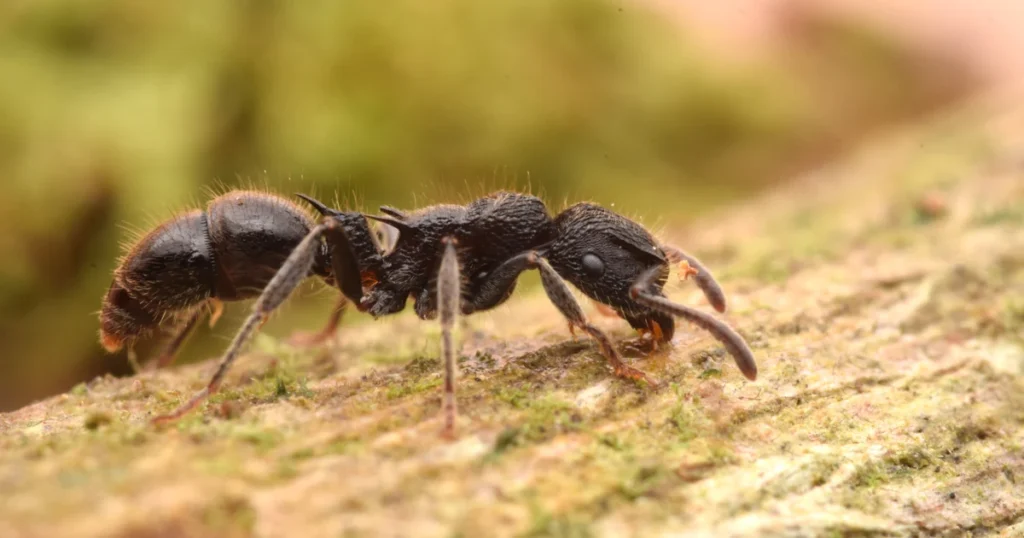
If you live in Nashville, TN, you’ve probably noticed ants don’t show up randomly. One week, the kitchen is clean; the next, there’s a trail along the baseboard.
These changes are not random. They follow seasonal patterns tied to weather conditions, food sources, and the local ecosystem.
This guide covers when ants get active in Nashville, why they come indoors, and what actually works to keep them out.
Key Takeaways
- Ant activity in Nashville follows seasonal patterns, with spring and summer bringing the highest activity levels.
- Indoor ant infestations rise when the weather shifts, food sources drop, or moisture builds up.
- Different species, including carpenter ants and odorous house ants, adjust their behavior based on conditions.
- Routine prevention handles most problems. Recurring infestations need a professional.
How Ant Activity Changes Through the Year in Nashville
Seasonal ant activity patterns in Nashville shift with weather patterns, moisture levels, and the local ecosystem. Small fluctuations in temperature or rain can change how ants move and where they gather.
These changes affect ant colonies, nesting sites, and how worker ants search for food sources.
Spring: Colony Growth and Rising Foraging Activity
Spring brings a quick rise in activity levels. Ant colonies grow, and worker ants increase foraging activity. You may see trails near sidewalks, patios, and foundations.
Spring rain is the bigger issue.
Nashville's clay-heavy soil holds water long after storms pass, which pushes carpenter ants and pavement ants closer to foundations and crawl spaces. If your home has drainage problems, this is when they show up.
Summer: Peak Ant Season and Visible Infestations
Summer is peak ant season. Warm weather and steady food availability help ant populations grow fast. This is when most infestations are easy to spot.
You may notice different species of ants, such as odorous house ants, fire ants, and Argentine ants, in your yard.
Indoors, ants search for food sources like crumbs and pet food. This often brings ants into kitchens and storage areas.
Fall: Ant Invasions and Food Storage
As nights cool down in October and November, ant behavior changes. Colonies start storing food and looking for protected nesting spots. That's often inside walls, behind insulation, or in crawl spaces.
Ants often move into wall voids or damp wood. Homes with moisture problems or unsealed entry points get hit hardest. Once a colony settles in for winter, you may not see them again until spring, but they're there.
Winter: Lower Outdoor Activity but Indoor Presence
During colder months, when average daytime temperatures often stay near or below 50°F, outdoor movement slows. Many ant species still stay active indoors.
Heated wall voids, leaks under sinks, and pantries with steady food keep colonies active through January and February. Most winter ant calls in Nashville come from homes that didn't realize they had a problem until the kitchen warmed up.
When Seasonal Ant Activity Becomes More Noticeable Indoors
Ants often become more noticeable when they move inside. This shift happens when weather conditions or food availability change.
Temperature Changes Push Ants Indoors
Hot summers and cold weather push ants to look for stable spaces. Indoor movement August increase because homes offer steady temperatures that support nesting.
Limited Food Sources Drive Ants Inside
Late summer drought and fall die-back cut the outdoor food.
Indoor crumbs, pet bowls, and sealed-but-sticky containers become the next best target. Worker ants leave a pheromone trail back to the nest, which is why one ant becomes fifty within a day.
Moisture Creates Places to Nest
This is the one most homeowners miss. Damp crawl spaces, slow leaks, and poor airflow create ideal nesting conditions, especially for carpenter ants. The same conditions also attract termites, so it's worth checking either way.
Entry Points Allow Easy Access
Small gaps around doors and windows act as entry points. Ants use these openings to move inside.
Sealing these areas helps reduce infestations and limits access to nesting sites.
How Nashville Homeowners Can Respond Each Season
A simple plan helps reduce ant problems. Homeowners who adjust their approach each season can limit issues over time.
Stop Colonies Early
Spring is the best time to act. Seal cracks and entry points before activity rises. Remove debris and trim plants near your home. Use baits early to control colonies before they grow.
Reduce Food and Attractants
During peak ant season, focus on food control. Store food in airtight containers and clean surfaces often. Avoid leaving pet food out overnight. Keep trash sealed and watch for visible ants.
Fix Moisture and Nesting Areas
Fix moisture issues before colonies move in. Repair leaks, clean gutters, and improve crawl space ventilation. Inspect wall voids and damp areas for early nesting signs.
Monitor Indoor Spaces
Movement August slow, but it does not stop. Keep your house clean and check problem areas.
DIY steps can help, but ongoing issues August need stronger pest management support.
Schedule a Nashville Ant Inspection
DIY works for occasional ants. It doesn't work for repeat infestations, carpenter ants in structural wood, or colonies inside walls.
ClearDefense Pest Control provides ongoing pest control designed around how ants live, move, and build nests. A trained exterminator will inspect your home to identify entry points, nesting sites, and conditions that attract ants. From there, we will apply targeted ant control treatments to reduce activity and stop future infestations.
If you’re tired of seeing ants come back each season, contact us to schedule an inspection and get a plan tailored to your home. With a consistent pest management plan, you can keep ant populations under control and protect your home year-round.
FAQs
When is the ant season worst in Nashville?
Late April through August. Activity peaks in June and August when humidity stays high.
Do ants stay active during colder months?
Yes. Many species of ants stay active indoors during colder months, especially in heated spaces with steady food sources.
How can homeowners prevent ant infestations?
Seal entry points, store food in airtight containers, reduce moisture, and use pest control to manage infestations.