
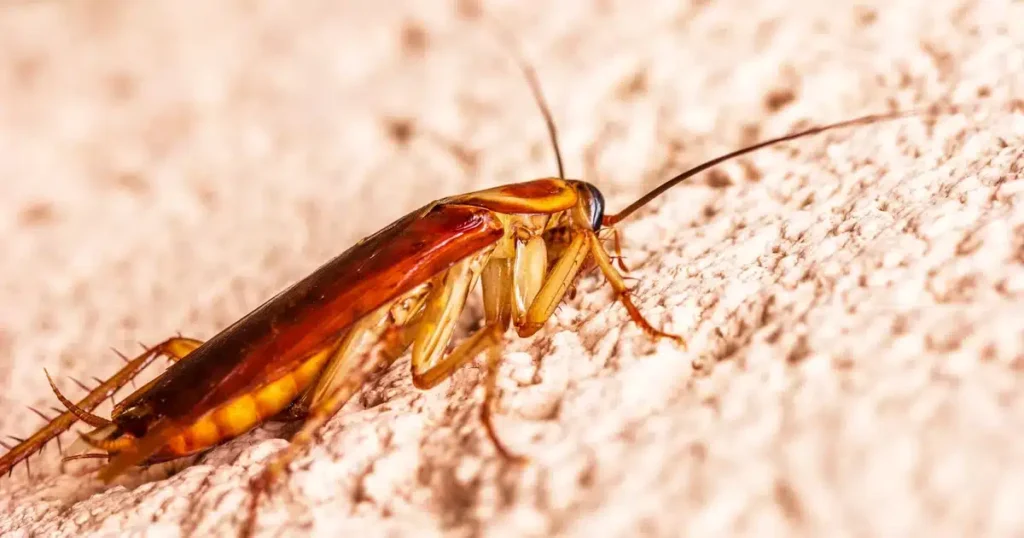
Florida has more roach species than almost any other U.S. state, and Jacksonville homeowners deal with several of them year-round. The warm, humid climate that makes Florida appealing to people makes it even more appealing to cockroaches. Knowing which species you’re dealing with changes how you treat the problem.
Key Takeaways
- Florida is home to at least eight common cockroach species, each with distinct behavior and preferred habitat.
- American cockroaches (palmetto bugs) are the most common large roach found in Florida homes.
- Roaches contaminate food, spread bacteria, and trigger asthma attacks and allergic reactions through shed skins and fecal matter.
- Non-German species respond to granular treatments; German roaches require an insect growth regulator and a structured follow-up plan.
- Prevention through sanitation, moisture control, and exterior sealing reduces roach pressure more than any single treatment.
Most Common Roaches in Florida Homes
Most of the roaches that turn up in Florida homes are outdoor species that wander in through gaps, drains, and utility penetrations. Only a couple actually settle indoors, and one of those is the hardest species in the state to control. Match size, color, and where you found it against the profiles below.
American cockroach palmetto bug
Low riskSmokybrown cockroach
Low riskFlorida woods cockroach stinking cockroach
Low riskAsian cockroach
Low riskAustralian cockroach
Low riskBrown-banded cockroach
Low riskGerman cockroach
High riskMost non-German species respond to granular treatments on the exterior perimeter. German roaches need a different approach — an insect growth regulator to interrupt the reproductive cycle — so confirming the species comes before choosing a plan.
Florida is home to eight cockroach species that enter residential structures. Most are outdoor roaches that wander inside through gaps, drains, and utility penetrations. Understanding each species tells you where to look and how to respond.
American Cockroach (Palmetto Bug) in Florida
Palmetto bugs are the largest roaches in Florida homes, ranging from 1¼ to 2⅛ inches long. They have reddish-brown oval bodies, long antennae, spiny legs, and a yellowish figure-8 pattern on the back of their heads. Despite having wings as adults, they prefer crawling. They live outdoors in mulch piles, palm trees, and leaf litter, but move inside through plumbing, drains, and foundation gaps when temperatures spike or rainfall floods their habitat.
Smokybrown Cockroaches in Florida Yards and Attics
Smokybrown cockroaches are reddish-brown to black and measure 1¼ to 1½ inches long. They are strong fliers and attracted to porch lights at night. In Florida, these roaches prefer tree bark, tree branches, and humid environments around the exterior of the home. They enter through attic vents, crawl spaces, and gaps along the roofline. Smokybrown roaches are one of the most common outdoor roaches found climbing exterior walls in South Florida.
Florida Woods Cockroach: The Stinking Cockroach in Florida
The Florida woods cockroach, sometimes called the stinking cockroach, is reddish-brown to black and ranges from 1 to 1½ inches long. Unlike other cockroaches with functional wings, winged adults in this species have only vestigial wing stubs. When threatened, it releases a foul-smelling secretion, which is how it earned its nickname. The Florida woods roach lives outdoors in decaying wood, leaf litter, and mulch. It rarely infests the interior but becomes a nuisance around porches and garages.
Asian Cockroaches in Florida: Outdoor Roaches That Fly
Asian cockroaches look nearly identical to German cockroaches but behave very differently. They are tan, narrow roaches just over ½ inch long with two dark bands on the head shield. Where German roaches avoid flying, Asian cockroaches fly short distances and are attracted to light. They live outdoors in leaf litter, mulch, and ground cover, and they enter homes through open doors and windows at night. In Florida, they are common throughout Central and South Florida.
Australian Cockroaches in Florida Gardens
Australian cockroaches are dark brown with a yellow band around the edge of the top of their head and grow to between 9/10 and 1¼ inches long. They prefer warm, humid outdoor environments and feed on plant material. Australian cockroaches are commonly found in Florida gardens, greenhouses, and wood piles. They enter homes through gaps around windows and doors, and they are often confused with American cockroaches because of their similar coloring and size.
Brown-Banded Cockroaches in Florida: Small Roaches Indoors
Brown-banded cockroaches are small roaches, about ½ inch long, identified by a light brown band across the top of their heads. Unlike most Florida cockroach species, brown-banded roaches prefer dry indoor environments. They avoid kitchens and bathrooms, where moisture concentrates, and instead hide in bedrooms, living rooms, and inside electronics, cardboard boxes, and furniture. They lay eggs in clustered cases attached to walls and furniture. Because they scatter throughout the home, they are harder to control than species that cluster near moisture.
German Roaches in Florida: The Hardest to Control
German cockroaches are about ½ to 5/8 of an inch long, light brown to tan with two dark parallel stripes on their backs. They are the most challenging cockroach species in Florida because they reproduce indoors at a rate that outpaces most outdoor species and resist many standard granular treatments. German roaches require an insect growth regulator (IGR) to stop their reproductive cycle. ClearDefense treats German roach infestations with an initial service plus a two-week follow-up, and a fourth-week visit is provided at no extra cost if the technician determines one is necessary. After the active infestation is addressed, quarterly service takes effect.
Why Roaches in Florida Enter Homes Year-Round
Florida’s climate gives roaches almost no off-season. Most other states see cockroach activity drop during winter. In Florida, warmth and humidity persist twelve months a year, which means roach populations stay active and continue reproducing. Rain events drive outdoor species like palmetto bugs and smokybrown roaches out of saturated mulch and leaf litter and into the nearest dry structure. That structure is often your home.
Roaches enter through gaps in the foundation, plumbing penetrations, attic vents, door sweeps that no longer seal, and cracks in exterior walls. They also enter through cardboard boxes brought in from garages or deliveries. Once inside, they find food debris, food scraps, pet food left in open bowls, and moisture sources around leaky pipes. These conditions are enough to sustain an indoor population indefinitely.
Health Risks from Florida Cockroach Infestations
Roaches spread bacteria and contaminate food on every surface they cross. Cockroaches consume rotting, bacteria-laden organic matter and then walk across countertops, kitchen tables, and stored food, depositing pathogens as they go. Diseases linked to cockroach contact include Salmonellosis, Typhoid Fever, Dysentery, Cholera, Gastroenteritis, and Plague.
Beyond foodborne illness, cockroach infestations trigger allergies and asthma attacks. Roaches release particulates into the air through shed skins and fecal matter, and these particles function as airborne allergens. According to the CDC, cockroach allergens are a significant trigger for asthma, particularly in urban environments. The problem worsens as a roach infestation grows, because more roaches mean more shed material cycling through your home’s air.
How to Prevent Roaches in Florida Homes
Sanitation is the most effective prevention tool for Florida roaches. Wash dishes daily. Store food in sealed containers rather than leaving it on counters. Pull out and clean behind kitchen stoves and large appliances regularly, where food debris accumulates unseen. Limit food consumption to the kitchen and dining areas to prevent crumbs from spreading through the home. Remove pet food bowls overnight. Take garbage out daily and store it in containers with locking lids.
Moisture control matters just as much as food control. Repair plumbing leaks under sinks and around appliances. Keep gutters and downspouts clear so water doesn’t pool around the foundation. Seal openings in exterior walls, around utility penetrations, and along the foundation. Place covers on vents and drains. Make sure garage door seals close without gaps. Remove leaf litter, mulch, and decaying wood from the perimeter of the home, since these are preferred habitat for most outdoor cockroach species in Florida.
Professional Pest Control for Roaches in Florida
Most non-German cockroach species in Florida respond to granular treatments applied to the exterior perimeter. A recurring service that targets entry points and outdoor harborage cuts the number of roaches reaching your interior over time. ClearDefense’s prevention-first approach, guided by the EPA’s integrated pest management (IPM) framework, prioritizes reducing the conditions that attract roaches before reaching for any treatment product.
German roaches require a different approach. Because they reproduce faster than outdoor species and develop indoors where granular perimeter treatments don’t reach them, an insect growth regulator is necessary to interrupt the reproductive cycle. Gel bait placed in targeted locations complements the IGR by drawing roaches out of harborage. The combination of an IGR and follow-up visits is what separates a temporary knockdown from actual population control.
ClearDefense provides documented Defense Reports after every visit, listing every product used and every finding from that service call. This transparency lets you track what was treated, where, and why, so ongoing pest control decisions are grounded in data rather than guesswork.
Bottom Line on Roaches in Florida Homes
Florida’s heat and humidity create near-perfect conditions for cockroaches year-round. Most species you’ll encounter around Jacksonville are outdoor roaches that enter opportunistically through gaps, drains, and utility penetrations. Sanitation, moisture control, and exterior sealing stop most roach pressure before it starts. When an active infestation exists, the right treatment depends entirely on the species. Get a quote and let a ClearDefense technician identify exactly what you’re dealing with before committing to a treatment plan.
Frequently Asked Questions
What is the most common cockroach in Florida homes?
The American cockroach, commonly called the palmetto bug, is the most common large roach in Florida homes. These reddish-brown roaches can reach over two inches in length and typically enter through drains, plumbing penetrations, and foundation gaps. They prefer warm, humid environments and are active year-round across the state.
Do roaches in Florida fly?
Several Florida cockroach species have functioning wings. Smokybrown cockroaches and Asian cockroaches fly and are attracted to porch lights at night. American cockroaches have wings but seldom use them, preferring to run. The Florida woods cockroach has only vestigial wing stubs and cannot fly at all. Winged adults in any species fly during hot, humid weather.
How do I know if I have German roaches or palmetto bugs?
Size is the easiest distinction. Palmetto bugs are large roaches, ranging from 1¼ to over 2 inches, with reddish-brown bodies and a yellow figure-8 marking on their heads. German cockroaches are small, under 5/8 of an inch, tan to light brown, with two dark stripes running behind their heads. German roaches are almost always found indoors near moisture and food, while palmetto bugs enter from outside through drains and gaps.
Are cockroach infestations in Florida dangerous?
Cockroach infestations pose real health risks. Roaches contaminate food and spread bacteria linked to Salmonellosis, Typhoid Fever, and other illnesses. Their shed skins and fecal matter release airborne particles that trigger allergic reactions and asthma attacks, particularly in children and people with respiratory conditions. Larger infestations produce more airborne allergens, compounding the health risk over time.
How often should I schedule pest control for roaches in Florida?
Quarterly service is the standard for ongoing roach prevention in Florida. The state’s climate keeps cockroach populations active year-round, so a one-time treatment seldom provides lasting results. Recurring visits maintain a treatment barrier around your home’s exterior and allow a technician to catch new activity before it develops into a full infestation.