
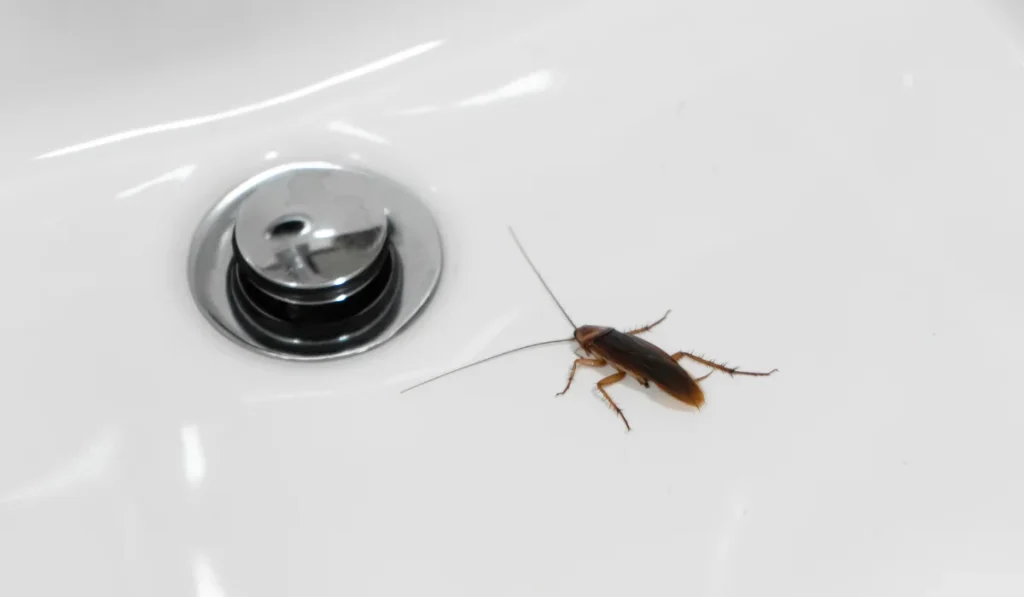
Seeing a cockroach in a clean home can feel confusing and frustrating. You May wipe counters daily, take out the trash regularly, and keep food stored carefully, yet still spot a roach near the sink, bathroom, laundry room, or garage.
Cleanliness matters, but it is only one part of cockroach prevention. Roaches also look for moisture, warmth, shelter, and entry points. A slow leak beneath a sink, condensation near an appliance, a gap around a pipe, or a cardboard box brought indoors can create an opportunity even when the rest of the home looks spotless.
For Nashville homeowners, the most useful response starts with inspection rather than blame. This guide explains why cockroaches may appear in a tidy home, which signs deserve attention, how species behavior changes the response, and when recurring activity August justify professional cockroach control.
Key Takeaways
- A clean home can still provide water, warmth, hiding places, or entry points.
- One roach sighting does not always confirm an indoor infestation. Some larger species August wander inside from outdoor areas.
- Small roaches, nymphs, egg cases, repeated trap captures, and recurring nighttime activity deserve closer attention.
- Inspect beneath sinks, behind appliances, around drains, inside cabinets, near pet-food areas, and along plumbing or utility gaps.
- Sticky traps can help show where activity is concentrated and whether roaches are entering from outside or hiding indoors.
- Fix leaks, remove crumbs and grease, reduce clutter, store food securely, and seal appropriate gaps.
- Do not rely on broad sprays or foggers. An integrated approach works better than treating visible insects alone.
- Request professional support when sightings continue, several rooms show activity, or the source remains difficult to identify.
A Clean Home Can Still Offer What Roaches Need
Cockroaches survive where they can find food, water, and shelter. Cleaning reduces the resources available to them, but it does not remove every possible source.
The UC IPM guide to cockroaches explains that successful prevention depends on reducing food and water sources as well as known and potential hiding places. It also notes that insecticide sprays alone will not eliminate cockroaches and that an integrated pest-management approach usually requires several methods.
Moisture can matter more than visible mess
A few drops of water beneath a sink, a slow dishwasher leak, condensation around plumbing, or dampness in a bathroom can help roaches remain active. Check the areas that stay hidden during routine cleaning.
Pay attention to stained cabinet floors, loose supply lines, damp bath mats, refrigerator water lines, and recurring moisture near drains or laundry appliances.
Small food sources can remain out of sight
A clean countertop does not rule out crumbs beneath a toaster, grease beside the stove, pet-food fragments near a bowl, or residue under a refrigerator. Roaches can find small food sources in areas that do not receive daily attention.
Move lightweight appliances during cleanup and inspect the edges where cabinets meet walls and floors.
Clutter creates shelter
Cardboard boxes, paper bags, stacked items, and crowded cabinets can create quiet spaces that remain undisturbed. Clutter does not mean a home is dirty. However, it can make inspection more difficult and give roaches additional places to hide.
Reduce unnecessary storage in kitchens, bathrooms, laundry rooms, garages, and utility areas.
Entry points can bypass good housekeeping
Roaches may enter through gaps around doors, windows, pipes, vents, utility lines, and foundation edges. Outdoor-associated species can move inside even when the home does not provide a major food source.
Cleaning helps, but exclusion matters too.
How Roaches Can Enter a Tidy Nashville Home
Not every cockroach begins inside the house. Some species wander in from outdoor areas, while others arrive in boxes, bags, appliances, or stored items.
Gaps around doors and windows
Check worn weather stripping, door sweeps, sliding-door tracks, window frames, and gaps around garage doors. A small opening can be enough for a roach to enter.
Plumbing and utility penetrations
Inspect the spaces where pipes, cables, and utility lines pass through walls, cabinets, and floors. These openings can create protected routes into kitchens, bathrooms, laundry rooms, and utility spaces.
Cardboard boxes and deliveries
Boxes, grocery bags, deliveries, and used appliances can occasionally carry cockroaches or egg cases indoors. Break down unnecessary cardboard promptly and inspect stored items before moving them into kitchens or pantries.
Outdoor shelter close to the structure
Leaf litter, mulch, firewood, dense vegetation, and damp debris near exterior walls can create protected outdoor spaces. Trim vegetation, move firewood away from the home, and keep the foundation edge visible enough to inspect.
Connected living spaces
In apartments, condos, townhomes, and other connected buildings, roaches may move through shared walls, utility routes, or plumbing areas. A clean unit can still experience activity when the broader building has an unresolved problem.
Notify the property manager when you live in a shared structure and sightings continue.
Which Cockroach Species may Appear in Nashville Homes?
Species identification matters because the best response depends on whether the roaches are breeding indoors or entering from outside.
German cockroaches
German cockroaches are small indoor pests commonly associated with kitchens, bathrooms, food-preparation areas, and connected wall voids. Adults are usually tan to light brown and have two dark stripes behind the head.
Repeated sightings of small roaches, nymphs, or egg cases deserve closer attention because German cockroaches can reproduce indoors.
American cockroaches
American cockroaches are larger and may appear in damp utility areas, crawl spaces, sewers, garages, or outdoor environments before wandering indoors.
One large roach does not automatically mean the home has an indoor-breeding colony. Repeated sightings still justify inspection.
Oriental cockroaches
Oriental cockroaches are dark brown or nearly black and are often associated with damp areas. They may appear near drains, crawl spaces, basements, utility areas, or exterior entry points.
Smokybrown cockroaches
Smokybrown cockroaches are outdoor-associated roaches that can move inside from protected exterior areas. Check rooflines, crawl spaces, mulch, leaf litter, and vegetation when larger roaches keep appearing indoors.
Brownbanded cockroaches
Brownbanded cockroaches can live indoors but are less closely tied to moisture than German cockroaches. They may appear in drier, higher areas such as cabinets, furniture, closets, and electronics.
Do not limit the inspection to the kitchen when activity appears elsewhere.
Signs That Deserve a Closer Look
A single sighting may be an isolated invader. Several signs in the same area provide stronger evidence of ongoing activity.
Repeated nighttime sightings
Cockroaches often hide during the day and become more active at night. Turn on the kitchen or bathroom light after the room has been quiet and note where insects move.
Their direction can help you identify a cabinet gap, plumbing opening, wall seam, or appliance area worth inspecting.
Small roaches or nymphs
Finding smaller roaches can be more concerning than seeing one large outdoor-associated roach. Nymphs August point to an indoor population nearby.
Droppings
Droppings may appear as dark specks or smears along cabinet edges, beneath sinks, behind appliances, inside drawers, or near protected cracks.
Wear gloves during cleanup and avoid spreading debris into other parts of the home.
Egg cases
Egg cases can indicate that cockroaches are reproducing or moving through the area. Look along hidden edges, behind appliances, beneath cabinets, and inside cluttered storage spaces.
Shed skins
Cockroaches shed their outer covering as they grow. Cast skins near hiding places can support a suspected identification.
Persistent odor
A musty or unpleasant odor can accompany heavier activity, but odor alone does not confirm the source. Look for physical evidence and trap captures.
How to Inspect a Clean Home for Hidden Roach Activity
A structured inspection can reveal the small moisture sources and hiding places that routine cleaning misses.
UC IPM recommends sticky traps because they help detect and monitor cockroach populations, identify the areas with the most activity, and evaluate whether a control plan is working. Traps should sit where cockroaches are likely to encounter them while foraging, especially along floor-and-wall junctions and close to suspected hiding places.
Step 1: Start with the kitchen
Inspect beneath the sink, around the trash can, behind the refrigerator, beside the stove, under the dishwasher edge, inside cabinets, and near pet-food storage.
Use a flashlight to check narrow seams and dark corners.
Step 2: Check bathrooms and laundry areas
Look beneath vanities, around toilet supply lines, near tubs and showers, beside washing machines, and around utility sinks.
Moisture can keep roaches active even when food is not nearby.
Step 3: Inspect the garage and utility spaces
Check cardboard storage, floor edges, water heaters, drains, garage-door gaps, and items stored against exterior walls.
Step 4: Place sticky traps
Place traps in dry, out-of-the-way areas along wall edges, beneath sinks, behind appliances, and near exterior doors. Keep them away from children, pets, and food-contact surfaces.
Number the traps and check them daily for several days so you can identify the areas with the most activity.
Step 5: Check exterior routes
Walk around the foundation and inspect door sweeps, vents, utility penetrations, mulch beds, crawl-space routes, and dense vegetation.
Step 6: Record what you find
Take photos and note the trap locations, species clues, moisture sources, and repeated sighting areas. This information can help a professional build a more targeted plan.
How to Make a Clean Home Less Attractive to Roaches
Fix leaks promptly
Repair dripping faucets, loose plumbing connections, dishwasher leaks, and refrigerator water-line issues. Dry the surrounding area after the repair.
Clean hidden food residue
Vacuum crumbs from floor edges, wipe grease beside appliances, clean pet-feeding areas, and remove food residue from trash-storage zones.
Store food securely
Use sturdy containers with tight-fitting lids for pantry items, pet food, and treats. Do not leave dirty dishes or food scraps accessible overnight.
Reduce cardboard and clutter
Break down delivery boxes promptly and remove paper bags or unnecessary stored items from kitchens, bathrooms, and utility spaces.
Seal appropriate gaps
Once you understand the activity pattern, close suitable openings around pipes, cabinets, doors, windows, vents, and utility lines. Repair worn door sweeps and weather stripping.
Maintain the exterior perimeter
Trim vegetation touching the home, remove leaf litter, move firewood away from exterior walls, and keep mulch from creating a damp, concealed route against the structure.
Continue monitoring
Keep checking sticky traps after you improve sanitation and exclusion. A decline in captures can show that the plan is working. Continued captures August reveal a hidden source.
What Not to Do When You See Roaches in a Clean Home
Do not blame housekeeping alone
A roach sighting does not prove that a home is dirty. Focus on the conditions supporting activity: moisture, shelter, entry points, outdoor pressure, and hidden food residue.
Do not rely on sprays alone
UC IPM states that insecticide sprays alone will not eliminate cockroaches. A stronger plan combines sanitation, exclusion, monitoring, and targeted treatment when needed.
Do not use foggers or roach bombs
Foggers and broad aerosols may not reach the cracks where roaches hide and can disperse insects into additional areas.
Do not spray around bait placements
When bait is part of a control plan, follow the product label and avoid applying repellent sprays nearby. Roaches need to encounter the bait for the strategy to work.
Do not ignore daytime sightings
A daytime roach sighting deserves closer attention, especially when you also find nymphs, egg cases, droppings, or repeated trap captures.
Do not treat food-contact surfaces casually
Do not apply pesticides to counters, dishes, food-storage areas, pet bowls, or other food-contact surfaces unless the product label specifically permits that use.
Health Concerns Linked to Cockroach Activity
Cockroach activity deserves attention even in a tidy home because debris left behind by roaches can affect indoor air quality for some people.
The EPA guidance on asthma triggers explains that droppings or body parts from cockroaches and other pests can trigger asthma. EPA also notes that proteins in cockroach feces and saliva can cause allergic reactions or trigger asthma symptoms in some individuals.
Clean accessible debris carefully
Wear gloves and remove droppings, egg cases, and shed material from accessible surfaces after the infestation has been addressed.
Reduce pesticide exposure
EPA recommends lower-risk pest-management methods where possible, along with clean counters, sinks, tables, and floors; prompt cleanup of dishes and spills; airtight food storage; and sealing cracks or cabinet openings.
When to Request Professional Cockroach Control
A single outdoor-associated roach may not require a major response. Professional support becomes more useful when activity continues, several areas show signs, or the source remains difficult to locate.
Consider requesting an inspection when:
- You continue seeing roaches after fixing leaks and cleaning hidden residue.
- Sticky traps catch roaches repeatedly over several days.
- You find small roaches, nymphs, egg cases, or shed skins.
- Roaches appear during the day.
- Activity occurs in several rooms.
- You live in a connected building and suspect movement through shared walls or utility routes.
- You cannot tell whether the roaches are breeding indoors or entering from outside.
- You want a treatment plan designed around children, pets, or sensitive household areas.
ClearDefense Pest Control provides cockroach-control services in Nashville. Its local service page describes a process that begins with inspection, tracks activity back to food, moisture, warmth, drains, cracks, and wall voids, and uses targeted treatment and exclusion to address hidden harborages and entry points.
What a Professional Inspection Should Cover
A professional inspection should evaluate kitchens, bathrooms, laundry areas, garages, crawl-space routes, appliance gaps, plumbing penetrations, cabinets, wall seams, exterior doors, vegetation, mulch, and the results from sticky traps.
The goal is to identify the species, locate the most active areas, and determine whether the roaches are reproducing indoors or entering from outside.
What a Roach-Control Plan may Include
The right plan depends on the species and scope of the activity. Recommendations may include sanitation changes, moisture correction, exclusion work, monitoring, targeted products in hidden harborages, exterior attention, and follow-up.
ClearDefense states that homeowners receive a Defense Report after each visit documenting the products used by name, active ingredient, and EPA number, along with an explanation of the findings and completed work.
Cleanliness Helps, but Inspection Finds the Real Source
A clean Nashville home can still experience cockroach activity. Roaches may enter through exterior gaps, arrive in boxes or stored items, or find small moisture sources and protected hiding places that routine cleaning does not reach.
Start with a careful inspection. Fix leaks, clean hidden residue, reduce clutter, store food securely, seal appropriate gaps, maintain the exterior perimeter, and use sticky traps to monitor the most active areas.
If roaches continue appearing despite those steps, request a quote from ClearDefense Pest Control to discuss activity in your Nashville home.
Frequently Asked Questions
Why do I have roaches if my house is clean?
Roaches also look for water, warmth, shelter, and entry points. A leak beneath a sink, a gap around plumbing, cardboard storage, or outdoor pressure near the foundation can create an opportunity in an otherwise tidy home.
Does one roach mean I have an infestation?
Not always. One large outdoor-associated roach may have wandered indoors. Repeated sightings, small roaches, nymphs, egg cases, droppings, or regular trap captures provide stronger evidence of a broader issue.
Where should I place sticky traps?
Place traps in dry areas along wall edges, beneath sinks, behind appliances, inside cabinets, and near exterior doors. Keep them away from children, pets, and food-contact surfaces.
Can roaches enter through plumbing gaps?
Yes. Openings around pipes and utility lines can create routes between wall voids, cabinets, bathrooms, kitchens, and other areas. Inspect those gaps and seal appropriate openings after you understand the activity pattern.
Do roaches only appear in kitchens?
No. Kitchens are common activity areas, but roaches may also appear in bathrooms, laundry rooms, garages, crawl spaces, closets, and utility areas depending on the species and the conditions.
Should I use a roach bomb?
No. Foggers and broad aerosols may not reach hidden harborages and can disperse insects into other areas. Focus on monitoring, sanitation, exclusion, moisture control, and targeted treatment.
Why do roaches keep returning after I clean?
Cleaning August remove one food source without addressing leaks, hidden residue, entry points, outdoor shelter, or a colony already established in a protected space. Use sticky traps and a broader inspection to identify the source.
When should I call a pest-control professional?
Request an inspection when roaches continue appearing after cleanup, traps capture insects repeatedly, nymphs or egg cases appear, activity develops in several rooms, or the source remains difficult to identify.