
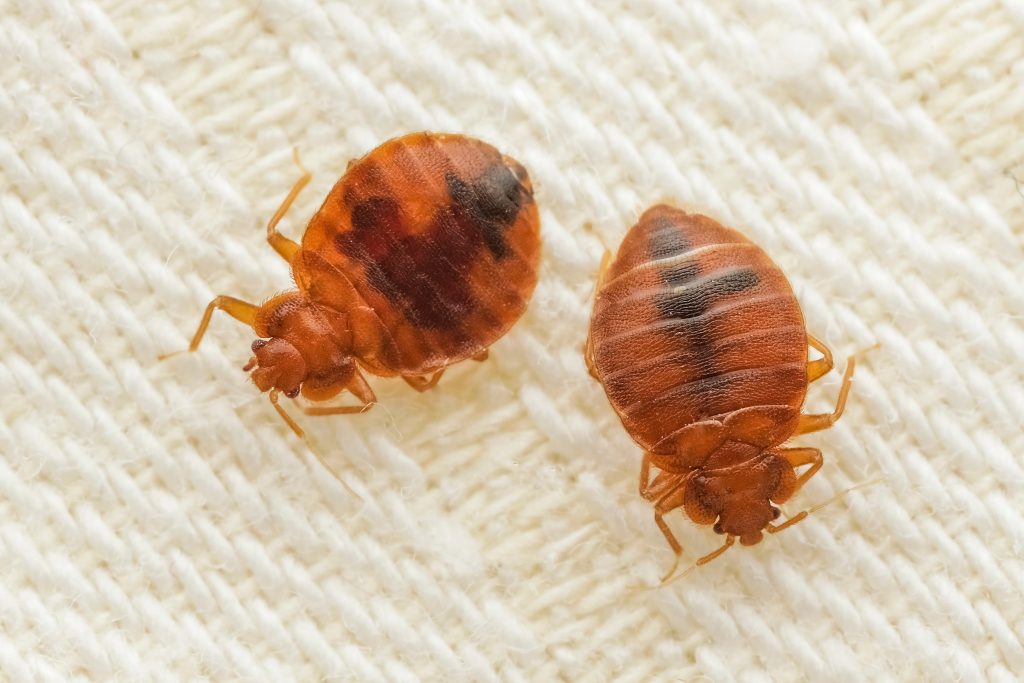
You pull back the sheet and spot a flat reddish-brown bug pressed into the mattress seam. A few dark marks sit near the headboard, and now you are wondering whether North Carolina bed bugs have made their way into your home.
Bed bugs can reach clean, well-kept homes in Raleigh, Charlotte, and across the state by hiding in luggage, clothing, furniture, and other belongings. If you know what bed bugs look like, where they hide, and which signs point to a real infestation, you can make better decisions before moving furniture or trying to treat the problem.
What North Carolina Bed Bugs Look Like and Where They Hide
Adult North Carolina bed bugs are flat, oval, wingless insects with a reddish-brown color. Their thin bodies allow them to press into narrow gaps around a bed frame, headboard, box spring, or piece of upholstered furniture. After a blood meal, the body becomes fuller and darker.
Young bed bugs, called nymphs, are smaller and paler than adults. Bed bug eggs are even easier to overlook because they are tiny and light-colored. Checking only the exposed surface of a mattress can leave most of the useful hiding areas untouched.
The Centers for Disease Control and Prevention (CDC) reports that bed bugs measure about 1 to 7 millimeters. They can travel more than 100 feet in one night but tend to live within about 8 feet of where people sleep. The CDC also confirms that bed bugs are not known to spread diseases to people.
Where to Check for Bed Bugs
Use a flashlight and work outward from the bed. Pay close attention to seams and joints instead of scanning only open surfaces.
| Area | Specific Places to Check | Evidence You May Find |
| Mattress | Seams, piping, folds, tags | Live bugs, rusty spots, shed skins |
| Box spring | Corners, underside, fabric edges | Bugs hidden inside construction gaps |
| Bed frame | Slats, joints, screw holes | Adults, nymphs, or eggs |
| Headboard | Back surface, cracks, mounting points | Activity close to the sleeping area |
| Upholstered furniture | Cushion seams, folds, frame joints | Bugs, shed skins, or dark spotting |
| Baseboards and trim | Corners, gaps, loose edges | Activity that has moved beyond the bed |
Seeing a live insect in a mattress seam is strong evidence, but bed bugs rarely spend all their time in one visible location. An established bed bug infestation can spread into nearby furniture and small room gaps while remaining concentrated around places where people sleep.
Signs of Bed Bugs in North Carolina Homes
The first sign of bed bugs is often something small. You may notice blood spots on a sheet, dark marks along a mattress edge, a shed skin behind the headboard, or an insect tucked inside a bed frame joint.
Those clues are more useful when you consider them together. A single unexplained mark on your skin tells you much less than several physical signs found around the same sleeping area.
| Sign | What It Looks Like | What It Can Tell You |
| Live bed bugs | Flat, reddish-brown insects | Direct evidence of bed bug activity |
| Rust-colored spots | Small marks on bedding or furniture | May appear around feeding areas |
| Dark fecal marks | Tiny dark spots in seams or cracks | Can indicate repeated activity |
| Shed skins | Pale, empty insect coverings | Shows that nymphs have been developing |
| Bed bug eggs | Tiny, pale material in protected gaps | May point to an active breeding population |
| Bed bug bites | Red or itchy skin reactions | A reason to inspect, but not confirmation |
What Bed Bug Bites Can Tell You
Bed bug bites affect people differently. You might wake up with itchy red marks while someone sleeping beside you has no visible reaction. The bites may also resemble flea bites, mosquito bites, or other skin irritation.
Skin marks should prompt you to check the room instead of serving as your only evidence. Look closely at mattress seams, the box spring, headboard, nearby furniture, and cracks close to the bed. If you develop severe swelling, breathing trouble, or another significant reaction, contact a healthcare professional.
How North Carolina Bed Bugs Get Into Homes
Bed bugs are hitchhikers. A bug hidden in the seam of a suitcase, fold of a jacket, or joint of a piece of furniture can travel into your house without being noticed.
That means prevention starts with the belongings you bring home rather than the exterior of the house. Bed bugs do not need to come through a foundation gap or open door in the same way many outdoor pests do.
Bed Bugs in Luggage After Travel
Hotels, vacation rentals, dorm rooms, and other shared sleeping spaces can provide opportunities for bed bugs to move between belongings. When you arrive somewhere new, take a quick look at mattress edges and the area around the headboard before spreading your clothes or bags across the room.
When you return home, inspect suitcase seams, pockets, and folds before putting luggage on a bed or upholstered chair. Finding bed bugs in luggage before unpacking gives you more control over where the insects may go next.
Secondhand Furniture and Used Bedding
Used mattresses, sofas, upholstered chairs, and bed frames deserve a close inspection before you carry them indoors. Pay particular attention to fabric folds, joints, undersides, cracks, and screw holes.
The North Carolina Department of Agriculture and Consumer Services states that a female bed bug can lay about 200 to 500 eggs during her lifetime. The agency also reports that bed bugs may survive as long as 12 months without feeding. North Carolina law requires used bedding sold through retail outlets to be professionally sanitized by a licensed sanitizer before sale.
That retail requirement does not mean every piece of secondhand furniture has gone through the same process. A sofa bought directly from another homeowner or picked up through an online marketplace still needs a careful inspection.
Why Bed Bug Infestations Can Be Hard to Eliminate
The bed bug you can see is only part of the problem. Other bugs may be pressed beneath box spring fabric, inside a bed frame joint, behind a headboard, or along a small gap at the edge of the room. Eggs can remain somewhere else entirely.
This hiding behavior explains why killing a few visible insects may have little effect on the rest of the infestation. Effective bed bug control depends on finding the locations where the bugs are resting and addressing more than one life stage.
Why Quick DIY Treatment Can Miss the Problem
The Environmental Protection Agency (EPA) explains that getting rid of bed bugs can take weeks to months, depending on the extent of the infestation and the number of available hiding places. The EPA also warns that total-release foggers should not be used as the only control method because the material may fail to reach bugs hidden in cracks and crevices.
Moving furniture creates a different risk. If you carry an infested mattress through the hallway or relocate a nightstand to a spare bedroom, bugs can fall off or move with the furniture. You may end up turning a one-room problem into activity in several parts of the house.
A useful bed bug treatment plan starts by confirming the pest, figuring out how far the activity extends, and deciding how furniture and personal belongings should be handled before treatment begins.
What to Do When You Find Bed Bugs
If you find signs of bed bugs, keep the affected room as contained as you can. Leave beds and furniture in place until you know how they should be handled, and avoid carrying loose clothing, bedding, or storage items into another bedroom.
Clear enough clutter to reach the bed frame, headboard, furniture edges, and baseboards. You want better access to hiding areas without creating new places for bed bugs to spread.
Handle Laundry and Furniture Carefully
Place affected bedding and suitable clothing into closed bags or containers before carrying them through the house. After laundering and drying items according to the fabric instructions, keep them separated from belongings that have not yet been handled.
Laundry can address bugs on washable items, but it cannot reach an infestation inside a bed frame, upholstered chair, or wall-side crack. Treating clothing and bedding is one part of the process rather than a complete way to get rid of bed bugs.
Do not assume that throwing away a mattress fixes the problem. If bed bugs are living in the headboard, frame, box spring, or nearby furniture, a replacement mattress enters the same infested room.
Getting Professional Help for North Carolina Bed Bugs
A professional bed bug treatment can make sense when you have confirmed activity, signs in more than one location, or a problem that continues after your own control efforts. Bed bugs can hide inside bed frames, headboards, box springs, molding, cracks, and crevices, so treatment needs to account for more than the bugs you can see.
ClearDefense Pest Control starts with pest identification and preparation instructions, followed by treatment of common hiding areas and a complimentary two-week follow-up. If you are finding North Carolina bed bugs in your home, contact ClearDefense Pest Control to confirm the problem and discuss the right treatment for your property.