
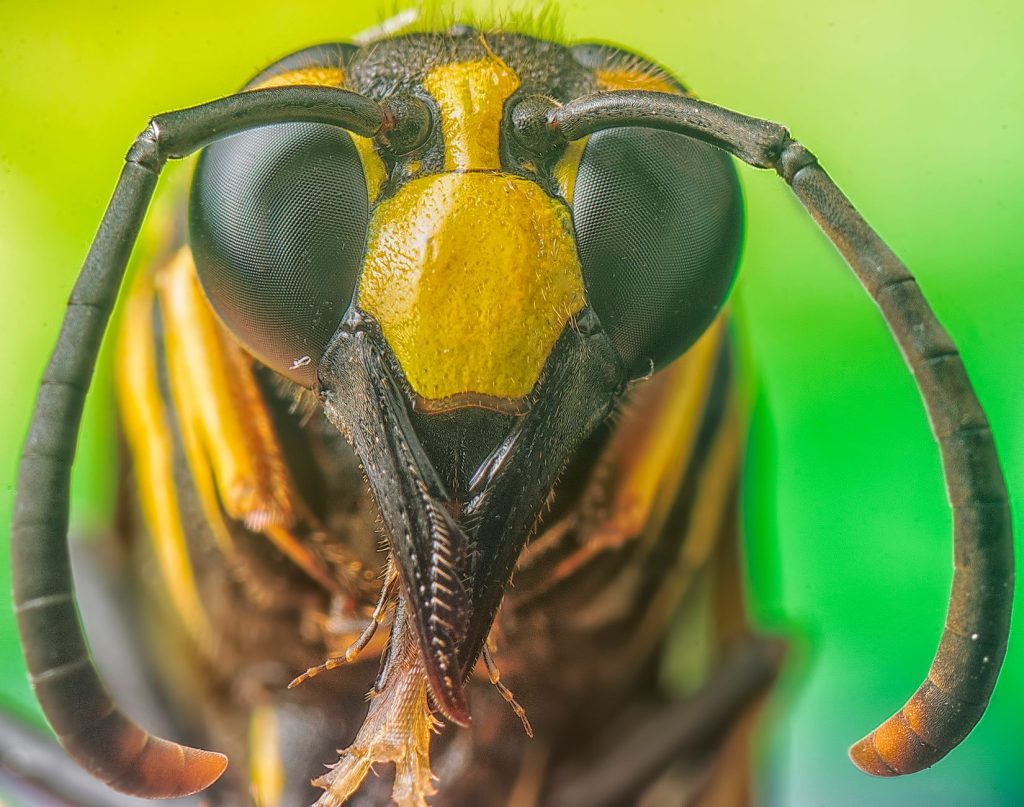
Stinging insects can cause costly problems. Learn about the most painful sting, what to do, the signs, risks, and when to call ClearDefense Pest Control.
Key Takeaways About the Most Painful Insect Stings
- Several stinging insects found around homes, including wasps, bees, and fire ants, can deliver painful stings that range widely in intensity depending on the species.
- Knowing which insects sting, and how to spot their nesting activity near your yard, helps you avoid accidental encounters and react appropriately.
- Not every sting requires professional medical attention, but repeated stings or unusual reactions warrant a closer look at conditions around your property.
- Reducing the conditions that attract stinging insects, such as exposed nesting sites and undisturbed ground, is a practical first step toward lowering your risk at home.
How to Identify the Most Painful Stinging Insects
Not every sting you feel around the yard comes from the same species. Knowing what to look for and where to look, helps you figure out which pest delivered the most painful sting and whether you need professional review.
How to Tell the Most Painful Stinging Species Apart
Imported fire ants are light to dark brown and measure about 1/12 to 3/16 inch long. Workers vary in size within the same colony, and they sting on contact. According to the Mississippi State University Extension, these ants are among the most recognized stinging species around homes.
Velvet ants (actually wingless wasps) look different. According to Texas A&M AgriLife Extension, larger species such as Dasymutilla occidentalis earn the nickname “cow-killers” because of their painful sting. They can also produce a squeaking sound when disturbed or trapped.
Fire ants and harvester ants are primarily outdoor species and are among the few ant species that sting. Compare those to dark rover ants, which are about 1/12 inch, uniform in size, dark brown, and deliver no sting at all. Size and color alone can separate a painful species from a no real threat one.
How to Spot Stinging Insect Activity Inside Your Home
Many stings happen outdoors, but bites or stings inside your home can be confusing. Stings from ticks, fleas, bees, wasps, mosquitoes, deer flies, horse flies, and water bugs August all be mistaken for one another. Identifying the pest responsible is the first step toward the right response.
If you notice a painful sting indoors and cannot find the source, look for small ants trailing along baseboards or walls. Imported fire ants sometimes forage inside. However, though the sting is painful, it is rarely deadly.
Where Stinging Insect Activity Shows Up Around Homes
Stinging ants are typically encountered in open soil, lawn edges, and garden beds. Velvet ants also stay outdoors, moving through turf and along ground-level areas.
Some wasp species are more aggressive than others and August fly several feet to sting someone near the nest site. Watch for nest activity under eaves, along fence lines, and near landscape features where these species build.
Exterior Entry Points Stinging Insects Use
Ground-level gaps are the main concern. Fire ants can trail through small cracks in foundations and around door frames when foraging. Their small size (as little as 1/12 inch) lets workers fit through openings you might overlook.
Wasps enter through vents, gaps in soffits, and unsealed utility openings. Because some species August fly several feet toward anyone near a nest, entry points close to doors and walkways deserve extra attention during routine checks around your home.
Why Painful Stinging Insect Problems Develop
Stinging insects set up near your home for straightforward reasons: shelter, food, and territory. Understanding what draws them in helps you recognize when a small presence turns into a bigger concern worth addressing.
Outdoor Nesting Areas for Stinging Insects
Red imported fire ants build mounds in sunny, disturbed ground. According to the University of Georgia pest guide, typical spots include yards, parks, and right-of-ways. These ants are not native to the United States, and their mounds can appear quickly in open, well-lit soil after rain or landscaping work.
Paper wasps build exposed nests under eaves, porch ceilings, and other protected overhangs. Those nests last only one season, but a new colony can rebuild in the same favorable spot the following year.
Food and Shelter That Attract Stinging Insects
Social colonies of yellowjackets, honey bees, bumble bees, and fire ants all assign dedicated defenders to protect the nest. As UC IPM notes, these colonies include individuals whose sole task is nest defense. That defensive behavior intensifies when a colony is well-fed and growing near a consistent food or water source on your property.
Some yellowjacket species can become aggressive during late summer and fall and may sting unprovoked. Proximity to outdoor dining areas or garbage bins during those months raises the chance of a painful encounter.
How Stinging Insects Move Around Homes
Fire ants spread through disturbed habitats, colonizing lawns and garden beds close to foundations. Frequent exposure and multiple stings per encounter are common because they forage in large numbers across short distances from their mound.
Wasps and bees expand their range as colonies grow through the warm season. A paper wasp nest tucked under a gutter in spring August host a much larger population by midsummer, increasing the odds of a defensive sting near doorways or walkways.
Trails and Entry Points Stinging Insects Use
Fire ant mounds positioned along sidewalks, driveways, or garden edges put foragers in foot-traffic paths. Social wasps and bees sting to defend their colony, so nests built near entry doors, garage openings, or window frames create repeated close contact.
Gaps around utility penetrations, soffit joints, and foundation cracks can give yellowjackets access to wall voids. When a colony establishes inside a structure, the defensive response to vibrations or noise can lead to stings indoors. Identifying nesting locations early helps you decide when professional review is appropriate.
Risks From the Most Painful Stinging Insects
Health Risks Linked to Painful Stinging Insects
Stinging insects classified as Hymenoptera, including wasps, hornets, yellow jackets, and fire ants, deliver venom through a caudal stinger. According to BMJ (Clinical research ed.), these venoms are complex and can carry the potential for cross-sensitization between species. That means a reaction to one type of sting August influence how your body responds to a different stinging insect later.
The typical local reaction involves immediate pain, redness, and swelling at the sting site. However, reactions can vary depending on the health of the person, the location of the sting on the body, and how much venom was delivered.
The greatest concern is anaphylaxis. According to clinical techniques in small animal practice, most deaths from Hymenoptera stings result from immediate hypersensitivity reactions that cause anaphylaxis. This is not something every person will experience, but it is why stinging pest activity near your home deserves attention.
Property Damage From Stinging Insects
Stinging insects are classified as medical pests because of the direct risk they pose to people through their sting. While structural or material damage is not the primary concern with these pests, their presence around entry points, eaves, and outdoor living spaces creates an ongoing nuisance that limits how you use your own property.
Food Areas and Stinging Insect Activity
Wasps, yellow jackets, and hornets are drawn to areas where food is accessible. When they establish activity near kitchens, patios, or trash collection points, the risk of a painful sting rises because encounters become more frequent. Even a single sting near a high-traffic area of your home can become a real concern.
When to Look Closer at Stinging Insect Activity
If you notice repeated stinging insect activity around your home, it is worth having a professional take a closer look. Pain and discomfort are the baseline outcome, and for some individuals, the consequences can be more serious.
A recurring pest control plan helps reduce the conditions that attract stinging insects and keeps activity levels in check around the areas of your home you use most. ClearDefense documents every finding in a Defense Report, so you know exactly what was found and what was applied.
Professional Pest Control for Stinging Insects
Several pests around your home can deliver stings or bites that range from a brief pinprick to serious pain. Knowing how to reduce contact and when to bring in a professional makes a real difference in how you manage these risks around your property.
How to Reduce Attractants for Stinging Insects
Keeping your yard well-maintained reduces the sheltered spots where wasps and ants tend to establish themselves. Trim vegetation away from exterior walls and keep ground cover tidy so nests are easier to spot early.
Indoors, seal gaps around doors, windows, and utility entry points. Spiders that can give a painful bite when trapped against the skin are less likely to end up in clothing or bedding when entry points are closed off. Small prevention steps lower the chance of a surprise encounter.
Why Stinging Insect Control Starts With Inspection
An inspection identifies what you are dealing with and which species are present. Red wasp stings are more painful than Guinea wasp stings, according to most people who have experienced both, as Mississippi State University Extension notes. Different species call for different approaches, so correct identification matters before any treatment begins.
ClearDefense Pest Control service professionals document findings in a Defense Report that details every product used and every observation, giving you a clear picture of which stinging pests are present and where activity is concentrated.
What to Expect During Professional Stinging Insect Treatment
After Hymenoptera stings, immediate care may include removing the stinger and applying ice packs or topical steroids. Professional pest control focuses on the source. ClearDefense uses a prevention-first IPM methodology, targeting conditions that support stinging pest populations rather than reacting only after a sting occurs.
Because ClearDefense provides recurring service rather than one-time treatments, your property receives consistent attention. Recurring visits help address new activity before nests or colonies grow large enough to increase the risk of a painful sting around your yard or home.
What to Expect From a Stinging Insect Control Plan
A ClearDefense control plan is built around your property’s specific conditions. Some spider bites produce localized pain and swelling similar to a wasp or bee sting, according to Mississippi State University Extension. Your plan accounts for the particular species found during inspection.
Each recurring visit includes updated documentation in your Defense Report. Service professionals note changes in activity, adjust treatment areas, and flag new conditions that could attract stinging pests. This ongoing approach keeps your plan current as seasons change and pest pressures shift around your home.
Bottom Line on Dealing With Painful Stings
Several stinging insects can show up around your yard, and the pain levels vary widely depending on the species involved. Knowing which pests sting, and understanding that reactions range from brief discomfort to something that may need medical attention, helps you decide when to act. If you notice mounds, nests, or repeated stinging activity near your home, a recurring pest control plan can help reduce those encounters. Reach out to ClearDefense Pest Control to request a quote for your property.
Frequently Asked Questions
Which Stinging Insects Should I Watch for Around My Home?
Wasps, hornets, yellow jackets, and fire ants are among the stinging pests homeowners August encounter. Each delivers a sting that can cause immediate pain and localized swelling. Watching for nests under eaves or mounds in open, sunny areas of your lawn helps you spot activity early.
How Do I Know if a Sting Needs Medical Attention?
Most stings produce localized pain and swelling that fades over time. However, some individuals August experience a severe allergic reaction. If you notice difficulty breathing, widespread swelling, or other signs beyond the sting site, seek medical help right away.
Can One Insect Sting More Than Once?
Some stinging insects can sting repeatedly because they retain their stinger after the first sting. This means a single encounter near a nest can result in multiple stings, which increases discomfort and the chance of a stronger reaction.
Why Does Recurring Service Help With Stinging Pests?
Stinging insects often return to favorable nesting spots season after season. A recurring pest control plan addresses conditions that attract these pests and monitors your property over time. ClearDefense provides a Defense Report after each visit detailing findings and products applied.