
Drain flies in house areas can cause costly problems when early signs are missed. Learn the signs, risks, and when to call ClearDefense Pest Control.
Key Takeaways About House Drain Flies
- Drain flies, also called moth flies, are small, weak-flying insects that develop in the biological buildup inside drains and pipes. Spotting them usually points to a moisture or sanitation issue somewhere in your plumbing.
- These flies are more of a nuisance than a direct threat, but addressing the source matters. Plumbing repairs and routine drain cleaning are the most reliable ways to reduce activity in your home.
- ClearDefense covers drain flies as part of its recurring general pest control plan, using targeted treatments around drains and fly traps placed where these pests tend to gather.
How to Identify House Drain Flies
Knowing what drain flies look like and where they show up helps you act before a small nuisance grows. These tiny, fuzzy insects are easy to overlook, but a few clear physical traits and behavior patterns set them apart from other household flies.
How to Tell Drain Fly Types Apart in Your House
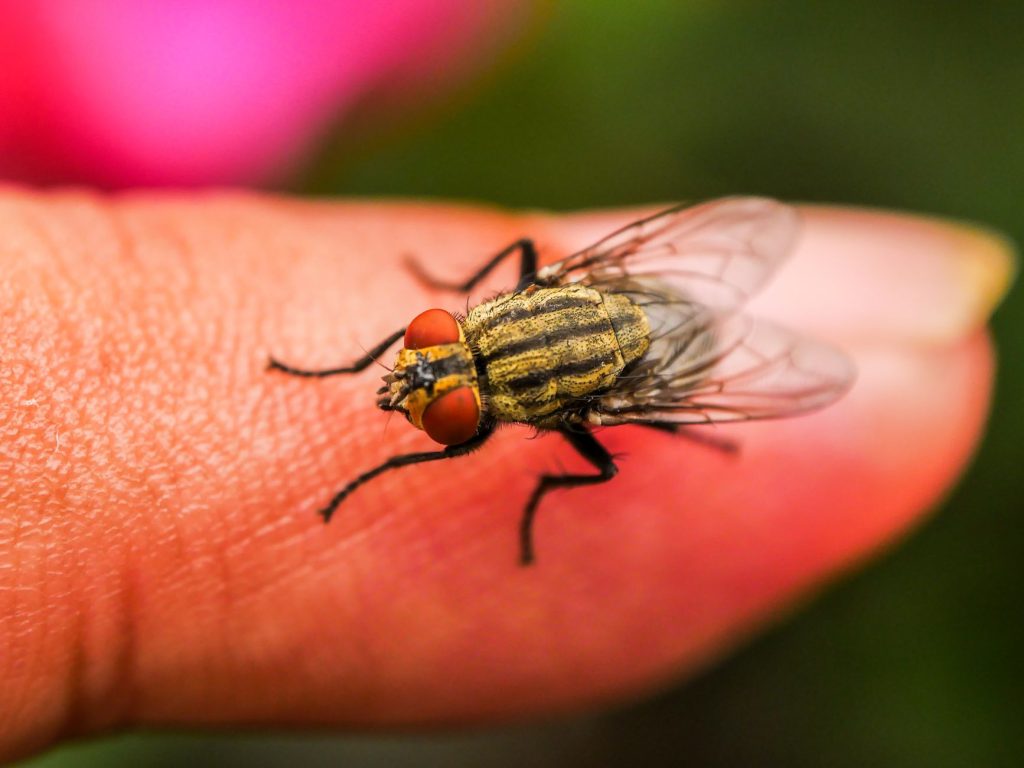
Adult drain flies are small, measuring about 1/16 to 1/8 inch long. They have a light gray to brownish body with light-colored wings that come to a point at the tips. At rest, the wings August be held roof-like over the body. According to Kansas State University Extension, their bodies and wings are hairy, which is why they are sometimes called moth flies.
Like all true flies, adults have two functional front wings and two club-shaped halteres (modified hind wings) that help with flight balance. Their fuzzy, moth-like appearance is the quickest way to distinguish them from fruit flies or gnats you might also find indoors.
How to Spot Drain Fly Activity Inside Your Home
One reliable test: place a strip of tape over a drain you suspect is infested and wait 24 hours. If flies are stuck to the tape when you remove it, that drain is an active breeding site.
Drain flies are nocturnal, so you August not spot them right away during daytime hours. However, they can sometimes appear during the day, resting on walls near moisture sources. Seeing even a few adults near a sink or shower is worth investigating.
Where Drain Fly Activity Shows Up Around Your Home
The larvae of some species feed on the biological scum that accumulates inside drainpipes and garbage disposals. Bathroom sinks, shower drains, and floor drains with slow or infrequent water flow are common breeding spots. According to the University of Georgia pest guide, moth flies August also lay eggs in toilet tanks when toilets have gone unflushed for an extended period, and larvae can be found there.
Any drain that collects biological material, including slow or clogged lines, can become a breeding source. Phorid flies share similar habits, so correct identification matters.
Exterior Entry Points Drain Flies Use Around Your Home
Standing water from leaky pipes or unused drain lines near exterior walls can draw drain flies toward a home. Once biological buildup forms inside a pipe, flies August breed close to openings that connect to the interior.
According to the Mississippi State University Extension, the key to controlling these pests is to identify their breeding source and either remove it or make it unattractive to the flies. Checking seldom-used drains, refrigerated drain pans, and outdoor plumbing connections helps you find those sources before adults move deeper indoors.
Why Drain Fly Problems Develop in Houses
Drain flies develop wherever decaying biological matter collects in moist areas. Understanding what draws them in, where they breed, and how they move through your home helps you address the conditions behind an infestation.
Outdoor Nesting Areas for Drain Flies Around Your Home
According to UC IPM, drain flies develop in decaying biological matter found in sink and sewer drains, and they can also breed in wet manure or raw sewage outdoors. Any spot where biological waste stays damp and undisturbed near a foundation can become a development site.
Food and Shelter That Attract Drain Flies to Your Home
The primary food source for developing drain flies is biological buildup inside drains. Spilled food and other biological matter that accumulates on the bottoms or sides of trash cans can also support breeding. Flies breed in those deposits when moisture is present.
Common development sites include sink and floor drains, grease traps, and evaporation pans placed beneath appliances. Anywhere food residue and water meet in a low-traffic spot, conditions August favor drain fly activity.
How Drain Flies Move Around Your Home
Drain flies are weak fliers. They tend to stay close to their development site rather than traveling long distances through your home. You August notice them along walls near a kitchen or bathroom drain. They do not bite, sting, or damage household materials, but their presence can be a source of annoyance.
Because they develop in decaying biological matter inside drains, the problem can grow unnoticed. Flies August appear in one bathroom, then show up near another drain with similar buildup.
Trails and Entry Points Drain Flies Use in Houses
Sinks, floor drains, and sewer connections are the main entry points. Unused drains with dried-out traps or slow-moving pipes are common trouble spots. If biological material collects in standing water, it can create the conditions that drain flies need.
Keeping biological waste out of drains is one of the most practical steps you can take. ClearDefense covers drain flies within our general pest control plan, pairing ongoing service with steps that address the conditions drawing these flies into your home.
Risks From House Drain Flies
Drain flies are primarily a nuisance rather than a structural or serious health threat. Still, understanding where they develop and how quickly they multiply helps you decide when the situation deserves attention.
Health Risks Linked to House Drain Flies
No selected evidence cards assigned to this section support specific disease or health-risk claims for drain flies. What the available research does confirm is that these flies develop in wet biological material, including buildup inside drains. That breeding environment is worth noting because it means drain flies spend their life cycle in areas most homeowners would rather keep clean.
If you notice drain flies in your home, the concern is primarily about sanitation. Their presence usually points to a buildup of biological matter in a drain or another moist area that needs to be addressed.
Property Damage From Drain Flies in Houses
Drain flies do not cause structural damage to your home. They are not wood-boring insects, and they do not chew through building materials. The real issue is the underlying condition that supports them: accumulated biological matter in drains or other wet spots.
Left unaddressed, biological buildup in drains can contribute to slow drainage and unpleasant odors. Fixing the source of the buildup addresses both the plumbing concern and the fly activity at the same time.
Food Areas and Drain Fly Activity in Your Home
Drain flies most commonly develop in drain buildup, but according to UC IPM, they can also breed in a broad range of wet biological detritus around a home. That includes areas near kitchens and food-preparation spaces where moisture and biological residue collect.
Keeping countertops and surrounding areas clean helps reduce what drain flies feed on. ClearDefense does not place treatments on food-prep surfaces. Instead, drains around the area are treated and traps are placed where flies are most active.
When to Look Closer at Drain Fly Activity
Adult drain flies are typically short-lived, surviving only three to four days. However, if they find a carbohydrate-rich liquid source, they August live several weeks. Each female can produce around 100 eggs, so a small number of flies can lead to a noticeable population quickly.
The full cycle from egg to adult takes roughly three to four weeks. If you are seeing new flies regularly over that timeframe, it usually means a breeding site is active somewhere in your plumbing. That is the point where identifying and cleaning the source becomes important.
Professional Pest Control for Drain Flies
Drain flies in your house can be frustrating, especially when the source of the infestation is not obvious. While some DIY steps help, a thorough approach often requires professional pest control. Understanding what attracts these flies, where they breed, and how a service plan works puts you in a stronger position to keep them from coming back.
How to Reduce Attractants for Drain Flies in Houses
Wet biological matter in drain saucers used for house plants August attract related flies as well, according to Mississippi State University Extension. Reducing standing moisture and biological residue throughout your home is your first line of defense against an infestation.
Fixing plumbing problems is one of the most important steps. By addressing leaks and slow drains, you should find that a drain fly infestation goes away over time. You can also scrape the inside of exposed drainpipes with a metal pipe brush to remove biological material, including eggs and larvae that August be present.
Covering drains when not in use also helps limit breeding opportunities. Pouring baking soda and then distilled white vinegar into the drain, waiting 30 minutes, and flushing with boiling water can break down biological buildup. Keeping countertops clean helps too, since flies normally feed off biological waste.
Why Drain Fly Control Starts With Inspection
Drain flies August be developing in more than one drain. All drains in the room where adults are found should be inspected for larvae. Drains in the kitchen, bathroom, or laundry are common sources, as Mississippi State University Extension notes.
If larvae are not found in the slime scraped from exposed drainpipes, the flies August be developing in biological material much deeper within the pipes. A surface-level check is not always enough to locate the full infestation. A professional inspection can identify breeding sites you might miss on your own.
What to Expect During Professional Drain Fly Treatment
ClearDefense uses fly traps, liquids, Hot Spot, and PT Alpine Fly Bait to address drain flies. Treatments are not placed on any food prep area. Service professionals spray the drains around affected areas and place traps where fly activity is concentrated.
Because drain fly larvae can develop in biological material found deep within pipes, A pest control company that offers drain fly control can reach these hidden breeding sites.
What to Expect From a House Drain Fly Control Plan
ClearDefense includes drain fly control within its general pest control plan, which is offered as a recurring service. There is no one-time option for general pest control. Each visit includes a documented Defense Report showing every product used and every finding at your home.
A recurring plan matters because drain fly infestations can resurface if wet biological buildup returns inside your plumbing. Ongoing monitoring and treatment help address new activity before it becomes a persistent problem. ClearDefense follows a prevention-first IPM methodology designed to remove the conditions that draw pests in the first place.
Bottom Line on Drain Flies in House
Drain flies in your house point to one core issue: biological buildup inside pipes or standing water somewhere in the plumbing. Finding the breeding source and removing it is the most reliable path to control. Keeping drains clean, fixing leaks, and flushing seldom-used fixtures go a long way toward prevention. When the problem persists, a recurring pest control plan can help you stay ahead of it. ClearDefense Pest Control includes drain fly control within our general pest control service, so reach out to request a quote if you need a hand.
Frequently Asked Questions
What Attracts Drain Flies Indoors?
Drain flies are drawn to the biological scum that coats the insides of pipes. Any drain, toilet, or fixture that sits unused long enough for water to evaporate from the trap can become an entry point for adult flies traveling up from the sewer system.
Are Drain Flies a Health Concern?
Drain flies develop in decaying biological matter, so they have the potential to pick up pathogens from those sites. They are not a structural threat, but keeping them out of kitchens, bathrooms, and other living spaces is a good practice for general cleanliness.
Can I Handle Drain Flies on My Own?
Many homeowners can reduce activity by cleaning drains, running water through unused fixtures, and covering drains when they are not in use. A baking soda and white vinegar flush followed by boiling water can help clear buildup. If flies keep returning, the breeding source August be harder to locate, and professional help is worth considering.
What Does Professional Drain Fly Control Look Like?
ClearDefense uses fly traps, targeted drain treatments, and Hot Spot applications as part of our recurring general pest control plan. Treatments are not placed on food prep surfaces. We spray drains around affected areas and position traps where flies tend to gather. Keeping countertops and surrounding areas clean also helps, since flies normally feed off biological waste.