
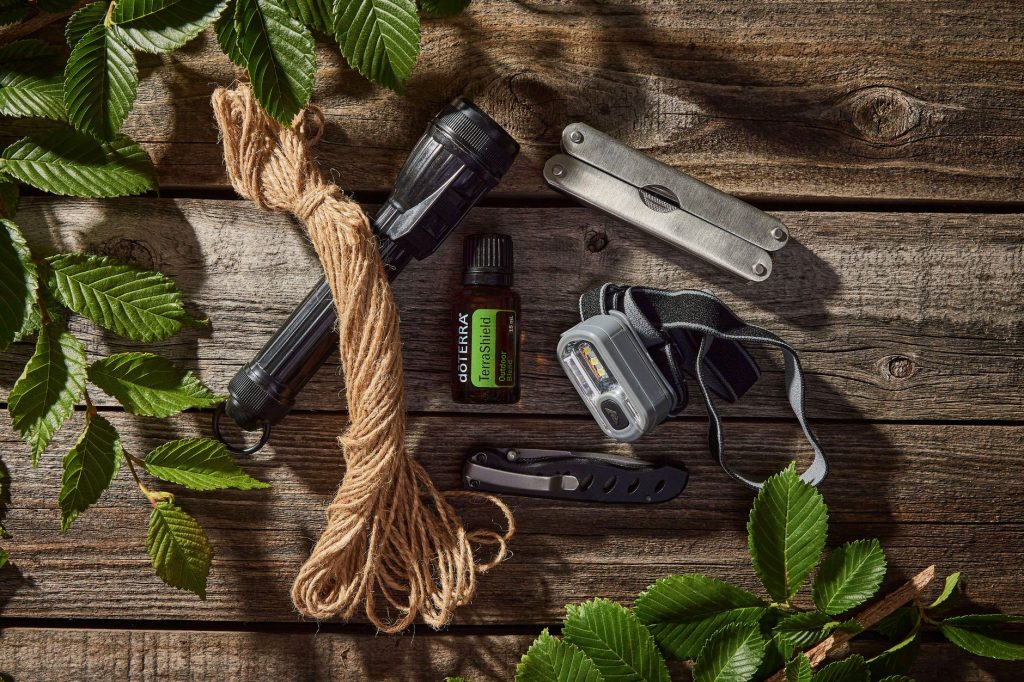
Mice can cause costly problems. Find out does peppermint oil repel mice, what signs to watch for, and when to call ClearDefense Pest Control.
Key Takeaways About Using Peppermint Oil to Repel Mice
- Peppermint oil is one of several plant-based essential oils sometimes suggested as a mouse repellent, but its scent fades quickly and may not keep rodents away for long.
- Mice can cause property damage and pose health concerns, so relying on a single DIY solution like a peppermint spray often falls short of lasting control.
- Traps, bait stations, and sealing entry points are more reliable parts of a mouse control plan than scent-based repellents alone.
- A recurring pest control approach that addresses the conditions attracting rodents tends to deliver more consistent results than one-time remedies.
How to Identify Signs That Mice Are Present
Before deciding whether peppermint oil repels mice, you need to confirm that mice are actually the problem. Knowing what to look for and where to look helps you figure out if the activity in your home involves commensal mice or something else entirely.
How to Tell Different Mouse Types Apart
Commensal mice and rats are the rodents most likely to share your living space. According to UF/IFAS Extension, rodenticides primarily target commensal mice and rats, which tells you these are the species that commonly move into homes and structures. If you spot a small rodent with a pointed snout and large ears relative to its body, you are likely dealing with a house mouse rather than a rat.
Rats are noticeably larger, with thicker tails and blunter noses. Telling the two apart matters because their habits differ, and so does the approach you may need to address them. Peppermint oil questions usually center on house mice, since those are the ones homeowners encounter most often indoors.
How to Spot Mouse Activity Inside Your Home
Mice leave small, dark droppings along the paths they travel. You may also notice sounds in walls or ceilings, especially at night. Chewed packaging or scattered food crumbs near storage areas can point to mouse activity as well.
If you are considering peppermint oil as a repellent, spotting these signs first confirms you have a mouse issue worth addressing. Without clear evidence of activity, placing peppermint oil around the house may not tell you much about whether it is working.
Where Mouse Activity Shows Up Around Homes
Mice tend to stay close to food and shelter. Kitchens, pantries, and utility closets are common areas where activity appears. Garages and attics can also harbor mice, especially during cooler months when they move indoors looking for warmth.
Homeowners sometimes place peppermint oil in these same spots, hoping to deter mice. Understanding where mice naturally concentrate helps you evaluate whether a repellent approach is making any difference in the areas that matter most.
Exterior Entry Points Mice Use
Mice can squeeze through surprisingly small gaps. Foundation cracks, openings around pipes, and spaces beneath doors are typical entry points. Vents and utility line penetrations also give mice a path inside.
These entry points are worth inspecting regardless of whether you try peppermint oil. If gaps remain open, mice August simply bypass a scented area and find another way in. Sealing those openings is a practical first step before relying on any repellent strategy.
Why Mouse Problems Develop
Mice problems usually start well before a homeowner reaches for peppermint oil. Understanding why mice show up in the first place helps you see why a single repellent rarely solves the whole picture.
Outdoor Nesting Areas for Mice
Mice can nest in sheltered spots around a property’s perimeter. Foundations, along walls, and areas near pipes all provide cover. Rodents cause substantial annual damage to property and food supplies throughout America, so outdoor populations that go unchecked tend to grow closer to the home over time.
Food and Shelter That Attract Mice
Stored food messes are one of the biggest draws. According to Oregon State University Solve Pest Problems, cleaning up stored food messes minimizes food sources for mice and rats. Any accessible food, whether in a garage, pantry area, or storage room, can sustain a growing population.
Rodent-borne diseases can be transmitted through consumption of contaminated food or water, or through inhalation of dust from rodent waste. That makes food storage and cleanup more than a convenience issue.
How Mice Move Around Homes
Mice follow consistent paths once they find a reliable food source. According to Texas A&M School IPM, evidence of infestation includes droppings, pilfered food, gnaw marks, and grease marks. These dark oil stains come from rodents rubbing against surfaces as they travel.
Those signs typically appear along walls, foundations, pipes, and electrical conduits. Rodents use these areas as travel routes, returning to the same paths repeatedly.
Trails and Entry Points Mice Use
Walls, foundations, pipes, and electrical conduits are the corridors mice rely on. Grease marks along these routes are a strong indicator of repeated traffic. If you spot dark smudges or gnaw marks in these areas, mice have likely established a regular path through your home.
Peppermint oil may appear as an active ingredient in some labeled products alongside cedarwood, cinnamon, and other essential oils. However, those products are typically labeled for other pests. Addressing the food sources and travel routes mice depend on is a more direct way to reduce activity.
Risks From a Mouse Infestation
Even if peppermint oil offers a temporary deterrent, the real concern is what happens when mice stay active inside your home. Relying on a single scent can leave ongoing risks unaddressed. Understanding those risks helps you decide whether a DIY repellent is enough or whether a broader approach is needed.
Health Risks Linked to Mice
Mice that remain in a home despite peppermint oil can create health concerns for your household. Traps placed to address the problem also need careful positioning. According to the University of Tennessee Extension, traps should be set where children and pets will not be hurt. A repellent that only redirects pests from one room to another does not reduce the overall exposure inside your living space.
Property Damage From Mice
Rodents travel along edges of walls, studs, and pipes as guidelines through a structure. That movement pattern means they can reach nearly every part of your home, from attic framing to interior wall cavities. Peppermint oil applied at one entry point August simply push mice toward a different pathway without reducing their presence in the building.
Mice that settle inside walls can stash food in hidden spaces. According to the Mississippi State University Extension, rodents create caches of nuts or pet food inside wall voids. These hidden stockpiles can attract other pests and go unnoticed for weeks.
Food Areas and Mouse Activity
Kitchens and pantries are high-priority zones because mice are curious and tend to explore new areas quickly. Mice August approach a new object, such as a trap, the very first night it appears. That same curiosity drives them toward food storage areas, where a scent-based repellent is unlikely to override the draw of accessible food sources.
When to Look Closer at Mouse Activity
If you have placed traps and have not caught a mouse within the first few nights, the trap is likely in the wrong location. That same principle applies to peppermint oil. A repellent set in the wrong spot August give a false sense of security while mice remain active elsewhere in the home.
Some natural-origin repellents, such as oil of lemon eucalyptus, are recognized as repellents derived from natural materials. However, no single product replaces a full inspection of entry points, travel routes, and harborage areas. Addressing the conditions that draw mice in does more to reduce activity than any single repellent.
Professional Pest Control for Mice
Peppermint oil is one of several plant essential oils sometimes discussed as a repellent option. According to Oregon State University Solve Pest Problems, peppermint, geraniol, rosemary, and other plant essential oils are listed among repellent products. However, a DIY approach with essential oils has limits, and professional pest control offers a more structured path for addressing mice in your home.
How to Reduce Attractants for Mice
Before relying on any single product, reducing what draws mice into your home matters most. Store food in sealed containers, keep counters and floors clean, and remove clutter that provides hiding spots. ClearDefense follows a prevention-first IPM methodology, which means identifying and addressing the conditions that invite mice rather than depending on one repellent alone.
Glue board traps are one tool available for monitoring mouse activity. According to Purdue Extension, a variety of glue board traps are available for pest control, and they are useful for mice and other crawling pests. Some traps include special scents that may help increase trapping results. These can serve as a monitoring layer alongside prevention steps.
Why Mouse Control Starts With Inspection
A full inspection of entry points, droppings, and activity patterns is the foundation of any mouse control plan. ClearDefense service professionals walk through your home looking for entry points, droppings, and other activity indicators. This documented process results in a Defense Report that shows every product used and every finding during the visit.
Inspection helps determine whether peppermint oil or other plant essential oils, such as cedar and peppermint noted by Oregon State University Solve Pest Problems, are appropriate as part of a broader plan. Relying solely on scent-based deterrents without understanding how mice are entering your home often leaves gaps.
What to Expect During Professional Mouse Treatment
Professional mouse control goes beyond placing a single product and hoping for the best. ClearDefense builds a recurring pest control plan tailored to your home. That recurring structure means your service professional returns on a regular schedule, checking traps, reassessing conditions, and adjusting the approach over time.
One important principle in pest control is keeping treatment methods compatible. For example, sprays applied near baiting locations can repel pests away from the bait and reduce its usefulness. Professionals understand how to position different tools so they work together rather than against each other.
What to Expect From a Mouse Control Plan
A ClearDefense pest control plan for mice is not a one-time visit. The company offers recurring service only, which means your home receives consistent attention throughout the year. Each visit includes a Defense Report so you know exactly what was found and what was applied.
Plant essential oils like peppermint August play a role in some pest control approaches, but they work best as one layer within a larger plan. Professional pest control pairs prevention, monitoring tools like glue board traps, and ongoing service to address mice in a way that a single bottle of peppermint oil cannot match on its own.
Bottom Line on Peppermint Oil and Mice
Peppermint oil August produce a short-lived scent that mice find unpleasant, but it does not keep them out of your home on its own. Mice are persistent, and a strong smell alone rarely stops them from reaching food, water, or shelter. A lasting approach pairs exclusion work, proper sanitation, and ongoing monitoring. If mice are already active in your home, a recurring pest control plan will give you far better results than a bottle of oil. Reach out to ClearDefense Pest Control to request a quote and get started.
Frequently Asked Questions
Why Does the Scent Fade So Quickly?
Essential oils are volatile compounds that evaporate in open air. Once the concentration drops, any deterrent effect drops with it. You would need to reapply frequently, and even then, coverage across every potential entry point is difficult to maintain.
Can Peppermint Oil Replace Traps or Professional Service?
No. Traps and professionally managed programs address mice directly. Peppermint oil does not remove mice that are already inside, and it does not block the gaps they use to enter. It can be one small piece of a broader plan, but it should not be the only step you take.
What Works Better for Prevention?
Sealing entry points, storing food in airtight containers, and reducing clutter give mice fewer reasons and fewer routes to move in. A recurring service adds consistent monitoring so new activity is caught early rather than after a population grows.
Are There Other Essential Oils That Repel Mice?
Products containing plant-based essential oils such as cedarwood and cinnamon are marketed for pest deterrence. However, the same limitation applies. Scent-based deterrents August discourage casual exploration, but they do not replace physical exclusion or ongoing professional monitoring.