
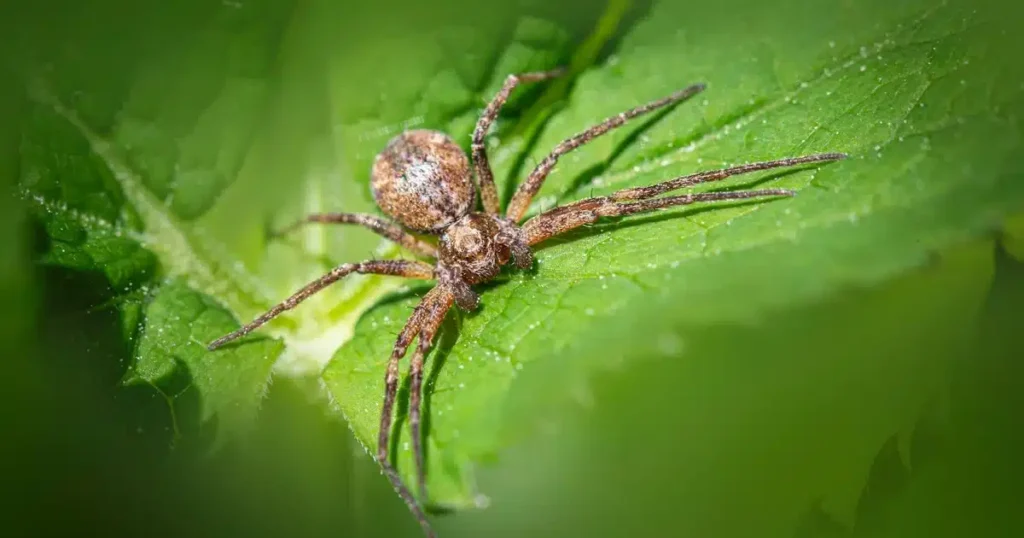
Spiders in Tennessee include mostly no real threat species plus brown recluse and black widow that need professional removal if you’re bitten.
Key Takeaways
- Most spiders in Tennessee are not medically significant, but two species — the brown recluse and black widow — require immediate attention if you are bitten.
- Spiders follow their prey: if insects are inside your home, spiders will follow.
- Clutter in attics, closets, and crawl spaces gives spiders the dark, undisturbed habitat they prefer.
- Recurring pest control targets the insects that attract spiders, reducing spider activity over time.
- If you see multiple spiders or find egg sacs, a professional inspection is the right next step.
Which Spiders You Will Find in Tennessee Homes
Six spider species drive almost every home call across Tennessee. Two deliver medically significant bites. The brief below classifies each by threat level. Match what you’ve spotted on size, color, and where it turned up, then act on the HIGH RISK profiles first.
Brown recluse
High riskBlack widow
High riskWolf spider
Low riskCommon house spider
Low riskJumping spider
Low riskCellar spider
Low riskIf your spider doesn’t fit any of these profiles, you may be dealing with two species in the same area. Worth a real ID before you commit to a treatment plan.
Tennessee hosts more than 40 spider species, but most homeowners encounter only a handful. The common house spider, brown recluse, black widow, wolf spider, jumping spider, and cellar spider account for the majority of sightings inside and around suburban homes. Knowing which species you are dealing with shapes how you respond.
Common House Spiders Found in Tennessee
The common house spider (Parasteatoda tepidariorum) is the species you are most likely to find. It builds messy, irregular webs in corners, behind furniture, and along window frames. The body is brown with mottled markings, and the abdomen is rounded. These spiders pose no real threat to people. They bite only when pressed directly against skin, and reactions are mild.
Brown Recluse Spiders in Tennessee Homes
The brown recluse (Loxosceles reclusa) is the spider most Tennessee homeowners should learn to identify. It is tan to dark brown, roughly the size of a quarter including legs, and carries a distinctive violin-shaped marking on its back. The abdomen is uniform in color with no banding or spots. Brown recluse spiders prefer dark, undisturbed hiding places: storage boxes, folded clothing, underneath furniture, and inside closets. Middle Tennessee sits well within the brown recluse’s range.
A brown recluse bite can cause a serious wound. The venom is cytotoxic, meaning it can damage tissue at the bite site. Some people develop a spreading lesion with severe pain and skin necrosis. Others experience only mild symptoms. If you suspect you have been bitten, seek medical attention immediately rather than waiting to see how symptoms develop.
Black Widow Spider in Tennessee: What to Look For
The black widow (Latrodectus mactans) is easily identified by its glossy black body and the red hourglass markings on the underside of the abdomen. Females are the dangerous sex. Males are smaller, lighter in color, and rarely bite humans. Black widow spiders prefer dark, sheltered spots outdoors — woodpiles, the underside of outdoor furniture, gaps in rock walls, and dense vegetation — but they do enter garages and crawl spaces when conditions are right.
Black widow venom is neurotoxic. Symptoms after being bitten include severe pain at the site, muscle cramps, nausea, and in rare cases, more severe reactions. Children and the elderly face higher risk of serious symptoms. If you are bitten, seek medical attention right away and bring a photo of the spider if possible.
Wolf Spiders in Tennessee: Large and Misidentified
Wolf spiders are large, fast, and frequently mistaken for brown recluses. They are gray to brown with patterned markings on the abdomen and legs, and they can reach nearly an inch in body length. Unlike web-building species, wolf spiders hunt actively. They chase down insects on the ground, which is why you often see them moving across floors at night. Wolf spiders are not dangerous. They will bite if handled roughly, but the bite is comparable to a bee sting for most people.
Jumping Spiders in Tennessee Yards and Homes
Jumping spiders are small, compact, and covered in dense hair. They are easily identified by their large front eyes and short, stout bodies. Most are dark with white or iridescent markings. Jumping spiders hunt during daylight hours, which means you are more likely to spot them on sunny exterior walls, window sills, and around door frames. They are not a medical concern. Their bite is rare and produces only minor, localized irritation.
Cellar Spiders Commonly Found in Tennessee Basements
Cellar spiders build loose, tangled webs in corners of basements, garages, and crawl spaces. They have extremely long, thin legs relative to their small bodies, which is why some people call them daddy longlegs. Cellar spiders pose no threat to humans. They are one of the few species that actively prey on other spiders, including brown recluses when the two share a habitat.
Why Spiders Enter Tennessee Homes in the First Place
Spiders do not enter homes looking for shelter the way mice or ants do. They follow food. If your home has a steady supply of insects — flies, moths, gnats, ants, termites, crickets — spiders will move in to hunt them. Addressing the insect population is the most direct way to reduce spider activity inside a home.
Clutter creates habitat. Attics, closets, storage areas, and crawl spaces filled with boxes, old clothing, and undisturbed items give spiders exactly the dark, protected environment they prefer. Brown recluse spiders in particular thrive in these conditions. A home with accessible attic storage and an active cricket population in the basement is an ideal environment for several of the species above.
Gaps in the exterior also matter. Spiders enter through cracks around window frames, gaps under doors, unscreened vents, and openings where utility lines pass through walls. Many of the spiders found inside Tennessee homes walked through a point of entry that can be sealed with basic weatherproofing materials.
Dangerous Spiders in Tennessee: How to Tell Them Apart
Two species in Tennessee carry venom that warrants medical concern: the brown recluse and the black widow. Knowing how to tell them apart from the many spiders that look similar is a practical skill for any Tennessee homeowner.
The brown recluse is identified by three features: the violin marking on its back, six eyes arranged in three pairs (most spiders have eight eyes), and a uniform, unmarked abdomen. Wolf spiders and garden spiders are frequently misidentified as brown recluses, but their abdomens are patterned rather than plain. If you find a spider in a closet or storage box and want to identify it, a photo sent to your local extension office is a reliable option.
The black widow is harder to misidentify. The red hourglass markings on the underside of the abdomen are distinctive on adult females. Juvenile black widows can look different, with lighter coloring and broken markings, but they are rarely encountered inside the home. The habitat is also a useful clue: black widow spiders prefer the underside of surfaces outdoors and are rarely found in the living areas of a home.
How to Reduce Spider Activity in Tennessee on Your Property
Reducing spiders in Tennessee starts with removing the conditions that attract them. This is not a single action — it is a set of consistent habits that reduce insect pressure, limit hiding spots, and close entry points over time.
Start outside. Remove woodpiles stored against the foundation. Clear leaf litter and dense ground cover from the perimeter of the home. Trim vegetation away from exterior walls so spiders and the insects they hunt have fewer places to gather. Outdoor lighting attracts flying insects at night, which in turn attracts spiders — switching to yellow-tinted bulbs reduces insect activity around entry points.
Inside the home, reduce clutter in attics, closets, and storage areas. Move stored boxes off the floor and onto shelving. Shake out clothing and shoes that have been stored for long periods before wearing them, particularly in rooms that are infrequently used. Vacuum regularly behind furniture and along baseboards where webs tend to form.
Seal entry points. Caulk gaps around window and door frames, repair torn screens, and cover crawl space vents. These steps reduce not just spiders but the full range of pests that enter through the same openings.
When to Call Pest Control for Spiders in Tennessee
Professional pest control becomes the right call when spiders appear regularly despite your own prevention efforts. A recurring infestation, the presence of brown recluse or black widow spiders, or signs of a large population — multiple webs, egg sacs in several rooms, frequent sightings — indicate that the underlying insect population is large enough to sustain spiders at a level beyond what basic maintenance can address.
ClearDefense’s recurring pest control plan targets the insects that draw spiders into Tennessee homes. Each service includes a documented Defense Report showing every product applied and every finding recorded during the visit. The approach follows integrated pest management principles, addressing the root cause rather than treating spider sightings in isolation. The EPA’s integrated pest management framework identifies source reduction — removing the food and harborage conditions that sustain pests — as the foundation of effective long-term control.
Recurring service also provides re-treatment coverage. If spiders or the insects that support them return between visits, you are covered without an additional service call. For a home under 3,000 square feet, the quarterly general pest plan starts at $99 for the initial visit and $53 per month. Request a quote to get pricing specific to your home and Nashville-area location.
Bottom Line on Spiders in Tennessee Homes
Most spiders you encounter in Tennessee are not dangerous. The common house spider, wolf spider, jumping spider, and cellar spider are all low-risk species that live alongside humans without causing harm. The brown recluse and black widow are the exceptions. Both are present across the state, both prefer the dark and undisturbed spots that suburban homes provide in abundance, and both carry venom that warrants medical attention if you are bitten.
The most reliable way to keep spider populations low is to manage the insects that attract them. Reduce clutter, seal entry points, and address the conditions that support pest activity year-round. When that is not enough, recurring professional treatment gives you consistent, documented coverage throughout the year. Stay Clear.
Frequently Asked Questions
Are brown recluse spiders common in Middle Tennessee?
Yes. Middle Tennessee sits well within the brown recluse’s established range in the United States. They are most often found in undisturbed storage areas, closets, and basements. Because they hide rather than build visible webs, populations can grow undetected for some time before homeowners realize they are present.
What should I do if I am bitten by a spider in Tennessee?
If you suspect you have been bitten by a brown recluse or black widow, seek medical attention immediately. Bring a photo of the spider if you can capture one. For bites from other species, clean the area, apply a cold compress, and monitor for unusual symptoms. Most spider bites in Tennessee produce only minor, localized reactions.
Do wolf spiders come inside Tennessee homes during winter?
Wolf spiders are active year-round but tend to move indoors more frequently in fall as temperatures drop. They enter through gaps under doors, cracks in foundations, and unscreened vents. Sealing entry points before fall is the most effective way to prevent them from taking up residence in your home during colder months.
How does recurring pest control reduce spiders in my home?
Recurring pest control targets the insects that spiders feed on. Fewer insects inside your home means fewer spiders. ClearDefense’s quarterly service treats the perimeter and interior on a schedule, documents every application in a Defense Report, and includes re-treatment coverage if activity returns between visits.
Which Tennessee spiders are not a danger to people?
The common house spider, cellar spider, jumping spider, and wolf spider are all low-risk species. They may bite if handled directly, but bites are rare and produce only mild, short-lived symptoms in most people. Garden spiders and orb weavers, which are common in yards across the state, are also not a medical concern for the vast majority of people who encounter them.