
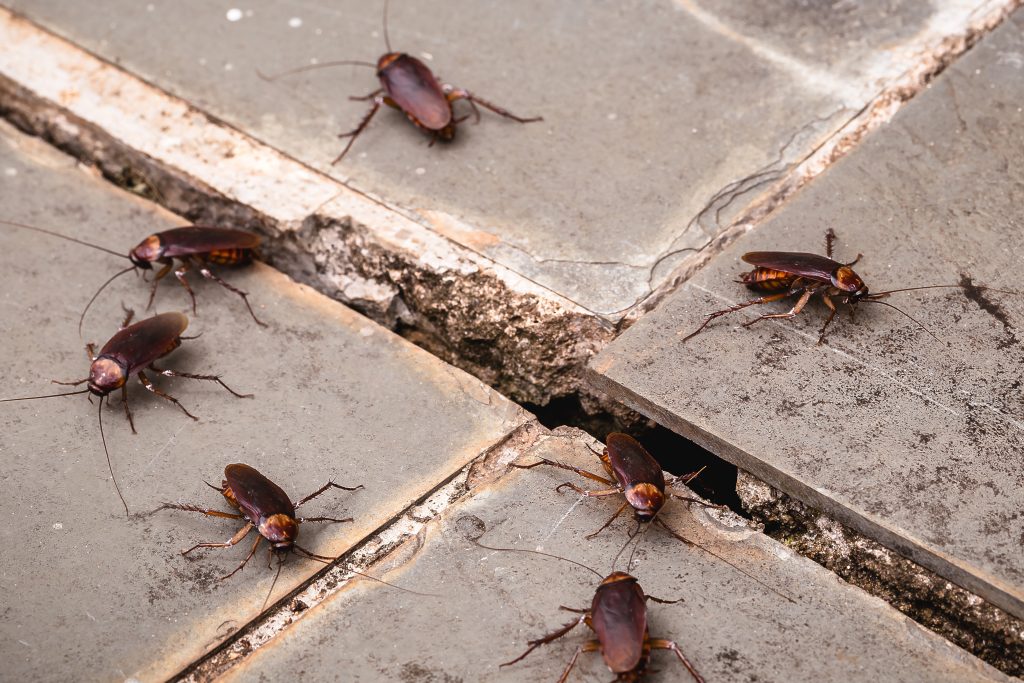
You turn on the kitchen light late at night and see cockroaches move near the sink, stove, or baseboards. By the time you look again, the roach is already gone. That quick sighting can feel random, but it usually has a reason, and it’s one of the most common questions homeowners across the state ask us. Cockroaches in Florida don’t really have an off-season, and the one you spotted is probably one of a handful of species that show up again and again in Florida homes.
In Jacksonville and across Northeast Florida, the long humid season keeps roach populations active for more of the year than in most of the country. Warm nights, nearby wooded lots, and the crawl spaces and garages common in older Florida homes all give roaches an easy path from the yard into the house. Heavy summer rainfall adds another layer, since it tends to push outdoor species toward the nearest dry structure.
This guide walks through the species most likely to turn up in your home, when sightings tend to rise and fall, the signs worth paying attention to, and when a DIY approach stops being enough. Understanding cockroaches in Florida starts with knowing which species you’re dealing with, since the right response depends on it.
Key Takeaways
- Florida’s cockroach problem usually comes down to a handful of species, from the large American cockroach to the fast-breeding German cockroach.
- Warm, humid weather keeps cockroaches active in Florida most of the year, though sightings tend to rise during the wet season.
- Food crumbs, grease, moisture, clutter, and small entry points can keep roaches active even after you clean.
- Sealing entry points helps, but a professional inspection and treatment plan is usually what it takes to bring an established infestation under control.
Common Types of Cockroaches in Florida
Five cockroach species account for most Florida home sightings, and the right response depends on telling them apart. Only one of them actually breeds indoors — the rest are outdoor wanderers that cross into homes when conditions push them to. Match size, color, and where you spotted it against the profiles below.
American cockroach
Low riskGerman cockroach
High riskSmokybrown cockroach
Low riskFlorida woods cockroach stinking cockroach
Low riskAsian cockroach
Low riskA German cockroach sighting calls for a different treatment process than an outdoor species passing through. Confirming which one you’re looking at is the first step before deciding on a plan.
Florida is home to several cockroach species, but most homeowners only need to recognize a handful of them. Knowing which one you’re looking at matters, because a species that breeds indoors calls for a different approach than one that mostly wanders in from outside. Size, color, flight behavior, and where you spotted it all offer clues. Getting the identification right the first time saves you from treating the wrong problem with the wrong method, which usually just means seeing the same roaches again a few weeks later.
Northeast Florida’s mix of wooded lots, dense landscaping, and older housing stock with crawl spaces and garages gives several of these species an easy route indoors. A yard backed by trees or thick mulch beds, common in many Jacksonville-area neighborhoods, tends to host more of the outdoor species described below, while tightly built homes with reliable moisture indoors, like a leaky under-sink pipe or a humid bathroom, are more likely to develop a German cockroach problem regardless of what’s happening in the yard.
American Cockroach
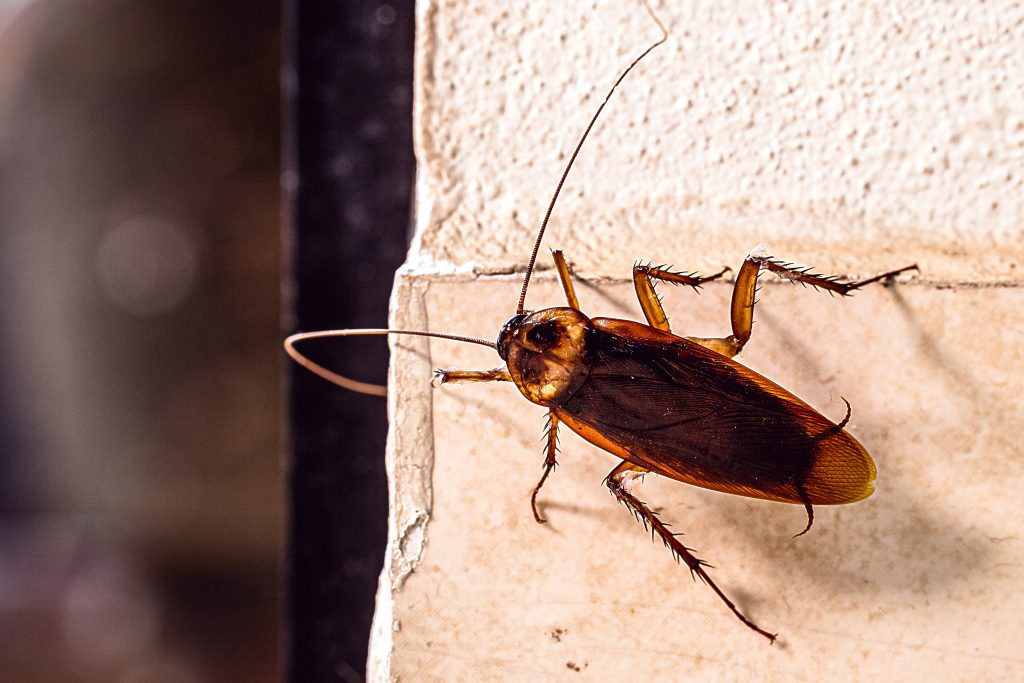
This reddish-brown roach is what most people picture when they hear “palmetto bug.” The University of Florida’s entomology department describes the American cockroach as the largest of the common household species, averaging about 1.5 inches long. It’s often found in sewers, crawl spaces, and damp basements before making its way indoors.
German Cockroach
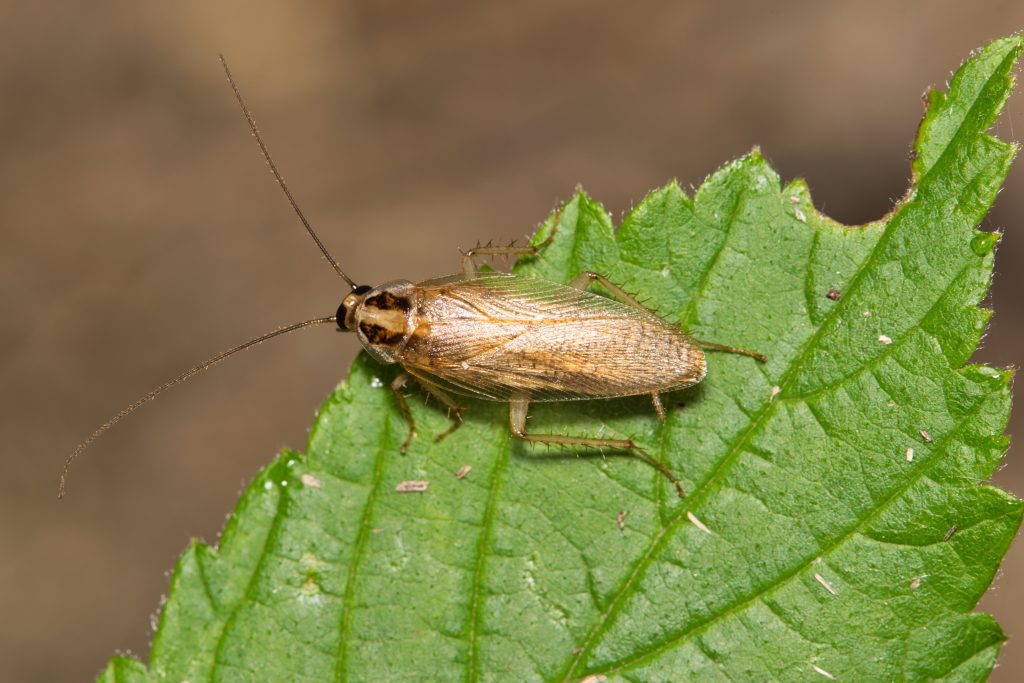
Small, light brown, and marked with two dark stripes behind the head, this is the species that actually breeds indoors. The UF entomology profile on the German cockroach notes it’s the species most associated with structures and multifamily housing across Florida. It sticks close to kitchens and bathrooms, where warmth, food, and moisture are easy to find.
Smokybrown Cockroach
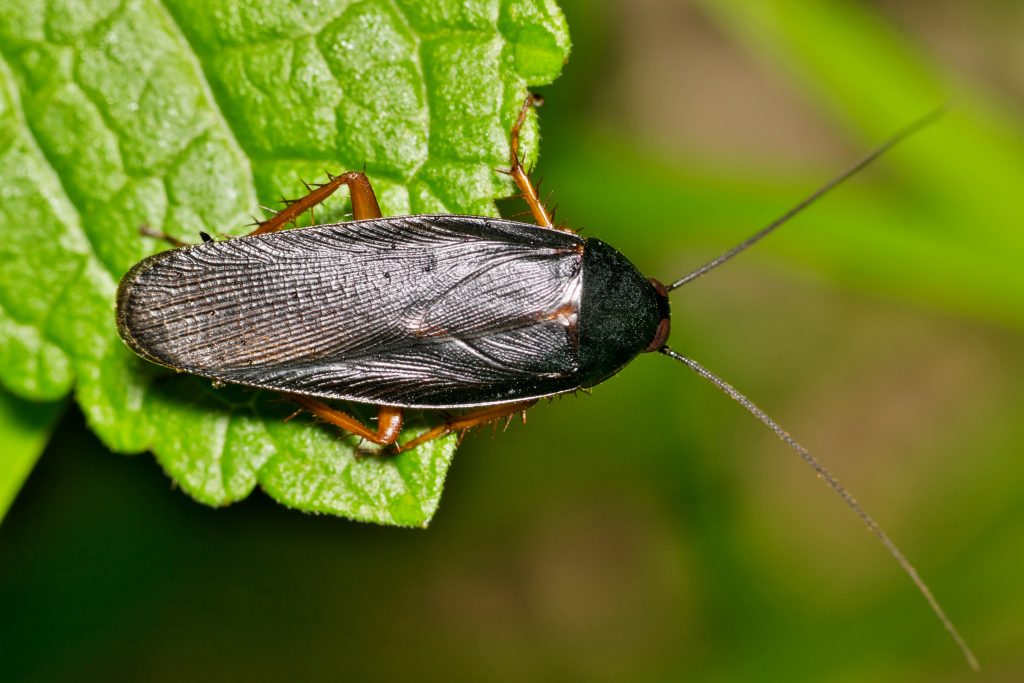
Shiny, dark brown to almost black, and a strong flier. According to University of Florida entomology records, this species is abundant outdoors and favors tree holes, wood piles, and attics. It’s drawn to porch lights at night, which is often how it ends up inside.
Florida Woods Cockroach

Also called the stinking cockroach for the odor it releases when disturbed, this large, dark species is profiled in a UF/IFAS species fact sheet as slow-moving and mostly confined to leaf litter and decaying wood outdoors. It rarely sets up shop inside but can wander into garages or onto porches.
Asian Cockroach
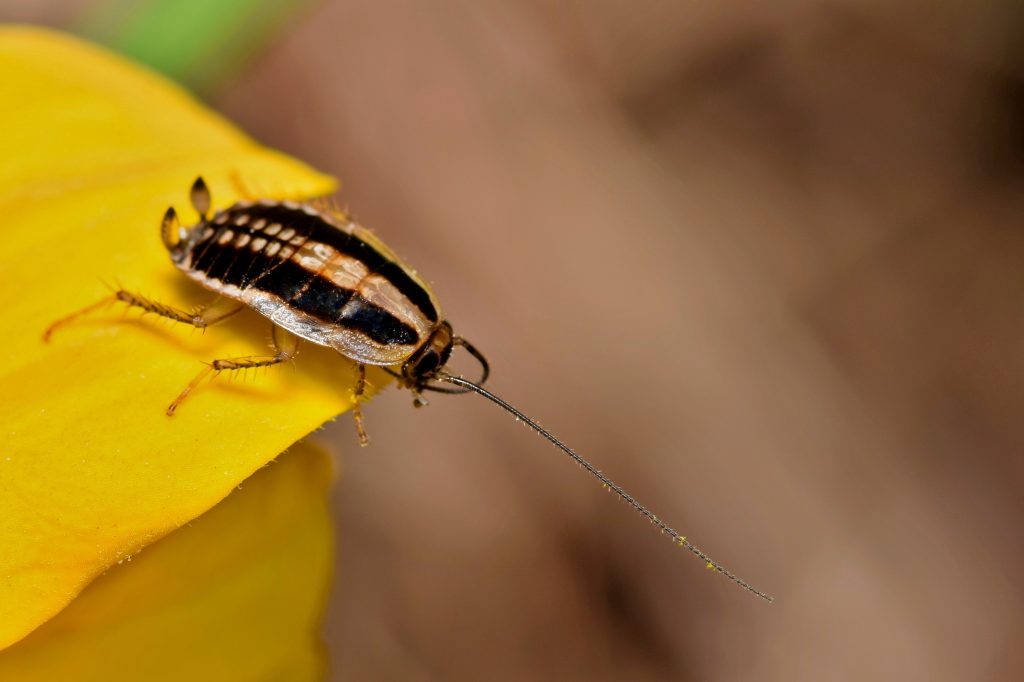
Nearly identical to the German cockroach in size and color, this species was first identified in Florida in 1986 and lives outdoors, flying toward light, sometimes in large numbers during warm weather.
Most of these outdoor species get lumped together under the nickname “palmetto bug,” but they’re distinct species with their own habits and life cycles. Telling them apart matters for more than curiosity’s sake. A German cockroach problem requires a treatment process that addresses indoor reproduction, while many outdoor cockroach species are often managed through a general pest control program using treatments selected for exterior activity and access around the home.
Why Florida Doesn’t Have a Roach Season
In cooler states, cockroach activity drops off in winter. Florida’s year-round warmth doesn’t give that same break, so populations can keep reproducing through most months of the year rather than dying back on a predictable schedule the way they would farther north. Even so, sightings do shift across the calendar in a fairly consistent pattern, and knowing when to expect more activity helps you catch a developing problem before it grows into a larger one.
Wet Season Increases Cockroach Sightings
Sightings tend to rise during Florida’s wet season, which typically runs from late spring through mid-October. In Jacksonville and the rest of Northeast Florida, that stretch brings heavy afternoon downpours that saturate mulch beds and low-lying yard areas, conditions that line up with when outdoor species like the American and smokybrown cockroach are most likely to wander toward homes. Warm, humid evenings during this period also bring out flying species such as the smokybrown and Asian cockroach, which are drawn to porch and exterior lighting around patios and lanais.
Cooler Months Don’t Mean Cockroaches Are Gone
Fewer sightings in the cooler months don’t necessarily mean the roaches are gone. The UF/IFAS cockroach management guide notes that outdoor species migrate indoors when conditions push them to, which can happen during cold snaps as easily as during heavy rain. A quieter winter can simply mean the activity has shifted into a crawl space, garage, or wall void where it’s harder to spot, rather than having gone away entirely. Homes near wooded lots or dense landscaping tend to see this shift more than homes on cleared, well-drained lots.
Signs You’re Dealing With a Cockroach Infestation
Not every roach sighting means you have a full infestation on your hands. A single roach seen outside at night, especially near a porch light or along a fence line, is often just an outdoor species passing through on its way somewhere else. What matters more than any one sighting is the overall pattern: how often you’re seeing them, where in the house they’re turning up, and whether other signs are showing up alongside the sightings rather than just an isolated bug here and there.
A few signs point to a bigger problem developing indoors:
- Seeing roaches during the day, since most species avoid light and only come out in numbers when a hiding spot is overcrowded
- Small, dark droppings that resemble coffee grounds near cabinets, baseboards, or appliances
- A musty, oily odor in cabinets or pantries
- Egg cases tucked into cracks or behind furniture
If you’re noticing more than one of these signs at once, especially daytime sightings paired with droppings, that combination is a stronger indicator that a population has established itself rather than a single roach that wandered in from the yard. At that point, sealing a gap or two around a door frame usually isn’t enough on its own, and it’s worth having someone confirm which species is involved and where it’s coming from before deciding on a treatment approach.
Health Risks From Cockroach Activity
Cockroaches carry more than an unpleasant reputation. Two separate risks are worth understanding, since they affect different people in different ways and call for different responses depending on which one applies to your household and who lives in it. Neither one means every sighting is a medical emergency on its own, but both are good reasons not to let an indoor population settle in and grow undisturbed over several months.
Asthma and Allergy Triggers
Droppings, shed skin, and saliva contain proteins that the Environmental Protection Agency identifies as a common trigger for asthma and allergic reactions, particularly in children. These particles can build up in household dust over time, especially in homes where an indoor-breeding species like the German cockroach has gone unaddressed for months. Reducing exposure typically means addressing the source population, not just cleaning visible debris, since the allergens persist even after the roaches themselves are gone.
Bacteria and Contamination
The CDC has documented cockroaches as carriers of bacteria linked to illness when they contaminate food or surfaces. Roaches pick this up by moving between drains, trash, and food prep areas, then depositing it wherever they travel next, including countertops and dishes that look clean. This risk is more relevant to species that spend time indoors near kitchens, which again points back to why identifying the species matters before deciding how urgent the response needs to be.
How to Prevent Cockroach Infestations in Florida
Florida’s outdoor living spaces, patios, lanais, and screened porches, are part of what makes the state’s homes appealing, but they also sit right at the boundary where outdoor cockroach species are most likely to cross into the house. A few consistent habits around that boundary go a long way toward keeping it intact, and none of them require special equipment or a significant amount of time to keep up with week to week.
- Seal gaps around pipes, utility lines, doors, and windows where roaches slip inside
- Fix leaky faucets and standing water, since moisture is what draws most species indoors
- Store food in sealed containers and clean up crumbs and spills right away
- Keep mulch and leaf litter pulled back from the foundation
- Swap bright white exterior lights for yellow bulbs, which attract fewer flying roaches, and check lanai or porch screens for small tears
These steps can reduce the conditions that attract cockroaches, but they August not control an established indoor population. Continued sightings, droppings, or egg cases can indicate that cockroaches are hiding beyond the areas you can easily reach. At that point, contact a pest control professional who can identify the species, assess the activity, and recommend an appropriate treatment approach.
How Professional Cockroach Treatment Works
The right cockroach treatment depends on which species is involved. An outdoor species wandering in from a Jacksonville-area yard requires a different approach than a German cockroach population breeding inside a kitchen.
ClearDefense Pest Control uses environmentally responsible products and targeted application methods based on the pest’s behavior, habitat, and life cycle. This cockroach control approach helps technicians focus treatment on the areas where cockroaches live, travel, and enter the home.
Standard Treatment for Outdoor Species
ClearDefense’s regular pest control program covers non-German cockroaches, including common outdoor-oriented species that August enter Florida homes. Treatment August focus on exterior areas, access points, and other locations associated with cockroach activity around the structure. Technicians select the products and application methods based on the species present and the conditions around the home.
Specialized German Cockroach Treatment
German cockroaches breed indoors and require a more thorough treatment process than other cockroach species. ClearDefense uses an insect growth regulator to slow reproduction, along with other treatment methods selected for the infestation. The process also requires cooperation from the homeowner so the technician can address the areas where cockroaches are active.
Cockroaches in Florida: Bottom Line
Cockroaches in Florida can remain active when a home provides moisture, shelter, food, or easy access indoors. A damp crawl space, a foundation gap, or an indoor food source can allow activity to continue. Identifying the species helps determine the right response because German cockroaches require a more involved service process than cockroaches that primarily live outdoors.
ClearDefense Pest Control selects treatment methods based on the cockroach species and the conditions around your home. The regular pest control program covers non-German cockroaches, while German cockroach infestations receive a more thorough initial service and closer follow-up. Contact ClearDefense Pest Control to discuss the activity and schedule the appropriate cockroach control service for your home.
Frequently Asked Questions
What is the most common cockroach in Florida homes?
The German cockroach is the species most likely to be breeding inside a Florida home, since it needs the food, warmth, and moisture that kitchens and bathrooms provide. Larger species like the American and smokybrown cockroach show up more often outdoors and wander in occasionally, but they rarely establish an indoor breeding population the way German cockroaches do.
Do cockroaches in Florida go away in the winter?
Not entirely. Florida’s mild winters let cockroach populations stay active on a year-round basis rather than dying back the way they would in a colder climate. Fewer sightings during cooler months don’t necessarily mean the roaches are gone, since outdoor species often just shift into a crawl space, attic, or garage where they’re harder to notice.
When is cockroach activity worst in Florida?
Sightings tend to rise during Florida’s wet season, roughly late spring through mid-October, when heavy rain pushes outdoor species like the American and smokybrown cockroach toward homes and warm, humid nights bring out flying species drawn to porch and exterior lighting. Activity doesn’t fully stop in cooler months, but it’s usually less visible.