
Camel Crickets in basement can cause costly problems when early signs are missed. Learn the signs, risks, and when to call ClearDefense Pest Control.
Key Takeaways About Basement Camel Crickets
- Camel crickets, also called cave crickets, are drawn to cool, damp, dark spaces like basements and crawl spaces, making those areas the most likely spots for an infestation.
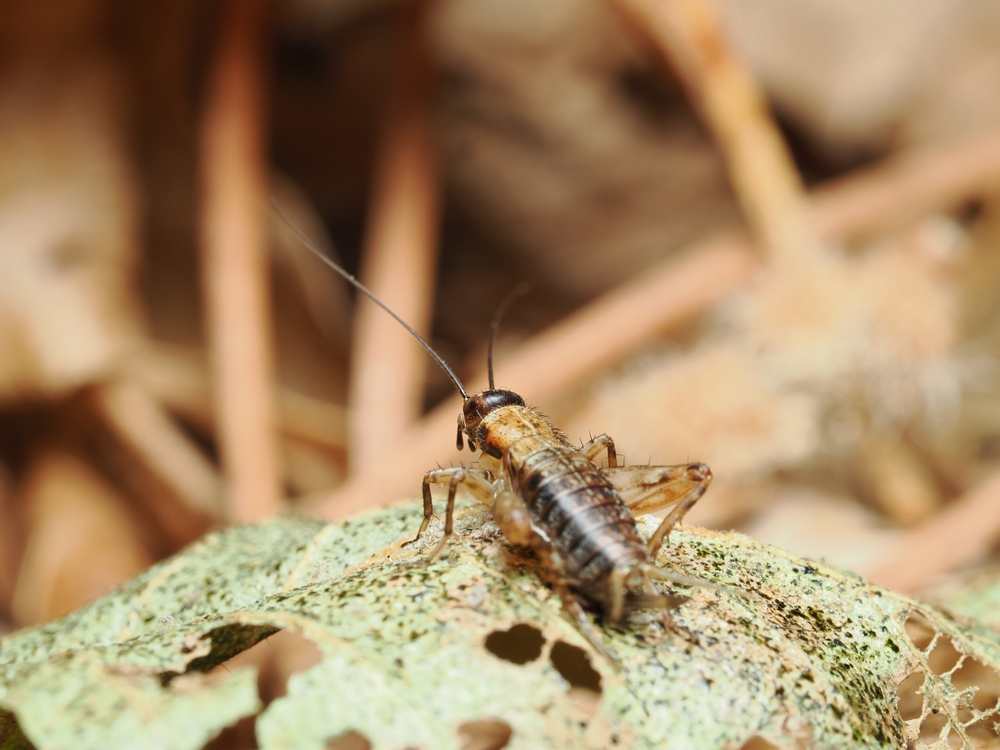
- These insects are not true crickets. They lack wings, do not chirp, and are recognized by their humped bodies and long antennae.
- Camel crickets may damage certain fabrics and household items, so addressing moisture and entry points is the first step toward reducing their presence.
- A recurring pest control plan that includes exclusion and moisture management can help keep basement cricket populations in check over time.
How to Identify Basement Camel Crickets
Camel crickets look different from other cricket species you may encounter around your home. According to Kansas State University Extension, they do not have wings and get their name from their humped appearance. That arched back sets them apart immediately from the flatter profile of field crickets or house crickets.
Female camel crickets also possess a long ovipositor at the tip of the abdomen. This thin, needle-like structure is sometimes mistaken for a stinger, but it is no real threat. If you spot a cricket in your basement with that tail-like extension, you are most likely looking at a camel cricket rather than another cricket species.
How to Tell Different Camel Cricket Species Apart
Knowing which cricket species you are dealing with helps you respond the right way. Field crickets are dark brown with enlarged hind legs and measure about 1 inch long. They look similar in size, but their coloring is more uniform and they hold their bodies flatter than a camel cricket’s distinct hump.
Unlike other cricket species and their relatives, house crickets can continue to reproduce indoors year round. Females August deposit 40 to 170 eggs in cracks and crevices in darkened areas of the home, often in basements or crawl spaces. Camel crickets, by contrast, are wingless and lack the chirping sound house crickets produce.
How to Spot Camel Cricket Activity Inside Your Basement Home
Camel crickets prefer a moist environment, so your basement is a natural draw. Using a fan or dehumidifier to dry out damp areas is one way to confirm whether moisture is fueling the problem. If activity drops after reducing humidity, camel crickets were likely the main concern.
Depending on the species, camel crickets may be predatory on other insects or may feed on various types of plant material. Look for them after dark, since they tend to stay hidden during the day.
Where Camel Crickets Are Most Active in Your Home
Crickets, along with ground beetles, earwigs, and millipedes, are common home invaders. In basements, camel crickets gravitate toward the dampest corners, near floor drains, water heaters, or any area where moisture collects.
Field cricket adult populations peak in late summer, which can increase overall cricket pressure around your home during that time. Camel crickets may already be inside your basement before you notice other cricket species arriving outdoors.
Exterior Entry Points Camel Crickets Use to Reach Your Basement
Camel crickets move toward moisture and darkness, so basement-level openings are their most likely path inside. Gaps around foundation walls, basement window frames, and utility penetrations all offer access.
Because several cricket species and other pests share the same entry points, sealing those gaps can reduce more than just camel cricket numbers. Keeping the perimeter dry and well-lit removes some of the conditions that draw them close to your foundation in the first place.
Why Camel Cricket Problems Develop in Your Basement
Camel crickets, also known as cave crickets, are drawn to cool, damp, and dark spaces. Your basement checks every box. Understanding what pulls them indoors and how they find their way in can help you reduce the conditions that keep them around.
Outdoor Nesting Areas Near Your Home
Outdoors, camel crickets are often found under logs and stones, where they feed on plant debris. According to the University of Minnesota Extension, these crickets prefer cool, damp, and dark areas. Yards with stacked firewood, landscape timbers, or stone borders near the foundation can support populations close to your home.
Because they already live in sheltered, ground-level spots, the short distance between an outdoor nesting area and a basement wall is easy for them to cover.
Food and Shelter That Attract Camel Crickets to Your Basement
Moisture and food are the main draws. Pests in general are attracted by moisture, warm air, and food sources. Odors from dead insects or biological material in a wall or crawl space can also pull them toward your home. They seek protection and shelter in dark cavities in walls or crawl spaces.
Once inside, crickets can feed on biological refuse, including dead insects. According to Kansas State University Extension, house crickets are scavengers that feed on a wide variety of materials, including houseplants, pet food, woolens, and silks. Removing food sources from the home helps reduce activity.
How Camel Crickets Move Through Your Home
Camel crickets are active at night, which means you may not see them during the day. They typically stay in damp basements, under slabs, and in crawl spaces. Because they are nocturnal, an infestation can grow before you notice it.
Without food or moisture removal, conditions in the basement continue to support them. Reducing humidity through ventilation or dehumidification takes away one of the main reasons they stay.
Trails and Entry Points Camel Crickets Use to Get Inside
Crickets move through cracks and crevices along the foundation. Repairing holes in screens and caulking cracks in foundations are two straightforward exclusion steps. Glue boards can be placed around entry points and other spots in basements to monitor activity.
Clearing dead insects and other arthropods from crawl spaces also helps. When food is removed from an area, pests tend to move on rather than stay. Focusing on entry points and food removal addresses both halves of the problem.
Risks From Basement Camel Crickets
Camel crickets are not dangerous pests in the way that stinging or biting insects can be, but they still create problems worth understanding. A basement population that goes unnoticed can damage clothing and other stored belongings while making lower-level living spaces less comfortable.
Health Risks Linked to Basement Camel Crickets
Camel crickets are primarily a nuisance. There is no supported evidence that they spread disease to people or pets. They do not bite or sting, so direct health concerns are minimal. The main issue is the stress of finding large, jumping pests in your basement or crawlspace, especially at night when these crickets become active.
Because they prefer cool, dark areas and remain hidden during the day, you may not realize how many are present until the population grows. That hidden activity can make the surprise factor worse when you encounter them after dark.
Property Damage From Camel Crickets in Basement
According to the University of Tennessee Extension, camel crickets may damage clothing. Stored fabrics in basement boxes or on shelving can become targets, particularly when items sit undisturbed for long stretches. If you keep seasonal wardrobes, blankets, or other textiles in a below-grade storage area, these pests can be a concern.
This type of damage tends to go unnoticed until you pull items out of storage and find irregular holes or surface wear. Basements, crawlspaces, wall voids, and sheds where humidity runs high are the spaces these pests favor most.
Food Areas and Camel Cricket Activity in Basement Homes
Homes with finished basements sometimes include kitchens, pantries, or food-prep areas on the lower level. Because camel crickets are common inhabitants of basements and other high-humidity spaces, any food stored below grade could draw activity. Keeping those areas dry and well-organized reduces the conditions that attract these pests.
When to Look Closer at Camel Cricket Activity in Basement
Because camel crickets are nocturnal and tend to remain hidden during daylight, a single sighting often means more are nearby. Watch for repeated encounters in the same area, especially around wall voids, storage zones, or crawlspace access points.
If you begin noticing damage to clothing or fabrics in storage, that is another signal the population may be established. Addressing moisture and sealing entry points into the structure are the first steps toward reducing their numbers in your basement.
Professional Pest Control for Camel Crickets in Basement
Dealing with camel crickets in your basement starts with understanding what draws them there and how a professional approach differs from guesswork. The steps below cover what you can do on your own and what a trained service team brings to the process.
How to Reduce Attractants for Camel Crickets in Basement
Camel crickets show up in basements, closets, storage rooms, and other spots where items sit stacked and undisturbed for long stretches. Reducing clutter in these areas removes the cover they rely on and makes it harder for them to settle in.
Moisture is the other major draw. According to the University of Georgia pest guide, ventilating or dehumidifying the areas where camel crickets are found is a core part of control. Running a dehumidifier or improving airflow in your basement can make the space less appealing to them.
Keep stored boxes off the floor when possible. The less ground-level cover available, the fewer places camel crickets can gather unnoticed.
Why Camel Cricket Control in Basement Starts With Inspection
Before any treatment, A full inspection of your basement tells the story. Sticky traps placed in high-moisture zones reveal where activity is concentrated.. Sticky traps are one of the best inspection tools available. Place them in areas where camel crickets are found, since these crickets are especially attracted to sticky traps, according to the University of Minnesota Extension.
Trap placement helps pinpoint where activity is concentrated. That information guides where treatment should be focused rather than applying products broadly across spaces that may not need attention.
A ClearDefense service professional walks through the same process during an inspection, documenting findings in a Defense Report so you know exactly what was found and where.
What to Expect During Professional Camel Cricket Treatment in Basement
Professional treatment for camel crickets in your basement typically involves spreading granular bait or applying gel bait in the areas where activity has been confirmed. These targeted applications focus on the zones identified during inspection.
At the same time, your service professional will assess moisture conditions and ventilation. Addressing humidity is part of the control process, not a separate step. Without drying out affected areas, bait alone may not deliver lasting results.
ClearDefense documents every product used during treatment in your Defense Report, so there is a clear record of what was applied and where.
What to Expect From a Basement Camel Cricket Control Plan
ClearDefense provides recurring pest control rather than one-time visits. A recurring plan means your basement is checked on a regular schedule, and sticky traps can be monitored over time to track whether camel cricket activity is rising or falling.
Each visit follows a prevention-first approach. That means your service professional looks at conditions that attract camel crickets, such as excess moisture and undisturbed storage areas, and notes any changes since the last visit.
Because camel crickets can settle into basements, closets, and storage rooms wherever clutter and humidity persist, ongoing monitoring is the clearest way to stay ahead of renewed activity in your home.
Bottom Line on Camel Crickets in Basement
Camel crickets gravitate toward basements because those spaces offer the cool, damp, dark conditions they prefer. They are not dangerous to people, but they can become a nuisance when populations grow indoors. The most practical approach combines moisture control, sealing entry points, and ongoing monitoring. Because these crickets tend to stay hidden during the day, a recurring pest management plan catches activity you might never notice on your own. If you are finding camel crickets in your basement, reach out to ClearDefense Pest Control to request a quote for a recurring service plan.
Frequently Asked Questions About Camel Crickets in Basement
Why Do They Prefer Basements Over Other Rooms?
Basements tend to hold more humidity than the rest of a home. Camel crickets seek out cool, dark, moist areas, so an unfinished or poorly ventilated basement is a natural fit. Crawlspaces and wall voids can draw them in for the same reasons. Reducing moisture with ventilation or a dehumidifier makes the space less appealing to them.
Do Camel Crickets Cause Any Damage?
They are not a structural threat like termites or carpenter ants. However, crickets in general may damage clothing and certain fabrics. Keeping storage areas tidy and dry helps limit the chance of material damage in your basement.
How Can I Tell Them Apart From Other Crickets?
Camel crickets have a distinctive humped, brown body and long antennae. Their humped, brown body and lack of chirping set them apart from house crickets and field crickets. Their powerful hind legs let them jump suddenly when disturbed, which is often how homeowners first notice them.
Is One-Time Treatment Enough?
A single treatment August knock down the crickets you see today, but it does not address the underlying conditions that attracted them. ClearDefense offers recurring pest control plans rather than one-time services. Recurring visits allow your service professional to monitor for new activity, reapply products where needed, and track moisture conditions that could invite crickets back.