
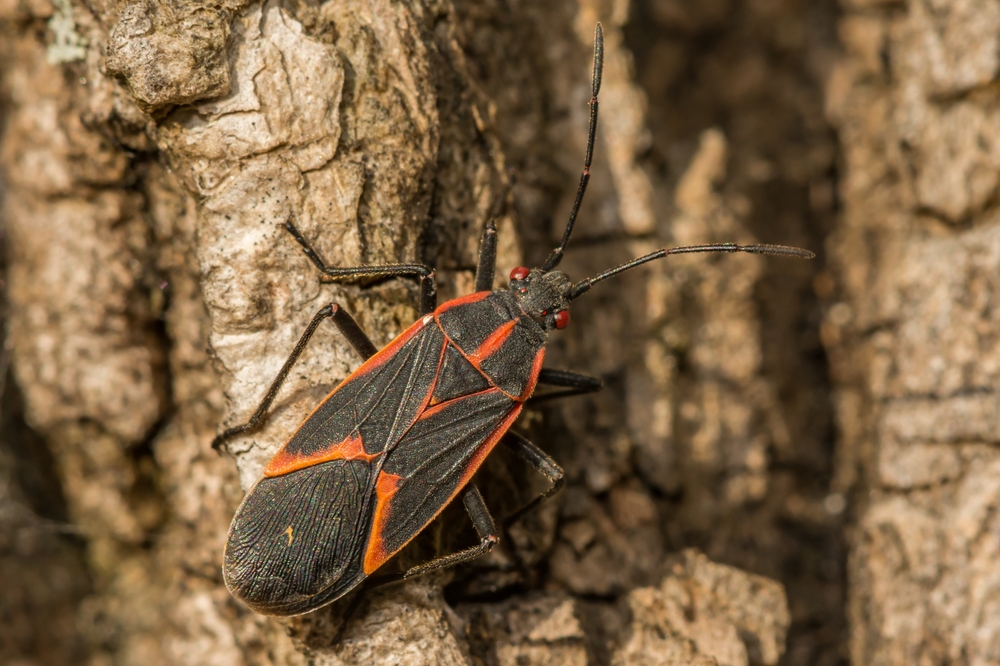
Boxelder Bugs in House can cause costly problems when early signs are missed. Learn the signs, risks, and when to call ClearDefense Pest Control.
Key Takeaways About House Boxelder Bugs
- Boxelder bugs are nuisance insects that can enter homes in large numbers, but they do not bite, sting, or feed on household goods.
- These bugs are closely associated with boxelder trees and may travel to nearby buildings when cooler temperatures arrive, looking for sheltered spots to spend the winter.
- A combination of sealing entry points and, when needed, professional treatment around your home can help reduce boxelder bug activity indoors.
How to Identify House Boxelder Bugs
Boxelder bugs (Boisea trivittatus) feed on several species of trees and can show up inside your home when the seasons shift. Knowing what they look like, where they gather, and how they get indoors helps you respond before large numbers settle in.
How to Tell Boxelder Bug Types Apart in House
Adult boxelder bugs are the ones you are most likely to notice indoors. They emerge from overwintering as temperatures increase in spring and begin mating soon after, according to Texas A&M AgriLife Extension. Adults are the stage you are most likely to notice indoors, identifiable by their dark coloring with distinctive markings along the wings and body.
Nymphs look different. In spring, overwintered females lay eggs in the cracks and crevices of box elder tree bark, and the nymphs hatch in a few days. Nymphs are smaller and look noticeably different from adults. If you spot small, wingless bugs on or near a box elder tree, those are likely the immature stage.
How to Spot Boxelder Bug Activity Inside Your House Home
The clearest sign of boxelder bugs in your house is seeing the adults clustered together on interior walls, around windows, or near other warm surfaces. They tend to gather in groups rather than appearing one at a time.
Activity often becomes noticeable during two seasonal windows. In fall, adults move toward structures looking for dry, sheltered places to overwinter. Then, as spring temperatures rise, any bugs that overwintered inside your walls or attic August become active again and show up in living spaces.
Where Boxelder Bug Activity Shows Up Around House Homes
According to UC IPM, adults seek overwintering places in dry, sheltered spots: hollow tree trunks, under rocks, boards, and other debris, in cracks and crevices in walls, in door and window casings, around building foundations, and inside houses. Indoors, you may find them congregating near south-facing or west-facing walls that receive direct sun.
Outdoors, check under loose bark on nearby box elder trees. Females lay eggs in bark crevices in spring, so heavy nymph activity on a tree can signal that adults August later move toward your home.
Exterior Entry Points Boxelder Bugs Use Around House Homes
Boxelder bugs take advantage of small openings to get inside. Cracks and crevices in exterior walls are common routes. Door and window casings that have gaps or worn seals also provide easy access. Gaps around building foundations are another frequent entry point.
Because these bugs can fit through surprisingly tight spaces, even well-maintained homes may see a few get indoors. Focusing on the areas listed above, especially on the sun-warmed sides of your home, gives you the best chance of spotting entry points early.
Why Boxelder Bug Problems Develop in House
Boxelder bugs are a nuisance pest tied closely to specific trees and seasonal cycles. Understanding what draws them to your home, and how they get inside, helps you see why they seem to appear out of nowhere each year.
Outdoor Nesting Areas for Boxelder Bugs Around House Homes
The primary outdoor habitat for boxelder bugs centers on boxelder and silver maple trees. These trees provide the leaves and seeds the bugs depend on for food. Female boxelder trees (the pod-bearing variety) are especially important to the pest’s life cycle.
During warmer months, boxelder bugs congregate on and around these host trees. In late fall, mature boxelder bugs migrate away from the trees to seek shelter for the winter. Sunny exterior walls and foundations near host trees often become gathering spots before the bugs move closer to structures.
Food and Shelter That Attract Boxelder Bugs Around House Homes
Boxelder bugs feed on the leaves and seeds of boxelder and silver maple trees. The box elder tree is the main source of food for this pest, so homes near these trees tend to see more activity. However, adult boxelder bugs can fly up to a couple of miles from their food source, according to the University of Minnesota Extension. They do not need to be near the trees to show up at your house.
As temperatures drop, these bugs look for dry, sheltered spots to ride out winter. Your home offers exactly the kind of warmth and protection they need during late fall and winter months.
How Boxelder Bugs Move Around House Homes
Boxelder bug activity follows a clear seasonal pattern. During the coldest part of winter, the bugs remain inactive. On warm, sunny days in late winter or early spring, they return to activity and start leaving their winter shelter in search of egg-laying sites.
This seasonal movement explains why you may notice them indoors even in the middle of winter. A stretch of mild weather can wake them up temporarily, sending them crawling across interior walls and windows before they settle back down.
Trails and Entry Points Boxelder Bugs Use in House
Boxelder bugs find their way inside through small openings in your home’s exterior. According to Kansas State University Extension, it is rarely possible to completely seal them out, but caulking cracks and crevices and replacing damaged screens can help reduce the number that get through.
Because the bugs are small and persistent, even well-maintained homes can see some indoor activity during peak migration periods in late fall. Addressing gaps and screen damage before the season shifts gives you the best chance of limiting how many find their way in.
Risks From House Boxelder Bugs
Boxelder bugs are not a structural or medical threat, but that does not mean they belong in your living space. Understanding what they can and cannot do helps you decide how urgently to respond when you spot them indoors.
Health Risks Linked to House Boxelder Bugs
The good news is that boxelder bugs pose no real threat to people. According to Purdue Extension, they cannot bite or sting. According to Purdue Extension, they cannot bite or sting, and they are considered nuisance pests rather than a health concern for people.
Their primary issue is comfort, not health. Large numbers congregating on walls, windows, or curtains can feel unsettling, but the bugs themselves are no real threat to touch. Remove or replace with a supported nuisance-framing statement, e.g., ‘Their presence is a cleaning and comfort issue, not a health matter.
Property Damage From Boxelder Bugs in House
Boxelder bugs do not cause significant damage to landscape plants, and they pose no structural risk to your home. As Purdue Extension notes, even when large numbers gather on host plants, their feeding causes no appreciable damage to trees.
Indoors, the concern is nuisance rather than destruction. They are not wood-borers and do not chew through building materials. Management only needs to focus on keeping them out of the home, where they may become a nuisance.
Food Areas and Boxelder Bug Activity in House Homes
Boxelder bugs are not attracted to your food supply. They feed by extracting juices from outdoor host trees such as boxelder, maple, and ash. Once inside, they are looking for shelter, not a meal. You may occasionally spot one near a kitchen window or countertop, but it wandered there while seeking warmth, not food.
Still, no one wants insects near food-prep surfaces. A stray boxelder bug on a counter is a nuisance worth addressing, even though it does not contaminate what it touches.
When to Look Closer at Boxelder Bug Activity in House
Boxelder bugs get into homes in late summer and fall as temperatures drop. Adults search for protected cracks and crevices in which to pass the winter, squeezing into gaps around the foundation, windows, doors, or under siding and shingles.
According to the University of Minnesota Extension, if large numbers of these insects die off indoors, you may notice a larder beetle problem the following season. That secondary pest issue is one reason to take preventive action early.
Sealing cracks and crevices and inspecting the outside of your home for areas that boxelder bugs may find as suitable overwintering locations can reduce the number that make it inside. Paying attention to fall activity on sunny exterior walls is a practical first step.
Professional Pest Control for Boxelder Bugs in House
Keeping boxelder bugs in house under control takes more than a one-time effort. A combination of reducing what attracts them, thorough inspection, and professional treatment gives you the best path toward fewer bugs indoors. Below is what that process looks like and how ClearDefense Pest Control approaches it.
How to Reduce Attractants for Boxelder Bugs in House
Boxelder bugs usually feed on the leaves, flowers, and seedpods of the female (seed-bearing) box elder tree. They can also feed on the fruits of apple, cherry, peach, pear, plum, and almond trees, as well as grapes. If your yard has any of these trees, the bugs have a ready food source close to your home.
They may also subsist on male box elder trees and occasionally occur on maple and ash trees. Identifying and managing these host trees on your property is one of the first steps toward reducing the number of boxelder bugs drawn to your house.
Because these bugs are susceptible to drowning, you can wash them off walls or tree trunks with a forceful stream of water. According to UC IPM, this simple step can knock down visible clusters before they move closer to entry points.
Why Boxelder Bug Control in House Starts With Inspection
As boxelder bugs mature and leave their host trees, they sometimes mass around foundation walls, along fence rows, at the bases of trees, and near evergreen shrubs. Spotting these gathering areas early tells a service professional exactly where pressure is building.
A careful look at your home’s exterior helps map the spots where bugs are clustering and where they may be finding ways inside. Without that information, any treatment is guesswork. ClearDefense service professionals document their findings in a Defense Report so you can see exactly what was found and where.
What to Expect During Professional Boxelder Bug Treatment in House
If large numbers of boxelder bugs are present, or you have a history of boxelder bug invasions, non-product methods alone may not be enough. As the University of Minnesota Extension notes, you can supplement those efforts with a treatment around the outside of your home.
Outdoor treatment targets the areas where bugs tend to congregate: foundation walls, fence lines, tree bases, and shrub beds. Addressing these zones before the bugs move indoors helps reduce the number that end up in your living space.
ClearDefense uses a prevention-first IPM approach. Each visit includes a Defense Report that records every product applied and every finding, so you always know what was done and why.
What to Expect From a House Boxelder Bug Control Plan
Boxelder bugs in house situations tend to recur when host trees remain nearby. That is why ClearDefense offers recurring pest control rather than one-time visits. A recurring plan means your home’s exterior is monitored and treated on a schedule, not just when you notice a problem.
Between visits, you can keep pressure low by washing bugs off surfaces with water and managing seed-bearing box elder trees or fruit trees on your property. Your service professional can point out which trees and landscape features are contributing the most.
With a documented plan in place, you know exactly what has been applied and what to watch for between services. Every Defense Report gives you a clear record you can reference any time.
Bottom Line on Boxelder Bugs in House
Boxelder bugs are nuisance pests that feed on boxelder and silver maple trees and look for sheltered spots to spend the winter. They cannot bite or sting, and they pose no structural threat. The real frustration comes when they gather in large numbers inside your home during fall and again in spring. Sealing entry points and reducing harborage areas around your foundation are the most practical first steps. For ongoing prevention, ClearDefense Pest Control offers recurring service plans designed to keep these pests from becoming a seasonal headache. Request a quote to get started.
Frequently Asked Questions About Boxelder Bugs in House
Why Are They Coming Inside?
When temperatures drop in the fall, boxelder bugs seek dry, sheltered spaces to overwinter. Your home’s walls, foundation gaps, and window casings can provide exactly the kind of protection they need. They are not feeding or breeding indoors. They are simply looking for warmth.
Do They Cause Any Damage?
Boxelder bugs are considered a nuisance pest. They cannot bite or sting, and their feeding on host trees is of little consequence. The main concern is the sheer number that can show up inside a home, which makes them a frustration rather than a threat.
Will Removing a Boxelder Tree Solve the Problem?
Not necessarily. Adult boxelder bugs can travel considerable distances from their food source. Removing a tree in your yard does not prevent bugs from arriving from trees elsewhere in the area.
What Can a Recurring Service Do?
A recurring pest control plan from ClearDefense addresses boxelder bugs as part of broader seasonal coverage. Your service professional documents every finding in a Defense Report, so you know exactly what was found and what was applied. This approach focuses on prevention rather than reacting after bugs have already moved in.