
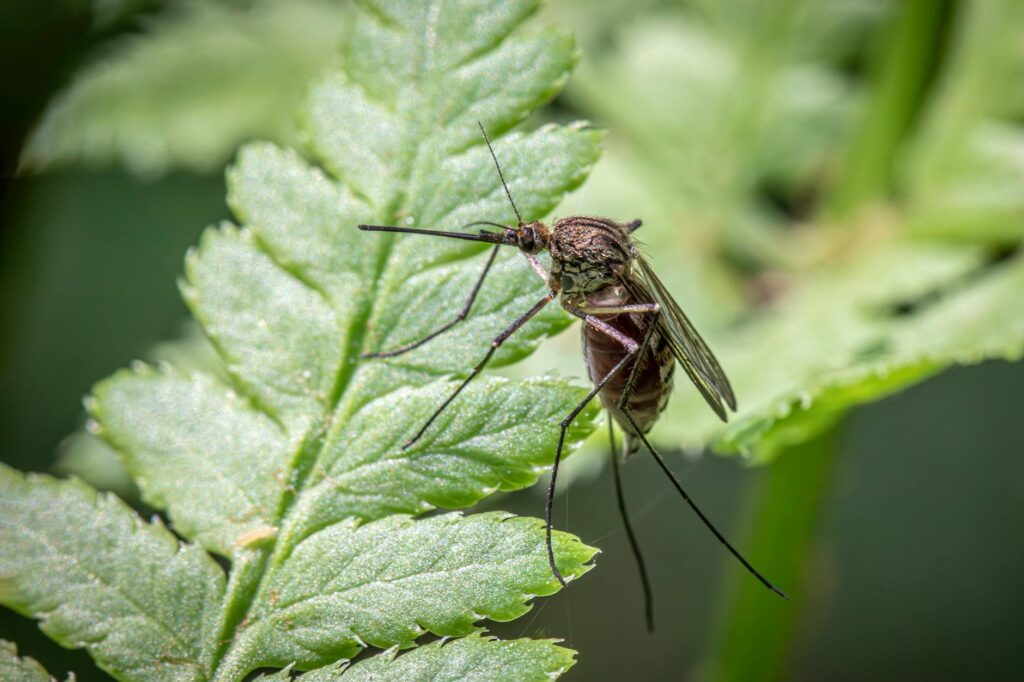
You sit outside in the evening expecting a quiet night on the patio, but mosquitoes keep circling around your chairs, planters, and landscaping beds. Some homeowners turn to herbs and scented greenery for relief, especially around porches and outdoor seating areas. The best plants to repel mosquitoes are lavender, rosemary, citronella, and basil. These help make certain parts of your yard less inviting to mosquitoes when paired with proper yard maintenance.
But plants alone rarely solve a mosquito problem. Standing water in flower pots, clogged gutters, and damp areas around landscaping can still support mosquito breeding close to your home. Without reducing those conditions, mosquito activity can continue even in heavily planted yards. This guide explains which plants may help discourage mosquitoes and when it makes sense to contact ClearDefense for recurring mosquito control around your property.
Key Takeaways About Best Plants to Repel Mosquitoes
- Some plants with highly scented foliage may help discourage mosquitoes in your garden, but plants alone rarely solve a mosquito problem on their own.
- Standing water in flower pots and containers can become a breeding ground, so yard maintenance matters just as much as what you plant.
- A recurring mosquito reduction program that includes fogging and larvicide treatments can lower mosquito populations over time, even after rainfall.
- Pairing the right plants with professional mosquito services gives your yard the strongest layer of defense against persistent mosquito activity.
How to Identify the Best Plants to Repel Mosquitoes
Choosing the best plants to repel mosquitoes starts with understanding what you are looking at and where to place them. Not every fragrant herb or flowering species works the same way, and results can vary depending on the mosquito species in your area and your own activity level outdoors.
How to Select the Best Plants to Repel Mosquitoes
When selecting plants for mosquito deterrence, keep in mind that choosing resistant plant species is a practical alternative for gardeners who prefer to avoid broad-spectrum approaches. Swapping out vulnerable plantings for resistant varieties can help reduce the conditions that attract pests to your yard in the first place.
Flowering species also play a role worth understanding. According to UC IPM, planting flowering species near problem areas can support beneficial parasites by providing flower nectar, which helps those natural predators live longer and reproduce more. The right bloom in the right spot does more than look good.
Why Indoor Repellent Plants Have Mixed Results
Potted plants brought indoors can sometimes carry mosquito activity with them. Repellent plants placed near windows or doorways August discourage mosquitoes from lingering, but results are not uniform. The performance of any repellent depends on the mosquito species involved, as well as the age, sex, level of activity, and individual attractiveness of the person nearby.
This means a plant that seems to work well for one household member may not offer the same level of deterrence for another. Consider placement, variety, and realistic expectations when relying on indoor plantings alone.
Where to Put Plants to Repel Mosquitoes
Mosquito activity tends to concentrate in shaded, sheltered areas of your yard. Positioning the best plants to repel mosquitoes along patios, walkways, and seating areas can help create a less inviting environment for mosquitoes in those zones.
Flowering species planted near commonly affected trees or shrubs can also attract beneficial insects that help manage broader pest populations. Thorough coverage of foliage matters when relying on plant-based approaches, since contact with the pest is often required for any meaningful result.
Exterior Entry Points Mosquitoes Use
Mosquitoes follow air currents through open doors, garage bays, and gaps around windows. Placing repellent plants near these entry points can create a natural buffer zone. Resistant plant species positioned around doorways and porches offer a low-maintenance layer of deterrence.
Keep in mind that no single plant provides equal protection for every person or every mosquito species. Combining the best plants to repel mosquitoes with other yard management steps gives you a more complete picture of what is working and what needs attention.
Why Mosquito Problems Develop
Mosquito problems around your yard often start in the same spots where you grow and maintain plants. Understanding why these pests show up near gardens and landscaping helps you see where repellent plants fit into a broader strategy.
Outdoor Mosquito Nesting Areas
Mosquitoes breed in standing water, and flower pots and plant containers are common culprits. Water that pools on the soil surface inside a planter creates an ideal breeding site. According to Purdue Extension, you should inspect the water in flower pots and plant containers weekly and change it if mosquito larvae are visible.
Loosening soil in flower pots regularly helps water penetrate through instead of forming a stagnant pool on the surface. Even small amounts of still water can support mosquito larvae, so container gardens deserve close attention.
Food and Shelter That Attract Mosquitoes
Dense foliage gives adult mosquitoes shaded resting spots during the day. Lush garden beds, ferns, and thick groundcover can hold moisture and block airflow, both conditions mosquitoes favor.
Mosquitoes can also affect the areas you enjoy most outdoors. There is potential contamination of food, plants, and recreation areas when populations go unchecked. That means your garden, patio dining space, and play areas can all be impacted.
How Mosquitoes Move Around Homes
Mosquitoes travel from neighboring properties toward yards that offer water and shelter. Plants with highly scented foliage, such as lavender, rosemary, and sage, may help discourage them. Other commonly grown plants like ferns, cyclamen, hydrangea, nasturtium, and lantana are also noted for their scented foliage, as UC IPM explains.
However, Oregon State University notes that products with plant-based oils as active ingredients only work on contact and do not provide any residual activity. That means the scent from a garden bed alone may not keep mosquitoes away for long once they arrive.
Trails and Entry Points Mosquitoes Use
Mosquitoes do not follow fixed trails the way some pests do. They move toward moisture, shade, and carbon dioxide. Planters near doorways, window boxes, and porch containers can draw mosquitoes close to your home’s entry points.
Keeping container soil loose so water drains through rather than pooling on the surface is one of the simplest steps you can take. Changing the water in plant saucers weekly removes potential breeding sites right next to your doors and windows.
Risks From Using Plants to Repel Mosquitoes
Planting for mosquito control sounds straightforward, but the approach carries its own set of concerns. The plants you choose can attract other pests, interact poorly with certain treatments, and still leave gaps in your mosquito protection. Understanding these risks helps you make better decisions for your yard.
Health Risk From Mosquito-Repellent Plants
Relying on plants alone August give a false sense of security against mosquito bites. The best way to avoid bites is still to wear protective clothing and use insect repellent, especially repellents containing DEET or picaridin. Plants in your garden do not replace personal protection.
Oil of lemon eucalyptus is a repellent derived from natural materials, but it has limits. It has not been tested against mosquitoes that spread malaria and some other diseases. The label also specifies it should not be used on children under 3 years of age. That is an important detail for families with young kids.
Property Damage From Mosquito-Repellent Plants
Some repellent plants are herbaceous varieties that can attract their own pests. Western flower thrips, primarily a pest of herbaceous plants, can also damage flowers on woody plants if they come in large populations. Adding more herbaceous plantings to your landscape may increase thrips pressure nearby.
Oil-based treatments sometimes used on garden pests can cause phytotoxicity, meaning direct damage to the plants themselves. This risk rises with species that host a diverse range of pests, so choosing the wrong plant can create a cycle of new problems.
Food Areas and Best Plants to Repel Mosquito Activity
If you grow herbs or edible plants alongside mosquito-repelling varieties, pests drawn to those plantings can spread to your food garden. Thrips and scale insects attack a wide range of host plants. Grouping repellent plants near vegetable beds or outdoor dining areas may not reduce pest activity the way you expect.
When to Look Closer at Mosquito Activity
Plants alone rarely provide full coverage. If you still notice frequent bites despite your garden choices, it is worth contacting your local mosquito abatement or vector control district for guidance. A recurring mosquito management program that addresses breeding conditions across your entire yard can fill the gaps that plants leave behind.
Professional Pest Control for Mosquito Activity
Planting mosquito-repelling varieties is a solid first step, but plants alone may not keep your yard comfortable all season. A layered approach that pairs the right greenery with professional mosquito reduction can make a real difference in your outdoor space.
How to Reduce Attractants for Mosquitoes
Plant essential oils from cedar, citronella, geraniol, and other species can help discourage mosquitoes in your yard, according to Oregon State University. Placing these plants near patios and entryways puts their scent where you need it most.
Keeping ants out of your plants matters too. Ants can protect certain pests from natural enemies, which disrupts the balance of your garden. Managing ant activity around your plantings supports overall yard health.
Row covers or cages over small plants can help exclude flying insects. This kind of physical barrier adds another layer of protection alongside your mosquito-repelling plants.
Why Mosquito Control Starts With Inspection
ClearDefense technicians walk your property to identify conditions that help mosquitoes breed and thrive. They look for areas that contribute to infestations and communicate their findings to you. Addressing those conditions can often reduce mosquito pressure without additional product.
If you use plant-based oils in your landscape, test for potential phytotoxicity by applying the oil to a small group of plants or plant parts before widespread use. This step, recommended by UC IPM, helps protect your garden while you work on mosquito control.
What to Expect During Professional Mosquito Treatment
ClearDefense uses backpack fogging treatments with products like Duraflex or Tempo SC. Each monthly application reduces the mosquito population on your property. A larvicide containing an insect growth regulator is also applied. It prevents the growth and reproductive cycle of mosquitoes and is spread by the mosquitoes themselves, so there is no need to locate every source of standing water.
Each treatment takes roughly twenty minutes, though yard size can affect timing. Treatments hold up after rainfall and greatly reduce mosquito numbers over time, even in rainy weather.
When treating houseplants or interiorscape containers, move them outdoors as a precaution if possible. Wait about a day after application before bringing them back inside.
What to Expect From a Mosquito Control Plan
ClearDefense offers recurring mosquito reduction services. Each application decreases the number of mosquitoes on your property. Monthly fogging adds a barrier that discourages mosquitoes from neighboring properties from gaining a foothold on yours.
Every visit includes a Defense Report documenting each product used and every finding. If mosquito activity returns between visits, ClearDefense backs the service with a re-treat guarantee. Pairing professional treatments with the best plants to repel mosquitoes gives your yard consistent, layered coverage throughout the season.
Bottom Line on Best Plants to Repel Mosquitoes
Planting species with scented foliage can be one part of a broader mosquito management plan, but plants alone rarely provide full relief. Combining the right plantings with habitat management and professional treatment gives you the strongest defense. ClearDefense Pest Control offers recurring monthly fogging and larvicide programs designed to reduce mosquito populations over time. Contact ClearDefense to request a quote and learn how a recurring plan can complement your yard’s natural defenses.
Frequently Asked Questions
Do mosquito-repelling plants work on their own?
Certain plant essential oils, including citronella, peppermint, geraniol, rosemary, and cedar, are associated with mosquito-repelling properties. However, a living plant releases far less oil into the air than a concentrated product. Relying on plants alone August leave gaps in coverage, so pairing them with other strategies is a practical approach.
What else can I do around the yard?
Reducing standing water is one of the most helpful steps you can take. Mosquitoes need still water to breed, so managing conditions around your property limits their ability to reproduce. ClearDefense technicians identify and communicate areas that may be contributing to mosquito activity during each visit.
How does professional mosquito treatment help?
ClearDefense uses backpack fogging treatments with each monthly application to decrease the mosquito population on your property. It disrupts the reproductive cycle and spreads through mosquito contact, so there is no need to locate every pocket of standing water yourself.
Will treatments hold up after rain?
Yes. ClearDefense mosquito treatments hold up after rainfall and continue to reduce mosquito populations over time, even during rainy stretches. Each treatment takes roughly twenty minutes, though timing can vary based on yard size.