
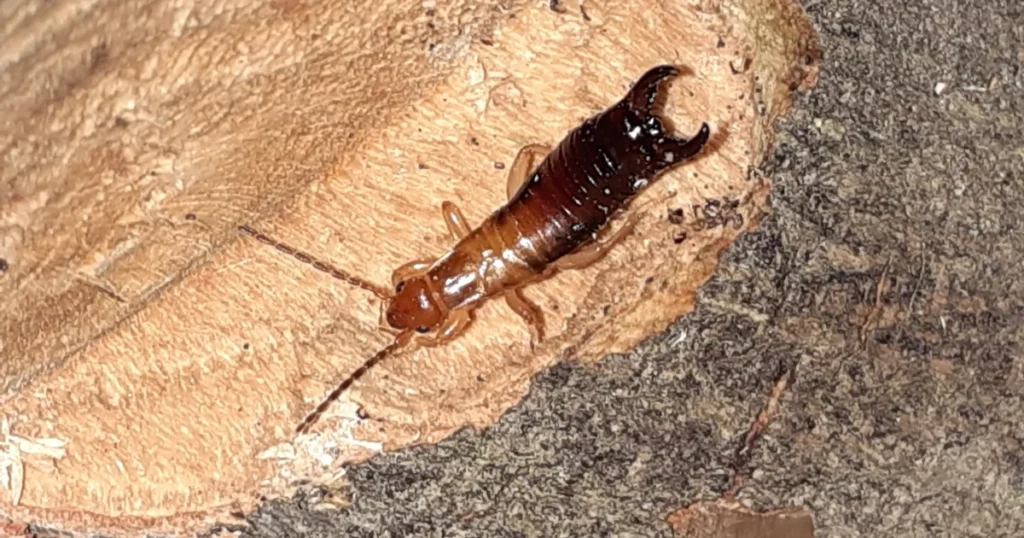
Have you ever walked into your bathroom late at night and spotted small bugs with pincers near the tub, sink, or baseboard? You’re not the only Raleigh homeowner dealing with this. Earwigs often show up indoors when moisture, shelter, and small access points give them a reason to move inside.
Earwigs are active at night. Bathrooms can attract them because they hold humidity after showers, collect moisture around plumbing, and offer dark spaces where pests can hide during the day.
In Raleigh, warm weather and humidity make the problem worse. Mulch, leaf litter, clogged gutters, shaded beds, and gaps around the foundation can create conditions that draw earwigs closer to the house. Once they find a way in, bathrooms often become one of the first places homeowners notice them.
Key Takeaways
- Earwigs often appear in bathrooms at night because they are drawn to moisture, darkness, and small access points.
- Leaky pipes, high humidity, damp baseboards, and outdoor conditions can all contribute to the problem.
- DIY options like diatomaceous earth, soapy water, repellents, and essential oils may reduce visible activity for a short time, but they do not always address the reason earwigs keep returning.
- Long-term prevention depends on reducing moisture, sealing obvious gaps, improving ventilation, and managing damp conditions around your home’s foundation.
Why Bathrooms Attract Earwigs at Night
Bathrooms are one of the most common places to find earwigs indoors. The mix of moisture and shelter makes them a perfect spot.
Excess Moisture and Damp Areas
Earwigs love moist environments. After a shower, humidity levels rise fast, leaving damp areas on floors, walls, and baseboards.
Even small amounts of water around faucets or tubs can attract them. In Raleigh, humidity stays high, so these damp areas last longer and draw in more pests.
Easy Access Through Entry Points
Earwigs can squeeze through very small openings, which makes it easy for them to move indoors without being noticed. Cracks near the foundation, worn weatherstripping, and gaps under doors all act as entry points.
Bathrooms often have additional access points around pipes, drains, and wall openings. At night, earwigs follow moisture, moving from outside along the foundation, through these gaps, and into damp areas inside.
Once inside, they stay close to moisture, which leads to repeated earwigs in bathrooms at night if entry points are not sealed.
Dark Hiding Spots Near Baseboards and Crevices
Earwigs hide during the day and come out at night. Bathrooms have plenty of hiding spots, including crevices, baseboards, and spaces behind cabinets.
These areas keep them safe until it gets dark. Once the lights are off, they move around in search of moisture and food sources.
Organic Matter and Nearby Landscaping
What’s outside your home matters too. Mulch, leaf litter, and plant material create perfect hiding places for earwigs.
If gutters are clogged or water collects near your home’s foundation, it adds to the problem. Earwigs move from these damp outdoor areas into your home through small gaps.
What Nighttime Earwig Sightings Usually Mean
Seeing one earwig does not always mean you have a serious infestation. However, repeated sightings in the same bathroom can point to conditions that support ongoing pest activity.
Early Signs of an Earwig Infestation
If you keep seeing earwigs in the same bathroom, you may be dealing with an infestation. Earwigs stay hidden during the day, so repeated sightings can suggest they have found moisture, shelter, or access inside the home.
They may also appear in basements, crawl spaces, laundry rooms, or other damp areas where conditions stay humid.
Moisture Problems Inside the Home
Earwigs indoors usually mean you have moisture issues. Leaky pipes, dripping faucets, poor airflow, damp baseboards, or trapped humidity can all create the conditions they prefer.
These moisture issues can also make your home more attractive to other pests, including cockroaches.
Structural Gaps and Hidden Access Points
Ongoing sightings often mean there are unsealed entry points. Small cracks, gaps under doors, or openings near plumbing let pests inside.
Over time, these gaps can allow other pests like termites to enter as well.
Limited Food Sources but Strong Attractants
Earwigs don’t need much to survive indoors. Organic matter, small debris, residue, and damp buildup can give them a reason to stay near bathroom fixtures, drains, or baseboards.
Soap build-up, hair, or residue in the bathroom can act as attractants. Even small amounts can support earwig activity.
How Moisture Around the Bathroom Keeps Them Coming Back
Moisture is one of the biggest reasons earwigs return after you remove the ones you can see.
Leaky Pipes and Dripping Faucets
Leaky pipes and dripping faucets create steady moisture sources. These areas stay damp, giving earwigs a place to gather.
Fixing leaks is one of the most important steps homeowners can take when trying to reduce earwig activity indoors.
Poor Ventilation and High Humidity Levels
Bathrooms without good airflow trap humidity. Over time, this creates ideal conditions for pests.
Using a dehumidifier or turning on an exhaust fan helps lower humidity levels and reduce moisture issues.
Damp Crawl Spaces and Basements
Moisture often starts below your home. Damp crawl spaces and basements can create pest pressure that eventually shows up in bathrooms, laundry rooms, or other plumbing-connected areas.
This is especially common in Raleigh after heavy rain or in shaded areas where moisture takes longer to dry. The area sees regular rainfall and high humidity throughout the year, which helps create damp conditions around foundations and landscaping.
Exterior Moisture From Gutters and Landscaping
Clogged gutters and poor drainage cause water to collect near your home’s foundation.
Combined with mulch and leaf litter, this creates the perfect environment for earwigs.
From there, they move inside through small entry points at night.
When to Schedule an Earwig Inspection in Raleigh
If you keep seeing earwigs in your bathroom, it usually means the conditions attracting them have not been fully addressed. A pest inspection can help identify entry points and ongoing earwig activity.
Some DIY methods, such as diatomaceous earth or essential oils like peppermint, may reduce activity for a short time. However, they do not fix underlying moisture issues or access points that allow earwigs to return.
ClearDefense Pest Control includes earwig control as part of its general pest control plan, along with coverage for pests like ants and spiders. By addressing moisture, sealing gaps, and reducing attractants, it becomes easier to get rid of earwigs and prevent future issues. If earwigs keep returning around your home, scheduling a professional inspection can help identify the conditions attracting them and the best next steps for long-term control.
FAQs
Why do earwigs come out at night in bathrooms?
Earwigs are active at night and look for damp areas. Bathrooms provide moisture, hiding spots, and easy access, making them a common place to see earwigs indoors.
How do I get rid of earwigs in my bathroom fast?
Reduce moisture, fix leaks, and seal cracks. DIY methods like soapy water, diatomaceous earth, and essential oils can help, but pest control is the best long-term solution.
Are earwigs dangerous to homeowners?
Earwigs are not dangerous. Their pincers may look scary, but they don’t harm people. Still, they can signal moisture issues that may attract other pests like cockroaches.