
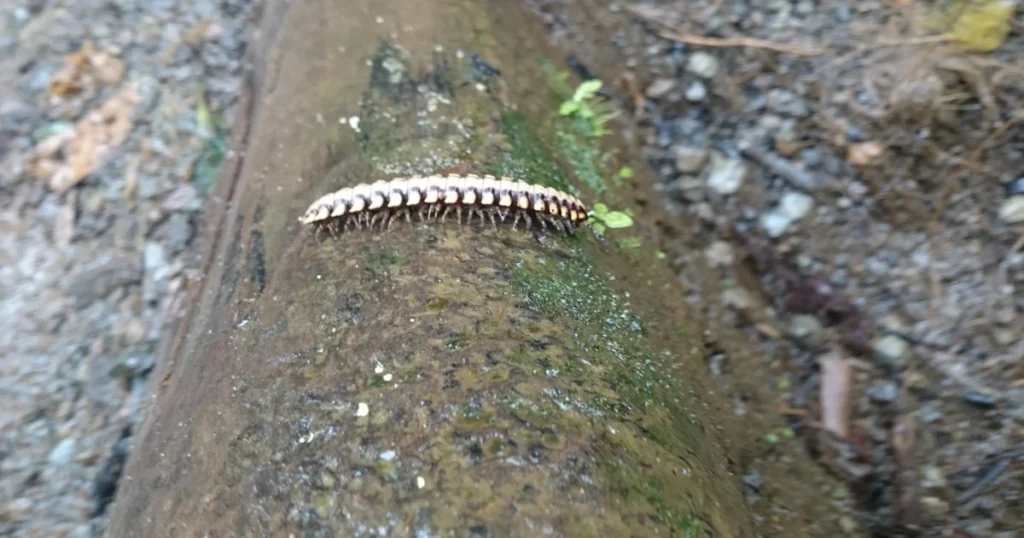
Finding millipedes near your Jacksonville residence following heavy rainfall is rarely a coincidence. The combination of warmth, high humidity, and saturated ground often drives these creatures from their natural habitats toward structural foundations, doors, garages, and patios.
While millipedes do not jeopardize a building's structural integrity like termites or carry the same sanitary concerns as cockroaches, their presence remains a major nuisance.
Preventing an indoor problem requires understanding their outdoor preferences. Millipedes thrive in environments featuring excessive moisture, shaded gardens, leaf litter, and mulch.
Key Takeaways
- Millipedes become more active in Jacksonville during warm, humid weather, especially after heavy rain.
- They often move toward homes when the soil becomes too wet and may enter through gaps near doors, windows, garages, and foundations.
- Reducing moisture, improving drainage, clearing organic debris, and sealing exterior gaps can help make your home less inviting.
Understanding Millipede Activity in Jacksonville
Millipede activity in Jacksonville changes with the weather. Temperature and moisture both play a big role in how active they are.
Millipedes are arthropods that, according to entomology, live in soil, feeding on decaying organic matter. They feed on decaying plant material such as leaf litter, mulch, and compost piles, acting as important detritivores. This makes them useful in the ecosystem because they help break down organic matter.
They have long, segmented bodies with many legs, which help them move through soil, mulch, and other damp areas.
Spring Buildup
In spring, millipedes become more active as temperatures rise and soil moisture increases. The soil stays moist, and shaded landscaping holds in that moisture.
You may see them near grass clippings, thatch, or compost piles. These areas give them shelter and a steady food source. As moisture builds, their activity increases.
Summer Peak Activity
Summer often brings the strongest millipede activity in Jacksonville because heat and humidity combine with regular rain. After a storm, millipedes may gather near foundations, patios, sidewalks, and entryways.
During this time, they gather near foundations, patios, and entryways. These spots stay damp longer than other parts of the yard. You may see more of them at night or early in the morning, when surfaces are still damp.
Fall Movement Indoors
As fall begins, millipedes start to overwinter. Small gaps around doors, windows, garage thresholds, and foundation edges can give them a way inside.
They often move indoors through small cracks and gaps. Many end up in basements, crawl spaces, or wall voids where moisture levels stay higher.
Why Millipedes Increase After Rain
Rain often leads to a noticeable increase in millipede activity around homes. While millipedes depend on moisture to survive, overly wet soil can force them out of their usual hiding spots and push them toward drier, protected areas near the home.
Heavy Rain Forces Millipedes Out of the Soil
Rain is one of the main reasons millipedes start moving toward homes. They need moisture to survive, but overly saturated soil can force them out of the ground in search of drier conditions.
After a strong storm, the soil may stay wet for long periods, especially in shaded areas or yards with poor drainage. When this happens, millipedes begin moving across the surface to find shelter.
Damp Areas Around the Home Attract Millipedes
Homes can provide the damp, protected conditions millipedes look for after heavy rain. Water collecting near the foundation, mulch beds, clogged gutters, or wet landscaping can keep the surrounding soil moist and make activity more likely.
Improving drainage and reducing moisture buildup around the home can help make these areas less attractive. Sealing small gaps with caulk or weatherstripping may also help reduce entry around doors, windows, and utility openings.
Millipedes Often Move at Night After Rain
You may notice millipedes moving across patios, sidewalks, garages, and driveways after rainfall. They often travel in groups, especially during the evening when humidity stays higher and surfaces remain damp.
When the ground stays soaked, millipedes continue searching for protected spaces. Small cracks around doors, garages, and foundations can give them an easy way inside.
What Millipedes Inside Your Home Really Mean
Millipedes inside the home usually point to moisture conditions around the property that are attracting them outdoors first. While they do not typically survive long indoors, repeated sightings can signal excess moisture, damp hiding spots, or easy access points around the home.
Moisture Around the Home Often Attracts Millipedes
The problem often starts outside with damp soil, heavy mulch, leaf litter, clogged gutters, or shaded areas that stay wet for long periods. These conditions create the moisture-rich environment millipedes prefer.
After rain or extended humidity, millipedes may begin moving closer to the home while searching for shelter and stable moisture levels.
Basements and Crawl Spaces Can Support Activity
Millipedes tend to gather in damp indoor areas. Basements, crawl spaces, garages, and utility areas are common spots because they stay cooler and hold moisture longer than other parts of the home.
Using a dehumidifier may help reduce indoor moisture, especially when combined with exterior prevention efforts that address the source outside.
Small Entry Points Make It Easier for Millipedes to Get Inside
Millipedes can enter through small openings around doors, windows, garage seals, vents, and foundation cracks. Sealing these gaps can help reduce indoor activity and may also help limit access for other household pests.
Millipedes Are Usually More Unpleasant Than Harmful
In some cases, millipedes release a mild defensive fluid when disturbed or crushed. While they are not considered dangerous to most people, it is still best to avoid handling them directly or crushing them indoors.
Making the Right Millipede Control Choice in Jacksonville
Millipede activity in Jacksonville often increases after long periods of rain, heavy humidity, and excess moisture around the home. While millipedes usually live outdoors, they often move inside when conditions around the foundation become too damp.
There are several steps homeowners can take to help reduce millipede activity. Improving drainage around the home, keeping gutters clear, directing downspouts away from the foundation, and removing damp leaf litter or heavy mulch can make your yard less attractive to millipedes. Sealing gaps around doors, windows, and foundation cracks can also help limit the number that find their way indoors.
Even with consistent DIY prevention, millipedes may continue returning when outdoor moisture conditions and pest pressure remain high. A prevention-focused pest control service can inspect the areas where millipedes live and move, identify moisture-prone conditions around the property, and apply targeted exterior treatments designed to reduce repeat activity over time.
If millipede problems keep coming back, ClearDefense Pest Control can help with a treatment plan tailored to your home and Jacksonville’s humid climate. Contact us to schedule an inspection or learn more about your millipede control options.
FAQs
When are millipedes most active in Jacksonville, FL?
Millipedes are most active during spring and summer. Their activity increases after rain and during humid weather. It may continue into early fall.
Why do millipedes come inside after rain?
Rain can make the soil too wet. Millipedes move to drier areas and often enter homes through small cracks and openings.
How do I prevent millipedes from getting inside?
Reduce moisture, improve drainage, and clear away leaf litter and mulch. Seal cracks and keep basements and crawl spaces dry to keep them away.