Skip to content
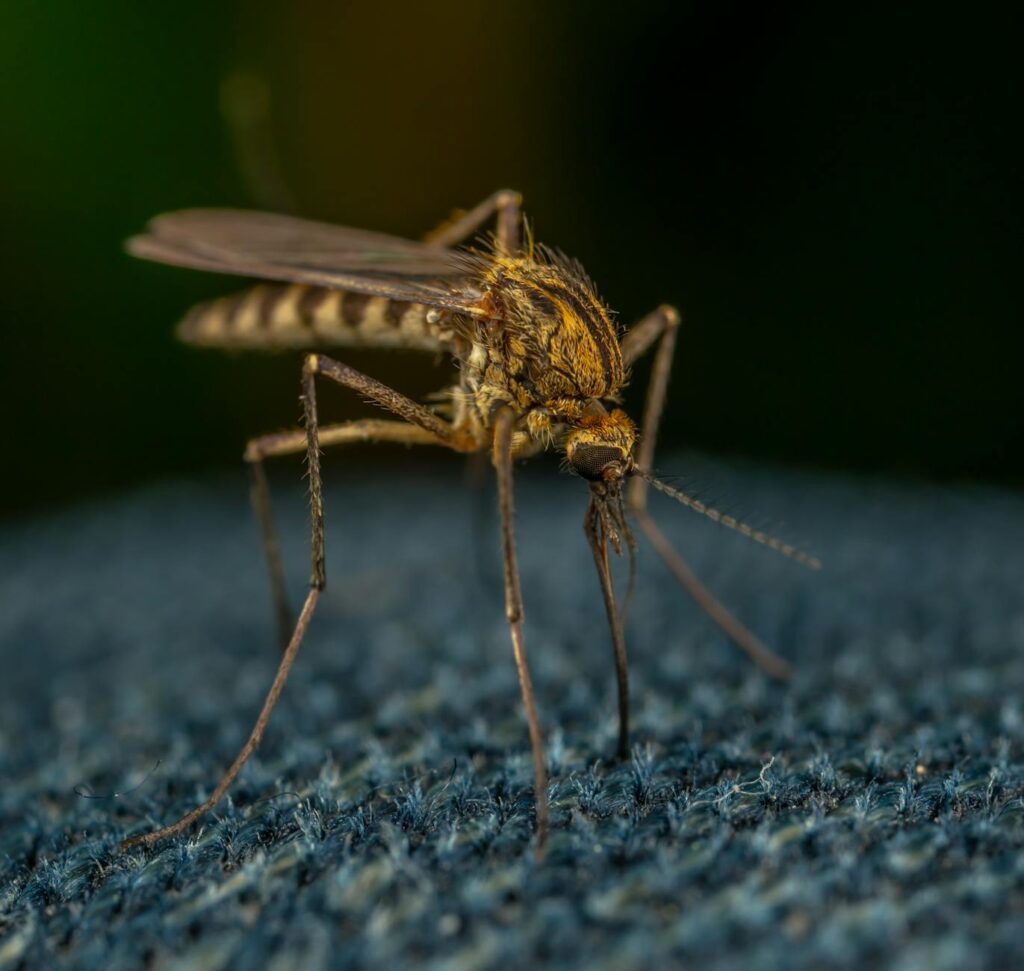
You step outside to grill, let the dog out, or spend time on the patio, but mosquitoes start circling almost immediately. Even during the afternoon, they stay active near seating areas, fence lines, and shaded parts of the yard. Seeing mosquitoes in backyard all day can point to nearby breeding sites, overgrown vegetation, or sheltered areas where mosquitoes stay protected between feedings.
This guide explains why mosquitoes remain active around some backyards, the conditions that support them, and when it makes sense to contact ClearDefense for recurring mosquito control.
Key Takeaways About Mosquitoes in Your Backyard
- Mosquitoes in your backyard all day often point to nearby breeding conditions, particularly areas where water collects and stays still.
- Addressing mosquito activity early in the larval stage can help reduce populations before adults become a persistent nuisance in your yard.
- Recurring mosquito control that includes both adult reduction and larvicide application can lower mosquito numbers over time, even after rainfall.
- A trained technician can identify conditions on your property that may be contributing to ongoing mosquito activity and recommend targeted adjustments.
How to Identify Mosquitoes That Linger in Your Backyard All Day
When mosquitoes stay active in your backyard all day, the females are likely the ones landing on you. Female mosquitoes require blood from humans or other animals to develop eggs. That constant need for a blood meal is what keeps them circling your outdoor spaces from morning through evening.
Understanding how these pests find you and where they breed can help you figure out why your yard stays busy with mosquito activity around the clock.
How to Tell Mosquito Types Apart
Mosquito species vary in size and markings, but the behavior that matters most is how females locate you. According to Kansas State University Extension, adult female mosquitoes sense carbon dioxide from your breath and skin, along with host odor, temperature, color, and movement. Those cues draw them in from a distance.
Heat and body scent also play a role at closer range. If multiple people share your yard, one person may get bitten more often because their combination of warmth, movement, and scent is more attractive to nearby mosquitoes.
How to Spot Mosquito Activity Around Your Home
Mosquitoes that follow you indoors typically enter through an open door or a gap in a screen. You may notice them hovering near your face or ankles, drawn by carbon dioxide and body warmth.
If you see mosquitoes inside during daylight hours, it often means outdoor populations nearby are large enough that some wander in. Check screens and door seals to reduce how many get through.
Where Mosquito Activity Shows Up Around Your Home
Any site that accumulates standing water should be inspected for possible mosquito breeding, according to Purdue Extension. That includes gutters, plant saucers, birdbaths, and low spots in your yard where water collects after rain.
Under ideal conditions, mosquitoes can complete their full development cycle from egg to adult in less than a week. Development time depends on water temperature and the species involved, but it can range from about seven days to several weeks. Even a small puddle that sits undisturbed can become a breeding source within days.
Exterior Entry Points Mosquitoes Use Around Your Home
Mosquitoes do not need much space to enter your home. Torn window screens, gaps around sliding doors, and open garage entries all give them a path inside. Because they track exhaled carbon dioxide and body heat, they tend to concentrate near doorways where people pass through.
Shaded areas close to your home’s exterior walls can also hold moisture that supports breeding. Keeping vegetation trimmed and drainage flowing reduces the standing water that draws mosquitoes close to entry points in the first place.
Why Mosquito Problems Develop in Your Backyard
Mosquitoes are adaptable insects found across a wide range of environments. According to UC IPM, more than 50 species occupy habitats ranging from below sea level to mountain meadows above 10,000 feet. When your backyard offers the right mix of water, shade, and hosts, these pests can stay active throughout the day rather than only at dawn and dusk.
Nesting Areas That Attract Mosquitoes in Backyard All Day
Female mosquitoes may live for more than a month and generally require a blood meal before laying eggs. That long lifespan gives them plenty of time to find and use nesting spots in your yard. Container habitats such as bird baths, tarpaulins, and plant pot receptacles are difficult to remove and remain potential egg-laying sites.
Heavy rains saturate the ground and create additional breeding habitat. Even small, overlooked puddles can support the next wave of larvae. The more receptacles and low spots your yard holds, the more persistent the problem becomes.
Food and Shelter That Attract Mosquitoes to Your Backyard
Mosquitoes rest in shaded, sheltered areas between blood meals. Dense landscaping, covered patios, and ground-level vegetation give them places to wait close to hosts. Because females generally need a blood meal before each egg-laying cycle, a yard with regular human or pet activity provides a steady food source that keeps them nearby all day.
How Mosquitoes Move Around Your Backyard
Mosquitoes hatch in predictable waves based on their preferred breeding environments. As Texas A&M AgriLife Extension notes, heavy rains can produce noticeably higher mosquito activity in the days and weeks that follow. Neighboring properties with standing water or overgrown areas can push fresh adults into your space, making control on your lot alone more difficult.
Trails and Entry Points Mosquitoes Use
Mosquitoes do not follow fixed trails the way ants do, but they concentrate around breeding and resting sites. Container habitats scattered across a yard create a network of egg-laying locations that keep populations cycling close to your home. Addressing these containers is a key step, though some receptacles are difficult to remove.
Risks From Mosquitoes in Backyard All Day
Health Risks Linked to Backyard Mosquitoes
Mosquitoes bite people and animals, and those bites carry more than just discomfort. They are pests that can damage human and animal health because they carry diseases. When they are active in your yard throughout the day, the number of potential bites increases for everyone spending time outside.
West Nile virus is one disease that mosquitoes can spread. The Zika virus is another, transmitted through infected Aedes spp. mosquitoes in most documented cases. Aedes mosquitoes lay eggs in stagnant water held in buckets, tires, and animal dishes, and they are often found near human dwellings. That proximity to your home is what makes all-day activity a concern worth addressing.
Property Damage Caused by Mosquitoes in Your Backyard
Mosquitoes do not cause structural damage to your home. They do not chew wood or bore through materials. The real impact is on how you use your property. A yard overrun with these pests all day becomes harder to enjoy, and outdoor spaces you invested in can go unused for weeks at a time during peak activity.
A single female can lay 100 to 300 eggs in her lifetime, so even small water sources can sustain a growing population on your property.
Food Areas and Mosquito Activity in Your Home
Outdoor dining areas, grills, and patios attract people, and mosquitoes follow. These pests locate and bite humans and animals wherever they gather. When daytime mosquito pressure is high, cooking and eating outside become unpleasant. Wearing protective clothing and using repellents when outdoors can decrease your chances of getting bitten.
When to Take a Closer Look at Mosquito Activity in Your Backyard
All-day mosquito presence often points to breeding sites on or near your property. Females deposit eggs on the surface of standing water or on vegetation and other structures near water. Identifying and addressing those sources matters because one-time outdoor sprays and repellent devices vary in effectiveness. As UC IPM notes, such measures can temporarily reduce the number of adult mosquitoes but have no lasting effect.
A recurring approach that targets both adult mosquitoes and larvae tends to deliver steadier results. If activity persists despite your own efforts, your local mosquito abatement district or a recurring pest control service can help you take a closer look at what is driving the population in your yard.
Professional Pest Control for Backyard Mosquitoes
Dealing with mosquitoes in your backyard all day can feel overwhelming, especially when DIY sprays seldom make a dent. Over-the-counter products often last only about 24 hours, and even professional barrier treatments degrade over time. That gap between store-bought results and lasting relief is where a structured control plan makes the difference.
How to Reduce Attractants for Backyard Mosquitoes
Container-inhabiting mosquitoes deposit eggs in backyard containers, and according to the International Journal of Environmental Research and Public Health, large-scale larval control is often difficult because of limited access to every potential breeding spot. Removing or overturning containers around your yard is one of the most practical steps you can take.
The EPA recommends managing mosquito populations through a combination of water elimination and targeted control. Dump water from flowerpots, buckets, and any item that collects rain. Even small amounts of standing water can support mosquito development, so consistency matters more than a single cleanup.
Why Backyard Mosquito Control Starts With an Inspection
The Texas A&M AgriLife Extension recommends regular property inspections after rain to remove standing water sources. A thorough walkthrough of your yard helps identify the spots where mosquitoes breed, many of which are easy to overlook.
ClearDefense Pest Control technicians are trained to identify and communicate areas of your property that may be contributing to a mosquito problem. Addressing these conditions can often reduce breeding activity without additional product applications. This inspection step is part of every visit.
What to Expect During Professional Mosquito Treatment
According to Purdue Extension, treatments should be left to trained mosquito control personnel. ClearDefense uses backpack fogging with products like Duraflex or Tempo SC. Each treatment takes roughly twenty minutes, though yard size can affect the timing.
Fogging is most productive when adult mosquitoes are active. As Purdue Extension notes, equipment like cold aerosol machines should be used from twilight until about midnight, when the wind is low and atmospheric conditions are best. Monthly fogging adds a barrier that discourages mosquitoes from neighboring properties from gaining a foothold on yours.
These treatments hold up after rainfall and reduce the population over time, even during rainy stretches. ClearDefense also backs its mosquito service with a re-treat guarantee.
What to Expect From a Professional Mosquito Control Plan
ClearDefense provides recurring mosquito reduction, not one-time treatments. Each application decreases the number of mosquitoes on the property. Monthly visits layer protection, so activity drops with every round.
A larvicide containing an insect growth regulator is part of the plan. It disrupts the reproductive cycle and is spread by mosquitoes themselves, so there is no need to locate every pocket of standing water. Combined with the fogging barrier, this two-step approach targets both adults and larvae.
Every visit includes a documented Defense Report showing the products used and the findings from your property. That transparency helps you track progress and understand what is happening in your yard between treatments.
Dealing With Backyard Mosquitoes: Bottom Line
Mosquitoes that linger in your backyard throughout the day are usually tied to nearby breeding habitats and resting spots on your property. Reducing standing water, addressing container sites, and keeping up with regular treatments are the most consistent ways to bring numbers down, with each monthly treatment reducing the active population further. Because female mosquitoes need blood to develop eggs, they will keep returning to yards that offer both hosts and breeding conditions. A recurring, professionally managed approach targets larvae and adults on a schedule that a single weekend spray cannot match.
If daytime mosquito pressure is wearing you down, reach out to ClearDefense Pest Control for a quote on recurring mosquito reduction service.
Frequently Asked Questions About Backyard Mosquitoes
Why are mosquitoes active in my yard during the day?
Some mosquito species feed during daylight hours, not just at dusk. Dense vegetation, shaded areas, and moisture all give them places to rest between feedings. When those conditions exist close to where you spend time outdoors, you may notice biting activity throughout the day rather than only in the evening.
Can I handle mosquito control on my own?
Removing standing water and using larval control products can help reduce populations. However, over-the-counter adult sprays tend to provide only short-term relief. A recurring professional program pairs monthly fogging with larvicide application, and ClearDefense technicians also identify conducive conditions on your property so you can address them between visits.
How long does a professional mosquito treatment take?
Each ClearDefense mosquito treatment takes approximately twenty minutes, though this can vary based on the size of your yard. Monthly visits keep the protective barrier in place throughout the season, with results that build over successive rounds.
Do mosquitoes in my yard pose a health risk?
Mosquitoes can transmit diseases, including West Nile virus, Zika, dengue, and St. Louis encephalitis. Children and other household members who spend time outdoors may be exposed to biting insects. Lowering the mosquito population around your home is one practical step toward reducing that exposure.