Skip to content
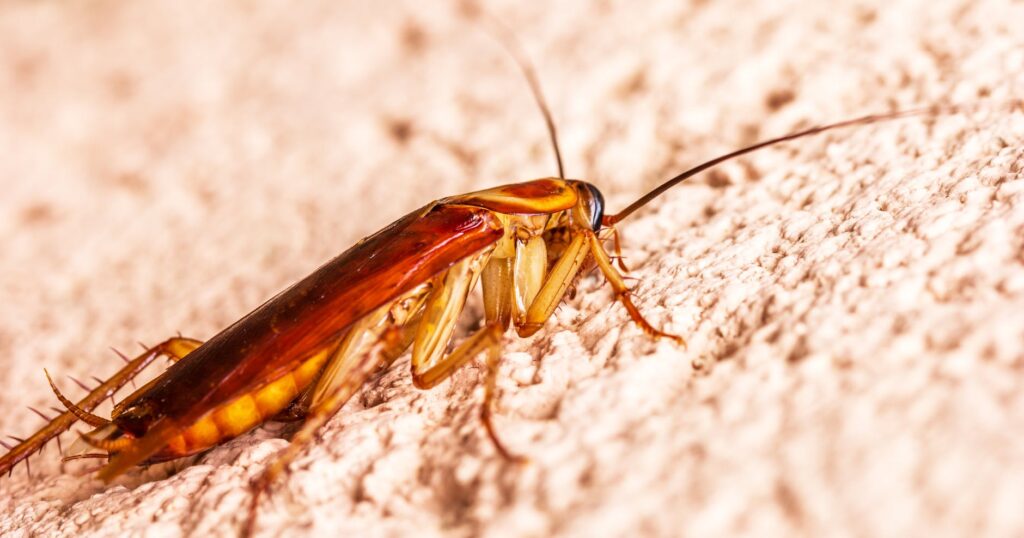
Learn the most common roach entry points, risks that come with roach activity, and when to contact ClearDefense for professional roach control and prevention.
Key Takeaways About Common Roach Entry Points
- Cockroaches can slip through cracks, gaps around doors and windows, and openings where pipes pass through walls, so sealing these spots is a practical first step.
- Roaches tend to hide in tight, warm spaces close to moisture and food, making kitchens and bathrooms frequent problem areas to inspect.
- Removing hiding places and keeping gaps sealed helps reduce the conditions that draw cockroaches indoors.
- A recurring pest control plan can help address entry points you may miss on your own and keep roach activity low over time.
How to Identify Common Roach Entry Points
Knowing what to look for is the first step toward understanding how roaches get inside. Different cockroach species behave differently near your home, and recognizing those differences helps you narrow down where they are coming in.
How to Tell Different Cockroaches Apart
Not every cockroach species enters your home the same way. Most cockroach species stay close to the ground and avoid light. The Asian cockroach is a notable exception: it flies toward light. That flight ability means it can reach openings that ground-level species would never use.
Temperature preference also matters. Some cockroach species prefer warmer conditions, around 80°F, which is about 5 to 10 degrees warmer than the range German cockroaches favor. Roaches drawn to higher heat may gravitate toward sun-warmed exterior walls and the gaps around them.
How to Spot Roach Activity Inside Your Home
Indoor signs often point back to specific entry points. If you notice cockroach species that are typically outdoor dwellers showing up near lamps, porch lights, or illuminated windows, those light sources may be drawing them toward nearby openings. Asian cockroaches, for instance, fly toward lit areas, so activity around fixtures can mark a likely path inside.
Gel-based treatments applied inside structures can help manage cockroach species that have already found their way in. Gels can be applied to target roaches living inside structures. Where you find roaches clustering indoors often reveals the entry route they followed.
Where Roach Activity Shows Up Around Homes
Inside a two-story home, pay attention to areas near warmth and light. Cockroach species that prefer temperatures around 80°F are more likely to be active in warmer parts of your home, including upper floors that retain daytime heat. Upper-floor fixtures and windows left lit at night can attract flying species directly to those levels.
Ground-floor rooms closest to exterior landscaping may also show activity, especially when conditions outdoors change and roaches begin searching for stable temperatures inside.
Exterior Entry Points Roaches Commonly Use
Outside your home, certain cockroach species spend time in shaded areas with leaf litter, mulch, and tall grass. These spots sit close to foundation walls, making nearby gaps convenient routes indoors. Reducing those harborage conditions near exterior walls limits the roach population right at the threshold.
Because some species fly toward light, exterior lighting mounted near doors or windows can funnel roaches straight to gaps around those openings. Reviewing light placement and the seals around illuminated entry points is a practical place to start.
Why Roach Problems Develop
Roach problems rarely start with a single gap in a wall. They develop because a home offers the right combination of food, water, and hiding places. Removing even one of those three resources can help prevent cockroach infestations from taking hold.
Outdoor Nesting Areas Roaches Use
Several cockroach species can live outdoors before moving inside. Common types include the American cockroach, oriental cockroach, and smokybrown cockroach. These species may nest outside and then seek indoor conditions when they find access. German cockroaches, by contrast, spend their lives indoors.
German cockroaches are found worldwide and are the most common cockroach in the United States. Once they establish indoor harborages, they tend to stay. Understanding which species you are dealing with helps you know where to look first.
Food and Shelter That Attract Roaches to Your Home
Cockroaches look for warm, humid spots close to food and water. The German cockroach, for example, favors warm atmospheres around 70 to 75 degrees Fahrenheit with high humidity. Kitchens, bathrooms, and utility areas often fit that profile.
Reducing food and water sources, along with known and potential hiding places, is essential to preventing cockroach infestations. That means addressing leaks, cleaning up crumbs, and closing off spaces where roaches can tuck away during the day.
How Roaches Move Around Homes
German cockroaches prefer cracks and crevices in warm locations near water and food. These harborages serve as daytime hiding places. You may notice tiny droppings deposited around those spots, which can signal an active roach presence nearby.
Because cockroaches are drawn to warmth and moisture, they often move along plumbing runs and settle behind appliances. Each hiding place they find makes it easier for the population to grow if food and water remain available.
Trails and Common Entry Points Roaches Use
Common roach entry points develop where gaps overlap with the resources roaches need. Any crack or crevice near a water source or food area can become a pathway. By removing their food, water, and hiding places, you can prevent cockroach infestations from occurring.
A recurring pest control approach focuses on identifying those harborages and addressing the conditions that invite roaches in the first place. ClearDefense builds each visit around a documented Defense Report, so you know exactly what was found and what was applied at your home.
Risks From Common Roach Entry Points
When roaches find a way inside, the problems extend beyond the nuisance of seeing pests dart across a floor. The cracks, crevices, and hidden spots they travel through connect them to the areas of your home where you store food, keep clothing, and spend most of your time. Understanding the risks tied to these access points helps you decide how quickly to act.
Health Risks Linked to Roach Infestations
Roaches that move through cracks and crevices in walls, closets, and stored materials carry debris from those hidden spaces into living areas. The same pests that shelter in hollow walls and outdoor vegetation can track contaminants across surfaces you touch daily. Reducing hiding places in those areas, as UC IPM recommends, limits the paths roaches use to reach the rest of your home.
Property Damage From Roach Infestations
Hidden areas behind walls, under carpets, and inside cupboards give roaches undisturbed space to gather in numbers. Over time, large populations concentrated in these spots can soil stored materials and leave behind waste that builds up in closets and wall voids. Treating cracks, crevices, and concealed sections of walls and stored materials addresses the zones where pests do the most unseen harm.
Food Areas and Common Roach Entry Point Activity
Cupboards and indoor storage areas sit at the intersection of roach travel routes and your food supply. Pests that harbor in hollow walls or outdoor vegetation nearby can move into these spaces through gaps you may not notice. Limiting hiding places within cupboards and other indoor areas removes the cover that roaches rely on to stay close to food sources.
When to Look Closer at Common Roach Entry Point Activity
If you spot roaches in more than one room, they likely have multiple entry paths through cracks and hidden wall areas. According to the University of Tennessee Extension, treating cracks, crevices, and concealed zones in walls, closets, stored materials, and under carpets targets the spots where pests concentrate. Gel-based treatments can help manage species living inside structures when applied in these same high-traffic areas.
Checking outdoor vegetation near your foundation is also worthwhile. These areas can serve as staging points before pests move indoors through wall voids and gaps around cupboards. A closer look at both interior hiding spots and exterior cover gives you a fuller picture of where roaches are entering your home.
Professional Pest Control for Common Roach Entry Points
Sealing gaps and monitoring problem areas are good first steps. But when roaches keep showing up, a recurring pest control plan gives your home consistent coverage at every vulnerable point.
How to Reduce Attractants That Draw Roaches Inside
The simplest way to discourage roaches from using entry points is to make the area around those openings less inviting. Door sweeps and weather stripping around doors and windows help block the ways cockroaches use to get inside, according to UC IPM.
Keeping the perimeter of your home clean and dry also matters. Roaches look for dark, sheltered gaps, so reducing clutter near exterior walls and door frames removes the conditions that draw them closer to openings in the first place.
Why Common Roach Entry Point Control Starts With Inspection
Before any treatment, an inspection identifies where roaches are getting in and where they hide once inside. Key areas include cracks in door and window casings, edges along baseboards, spots where pipes pass through walls, and other dark voids throughout the home.
ClearDefense Pest Control service professionals document findings in a Defense Report so you know what was found and where. That report becomes the blueprint for targeted treatment rather than guesswork.
What to Expect During Professional Roach Treatment
Targeted applications focus on the cracks and crevices through which roaches actually travel. Treatment is directed into openings around door and window casings, along baseboards, in closets, where pipes penetrate walls, and into other suitable hiding places. Small, precise amounts go right where activity has been confirmed.
For serious indoor infestations and other large or complex cockroach problems, professional pest control services are often required, as UC IPM notes. A one-pass approach rarely covers the full scope of a roach problem, which is why recurring service matters.
What to Expect From a Roach Control Plan
ClearDefense builds recurring pest control plans, not one-time visits. Each service addresses the common roach entry points identified during inspection, with follow-up visits to monitor and re-treat as needed. Every appointment includes a Defense Report showing every product used and every finding.
This recurring approach keeps pressure on the same cracks, crevices, and voids where roaches travel. Over time, consistent attention to entry points helps reduce roach activity throughout your home rather than leaving gaps between visits.
Bottom Line on Common Roach Entry Points
Roaches look for three things: food, water, and shelter. When your home provides access to any of those, common roach entry points become an open invitation.
Removing food sources, reducing moisture, and closing off hiding spots are the core steps to keeping roaches outside. For serious or ongoing infestations, professional pest control services are often required. If you want a recurring plan built around prevention, request a quote from ClearDefense Pest Control to get started.
Frequently Asked Questions
Why do roaches keep getting inside?
Roaches are drawn indoors by available food, water, and shelter. Even small amounts of any of those can attract them. Until you remove those conditions, roaches may continue to find ways in.
Can I handle a roach problem on my own?
Minor issues sometimes respond to consistent cleanup and exclusion efforts. However, large or complex cockroach problems often require professional pest control services to bring activity under control.
How do I know which roach species I have?
Behavior can help narrow it down. Some species fly and are attracted to light, while others prefer dark, warm hiding spots. Proper identification helps determine the best approach to prevention and management.
What makes recurring service different from a one-time visit?
A one-time treatment addresses what is happening right now but does not account for future activity. That ongoing attention helps reduce the conditions that draw roaches back.