Skip to content
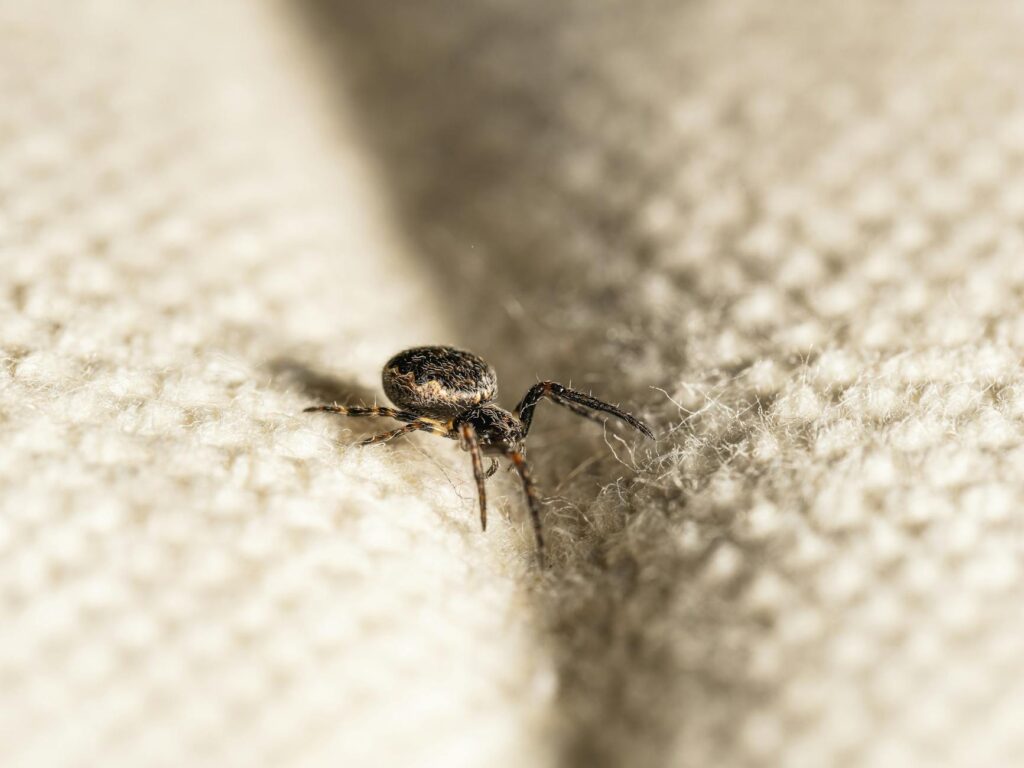
You walk into the garage, basement, or laundry room and notice spider webs stretched across storage bins, corners, or window frames. Later, another spider appears near a baseboard or behind furniture in a quiet part of the house. What attracts spiders indoors often comes down to easy access to insects, hidden shelter, moisture, and undisturbed spaces where spiders can stay out of sight during the day.
Spiders usually follow other pest activity indoors. Insects near windows, cluttered storage areas, gaps around doors, and dark corners can all make a home more appealing to spiders. Over time, repeated sightings and webs often become easier to notice around the same areas.
This guide explains what draws spiders indoors, the warning signs homeowners should watch for, and when it makes sense to contact ClearDefense for professional spider control and prevention.
Key Takeaways About What Attracts Spiders Indoors
- Spiders follow their food. When insects find a way inside your home, spiders often move in after them.
- Entry points matter. Gaps around doors, windows, and foundations give spiders and their prey easy access to your living space.
- Ongoing prevention works better than a single fix. Reducing what attracts spiders indoors means addressing both the conditions they prefer and the insects they hunt.
- A recurring pest control plan from ClearDefense can help reduce the indoor insect activity that draws spiders in the first place.
How to Identify What Attracts Spiders Indoors
Understanding what attracts spiders indoors starts with knowing which species you may encounter and what draws them into your living space. Two species worth recognizing are the southern house spider and the Joro spider, each with distinct features that make identification straightforward once you know what to look for.
How to Tell Spiders Apart
Southern house spiders pose no real threat to people and are actually beneficial. According to the University of Georgia pest guide, they consume pest species such as cockroaches, moths, and flies. Their presence often points to a prey population already inside your home. If you notice these spiders, the food supply nearby is likely the main draw.
Joro spiders are harder to miss. Adult females can reach up to 1¼ inches in body size with long legs, and they build large, sometimes gold-colored orb webs. Their size and web style set them apart from most household spiders you might find around the exterior of your home.
How to Spot Spider Indoor Activity
Webs are the clearest sign of spider activity. When you see webs appearing in corners, near light fixtures, or along ceiling lines, spiders are likely feeding on insects drawn to those same spots. A buildup of webs in one area can signal a concentration of prey insects nearby.
Spotting the spiders themselves is another indicator. Southern house spiders tend to stay close to their webs. If you are finding them repeatedly in the same rooms, those areas probably have the insect activity that keeps pulling spiders back.
Where Spider Activity Shows Up Around Homes
Look for webs and spider activity in undisturbed areas of your home. Garages, storage rooms, and seldom-used closets are common gathering spots because they tend to harbor the insects spiders feed on.
Outside, Joro spiders build their large orb webs in open areas between structures, trees, and shrubs. These webs can span several feet and are sometimes gold-colored, making them easier to spot during a walk around your property.
Exterior Entry Points Spiders Use
Spiders follow prey insects through gaps in your home’s exterior. Spaces around doors, windows, and where utility lines enter the structure are common pathways. When insects gather near outdoor lighting or doorways, spiders often set up nearby to take advantage of the food source.
Keeping an eye on these entry points helps you understand what attracts spiders indoors in the first place. Where insects can get in, spiders will follow.
Why Spider Problems Develop Indoors
Spiders follow their food. When insects move inside your home, spiders are close behind. Understanding what attracts spiders indoors starts with the conditions that bring prey insects in, then the shelter and hiding spots that let spiders stay.
Outdoor Nesting Areas for Spiders
Crawl spaces under your home can harbor insects and other arthropods that spiders feed on. According to the University of Tennessee Extension, pests are attracted by light, warm air, moisture, and food. Odors from a dead bird, rodent, dead insects, or a nest inside a wall can also draw insects closer to your living space.
Dark cavities in walls and crawl spaces offer the protection and shelter pests look for. When those populations grow just outside your footprint, spiders have a ready food supply and a short path indoors.
Food and Shelter That Attract Spiders Indoors
Removal of food sources from homes will decrease spider activity. Without food, spiders will move to a new location. Regular vacuuming of indoor areas can minimize spider food such as insects that collect in corners and along baseboards.
Moisture problems also play a role. Indoor infestations of carpenter ants, for example, often mean some type of moisture problem from structural or plumbing leaks. Those ant colonies become another food source for spiders already nearby.
Indoor plants can attract aphids and other insects that produce honeydew, which in turn draws ants. More insects inside means more reasons for spiders to stay.
How Spiders Move Around Homes
Spiders seek out narrow spaces to hide indoors. According to UC IPM, they tuck into cracks under or behind baseboards, around window and door trim, and around exhaust fans or lights in ceilings. They often prefer high and cool locations.
Clutter gives spiders additional cover. Reducing clutter removes hiding spots and makes your home less appealing to them over time.
Trails and Entry Points Spiders Use
Holes in screens and cracks in foundations are common paths for spiders and the insects they hunt. Repairing screens and caulking foundation cracks limits access for both. Removing insects and other arthropods from crawl spaces cuts off a major feeder route into the home.
Spilled materials, soiled mops, and biological waste near entry areas can attract insects that draw spiders closer. Keeping those areas clean reduces the overall pressure on your home.
Risks From What Attracts Spiders Indoors
When conditions draw spiders inside your home, they rarely arrive alone. The same gaps and shelter that invite spiders can also let other unwanted visitors find their way in. Understanding the risks tied to these attractants helps you decide how seriously to take the situation.
Health Risks Linked to What Attracts Spiders Indoors
Most spiders that wander indoors pose no real threat to people. However, the openings that let them in can also admit other creatures. According to Texas A&M AgriLife Extension, bed bugs are flattened insects that hide during the day and feed at night, and they are increasingly common in apartments and hotels. Shared entry conditions can mean overlapping problems.
Once multiple types of visitors gain access through the same routes, the overall nuisance level in your home rises. Identifying what draws spiders inside often reveals vulnerabilities that matter beyond spiders alone.
Property Damage From What Attracts Spiders Indoors
Spiders themselves typically cause little property damage. The bigger concern is the entry points that welcome them. According to UC IPM, homeowners should look indoors and outdoors for holes or cracks in foundations or walls that provide entry points to buildings. Those same openings can allow moisture intrusion over time, which may affect wall materials and finishes.
Leaving cracks and gaps unaddressed means your home stays vulnerable to a range of uninvited visitors, not just spiders. Fixing those structural weak spots addresses the root attractant.
Food Areas and Spider Indoor Activity
Spiders follow their food source. When smaller insects are drawn indoors, spiders trail close behind. Cracks in foundations or walls give both spiders and their prey a clear path inside. Kitchens and pantries that already attract smaller insects can become hotspots for spider activity as a result.
Reducing access points limits the flow of prey insects, which in turn reduces what attracts spiders indoors in the first place.
When to Look Closer at What Attracts Spiders Indoors
A single spider now and then is not unusual. But if you notice spiders appearing regularly in the same areas, it may signal that cracks in your foundation or walls are giving steady access to your home. Repeated sightings suggest an ongoing pathway rather than a one-time visitor.
Checking foundations and exterior walls for holes or cracks is a practical first step. Addressing those gaps can help reduce spider activity and limit entry for other unwanted visitors at the same time.
Professional Pest Control for What Attracts Spiders Indoors
Understanding what attracts spiders indoors is the first step toward reducing their presence. Because spiders follow their food source, a recurring approach that addresses insects and entry points tends to produce better results than a single effort. ClearDefense builds every plan around prevention-first principles, documented findings, and ongoing service.
How to Reduce What Attracts Spiders Indoors
Indoor spiders, such as American house spiders and brown recluses, prey on insects that get inside the house. According to the Mississippi State University Extension, anything you do to exclude insects will also help reduce spider populations. That makes insect management one of the most practical ways to address what attracts spiders indoors.
Remove spider hiding places such as boxes and other stored items. Clutter gives spiders shelter and undisturbed spots to build webs. Keeping storage areas tidy removes those conditions.
If insects are producing honeydew on plants close to the house, address them. Honeydew draws ants and other insects toward the structure, and those insects in turn draw spiders inside.
Why Spider Control Starts With Inspection
A thorough inspection means walking around the outside of the home and locating potential entry points: cracks, crevices, and spaces around windows and doors. According to UF/IFAS Extension, indoor entry points deserve particular attention at windows, doors, and plumbing and utility penetrations.
Sealing cracks in the foundation and other parts of the structure, along with gaps around windows and doors, helps prevent spiders from coming indoors. ClearDefense Pest Control service professionals document every finding in a Defense Report so you can see exactly what was identified and addressed.
What to Expect During Professional Spider Treatment
ClearDefense focuses on the conditions that draw spiders rather than a one-time visit. Recurring service keeps the number of insects, spiders, and other prey under control over time. Each visit includes a review of entry points, harborage areas, and insect activity around your home.
Every product applied is recorded in your Defense Report. That documentation gives you a clear picture of what was used and where, so nothing is left to guesswork.
What to Expect From a Spider Control Plan
A ClearDefense plan starts with sealing identified gaps and reducing the insect populations spiders rely on. Because the approach is recurring, your service professional can track changes in activity visit to visit and adjust as needed.
Between visits, you can help by removing stored items that create hiding spots and by managing landscape plants near the foundation. These small steps work alongside professional services to reduce what attracts spiders indoors over the long term.
Bottom Line on What Attracts Spiders Indoors
Spiders follow their food. When insects find a way into your home, spiders move in after them. Reducing the prey population inside your house and closing off the gaps they use to enter are the two most direct ways to lower spider activity. A recurring pest control plan addresses both sides of that equation over time, not just during a single visit. If you are seeing spiders regularly, reach out to ClearDefense Pest Control to request a quote for a recurring plan built around your home.
Frequently Asked Questions
Why do I keep seeing spiders even in a clean house?
A tidy home can still have spiders if insects are getting inside. Spiders go where prey is available. Keeping insect numbers low is just as important as keeping surfaces clean. Sealing entry points and managing moisture or lighting that draws bugs can make a noticeable difference.
Do certain indoor conditions draw more spiders?
Spiders tend to settle in undisturbed areas where insects are present. Stacked storage, cluttered corners, and rooms that see little foot traffic can give them the cover they prefer. Regular vacuuming and reducing clutter help make those spaces less inviting.
Will fixing entry points alone stop spiders?
Sealing cracks and gaps around your foundation, doors, and windows removes a major pathway for both insects and spiders. It may not stop every spider on its own, but it reduces the overall number of pests entering the home. Pairing exclusion work with ongoing interior monitoring gives you a more complete approach.
How does recurring service help with spiders?
A one-time treatment only addresses what is already inside. ClearDefense provides recurring service that focuses on reducing the insects that spiders feed on, identifying new entry points through documented Defense Reports, and adjusting the plan as conditions around your home change season to season.