Skip to content
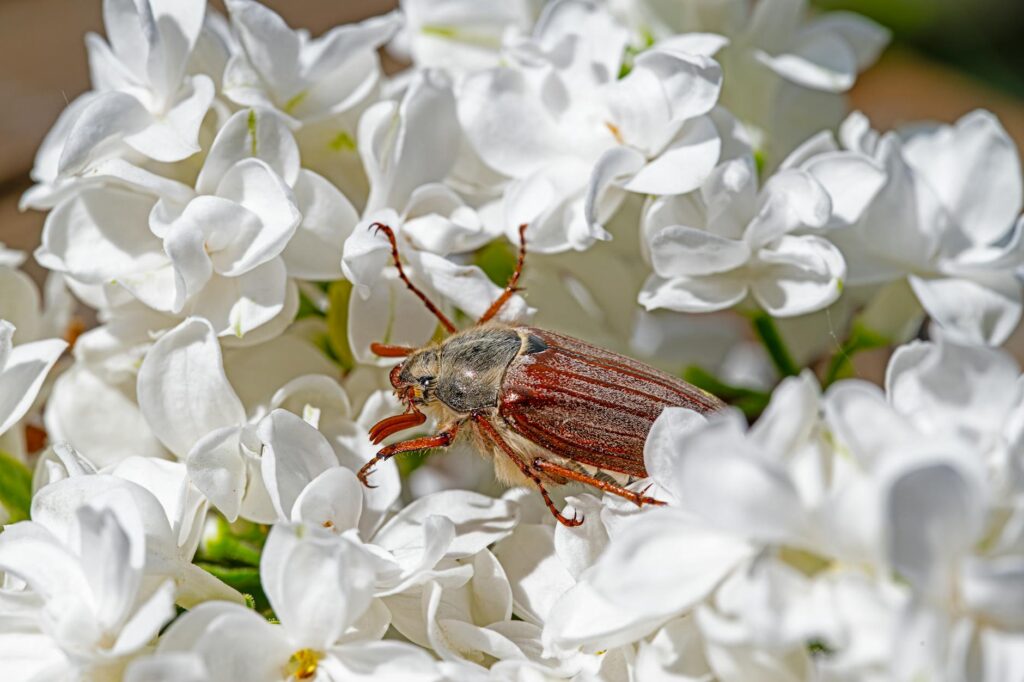
You open the pantry and notice ants moving along the shelf near pet food and snack containers. Later that evening, a wasp circles near the entryway while spiders appear around windows and exterior walls. Seasonal pests in spring become more active as they search for food, water, and nesting areas around your home.
Many pests stay hidden for part of the year before activity increases indoors and around the exterior. Moisture buildup, standing water, cluttered storage areas, and small gaps around the home can all make it easier for pests to settle nearby.
Seasonal pests in spring can cause costly problems when early signs are missed. Learn the signs, risks, and when to call ClearDefense Pest Control.
Key Takeaways About Spring Seasonal Pests
- Spring brings increased activity from ants, cockroaches, wasps, flies, and spiders around your home. Knowing what to look for helps you respond early.
- Some spring pests can bite or sting, while others may cause property concerns. Identifying the type of pest you are dealing with is the first step toward the right response.
- Prevention-focused, recurring pest control is built to address seasonal pests as they become active, rather than reacting after insects and bugs have already moved indoors.
- ClearDefense covers a wide range of common household pests under one recurring plan, so your home stays protected as conditions change from season to season.
How to Identify Spring Seasonal Pests
Spring brings a mix of pest activity indoors and out. Ants, cockroaches, pantry pests, wasps, and flies can all show up in your home during warmer months. Knowing what to look for and where helps you catch a problem before nests become well established.
How to Tell Seasonal Pest Types Apart in Spring
Carpenter ants are among the most recognizable spring seasonal pests. They are usually seen in homes in the spring. If you spot large, dark-bodied ants moving along walls or baseboards as the weather warms, carpenter ants are a likely match.
Other household pests that may appear in spring include cockroaches, wasps, and pantry pests. Each one looks and behaves differently, so take note of body shape, size, and where you see them. That information makes it easier to narrow down the pest type.
How to Spot Seasonal Pest Activity Inside Your Home
Worker carpenter ants moving through living spaces are the clearest indoor sign. Their nests are hidden and not easily discovered, so careful observation of worker ants is the best way to track activity back to a nest. Watching workers during evening hours in spring and summer can help pinpoint the nest location.
A carpenter ant nest can exist in a house during winter and go unnoticed. If the nest sits in a spot that does not get enough indoor heat or sunshine, such as a north-facing outside wall, the ants may remain dormant until spring. That means the first sign of activity often comes when temperatures rise.
Where Seasonal Pest Activity Shows Up Around Homes
Indoor nests tend to stay in areas that are hard to see. Because nests are often challenging to locate, you may only notice worker ants trailing along surfaces rather than the nest itself. Pay attention to consistent ant trails in kitchens, bathrooms, and near exterior walls.
Homeowners sometimes carry worker ants indoors with firewood. These workers cannot start nests or cause damage in homes. So a stray ant near your firewood stack does not indicate an indoor nest.
Exterior Entry Points Seasonal Pests Use
Carpenter ants nesting outdoors will move toward your home when foraging. Gaps around doors, windows, and where utility connections meet exterior walls give them a path inside. Once inside, they may establish nests in concealed wall voids or other hidden spaces.
Watching for consistent trails near your foundation or along exterior siding during spring evenings can reveal the route workers use. Identifying those trails early gives you a clearer picture of whether nests are outdoors, indoors, or both.
Why Seasonal Pest Problems Develop in Spring
Spring creates the right conditions for pests to become active around your home. Warmer temperatures push insects out of sheltered nesting spots and into areas where food is easier to find. Understanding what draws them, where they nest, and how they get inside helps you stay a step ahead.
Outdoor Nesting Areas for Seasonal Pests in Spring
Many spring pests already have nests close to your home before you notice them indoors. Carpenter ants found inside during late winter or early spring typically point to a nest already established in the building, according to the University of Minnesota Extension. Activity spotted later in the year can be harder to trace back to a specific nesting site.
Worker ants sometimes travel up to 100 yards from a nest in search of food. That means the colony driving activity inside your home may be located well outside the structure itself.
Food and Shelter That Attract Seasonal Pests in Spring
Food is the main motivator. Foraging worker ants leave the nest and seek food such as insects, decaying fruit, and honeydew, as Texas A&M AgriLife Extension notes. Once they find a reliable source, trails form quickly between the food and the colony.
Indoors, carpenter ants feed on meats and pet food, as well as syrup, honey, sugar, jelly, and other sweets. These varied food preferences make kitchens and pantry areas common hotspots during spring.
Carpenter ants have complex food preferences, which can make baiting approaches inconsistent. Baits may not attract them long enough to be successful.
How Seasonal Pests Move Around Homes in Spring
Ants search for food between sunset and midnight during the spring and summer months. That evening window is when foraging activity peaks, so you may not see the full picture during the day.
Ants share food with others in the nest. This cooperative behavior means a handful of foragers can supply an entire colony. When workers enter a home, the problem can grow before you realize how many are involved.
Trails and Entry Points Seasonal Pests Use in Spring
When foraging worker ants enter a home, they can be a nuisance. They follow scent trails between the nest and a food source, reinforcing the path each trip. If you cannot find the nest, bait (a food source combined with a slow-acting material) may help, because ants carry it back and share it with the colony.
Baits work because ants distribute food throughout the nest. If enough bait reaches the colony, it destroys the colony. Consistent monitoring matters, though, because complex food preferences mean ants may lose interest in a single bait over time.
Risks From Seasonal Pests in Spring
Health Risks Linked to Seasonal Pests in Spring
Several biting and blood-feeding pests become active as temperatures climb. According to UC IPM, common blood-feeding arthropods include mosquitoes, fleas, mites, soft ticks, and hard ticks. These pests can bite people and pets, creating discomfort and the potential for secondary skin irritation.
Bumble bees also become more active in spring as colonies grow. They typically nest in the ground in old rodent burrows. A sting from a bumblebee can be painful, so ground-level nests near walkways or play areas deserve attention.
Property Damage From Seasonal Pests in Spring
Cluster flies, sometimes called “attic flies,” are especially active on warm, sunny days in early spring. They may gather inside attics, wall voids, and upper-story rooms. While they do not bite, large numbers indoors can be a persistent nuisance throughout your upper-story rooms and attic spaces.
Argentine ants can move indoors during cooler months to escape cold temperatures, according to the University of Georgia pest guide. As spring arrives, foraging trails may already be established inside your home. These ants are not native to the United States, and once inside, trails can be difficult to manage without a recurring plan.
Food Areas and Seasonal Pest Activity
Ants that moved indoors over winter may concentrate near kitchen counters and pantry areas as their activity increases in spring. Argentine ant colonies can be particularly persistent once they have found a reliable path to a food source inside your home.
Cluster flies and face flies may also appear in kitchens and dining areas when warm sunlight draws them out of wall voids. Keeping food prep surfaces clear of debris helps reduce the appeal of these spaces to foraging pests.
When to Look Closer at Seasonal Pest Activity in Spring
Spring is the season when many pest populations ramp up. Bumblebee colonies thrive from spring to fall before cold weather reduces their numbers. If you notice ground-nesting activity near high-traffic areas of your yard, it is worth a closer look.
Cluster flies and face flies may become pests in homes during spring, and ants that overwintered indoors may suddenly appear in larger numbers. Recurring pest control can help you stay ahead of these overlapping pressures rather than reacting to each one individually.
Professional Pest Control for Seasonal Pests in Spring
Spring brings a rise in pest activity around the home. Ants in particular can show up in large numbers during this season, and addressing the problem early keeps it from becoming a bigger headache. A structured approach that combines prevention, inspection, and professional treatment gives you the best path forward.
How to Reduce Attractants for Seasonal Pests in Spring
One of the first steps in dealing with seasonal pests in spring is cutting off what draws them inside. Moisture problems are a key concern. According to Mississippi State University Extension, a priority is determining where ants are nesting and, if the nest is indoors, finding out whether leaks exist and need to be repaired.
Fixing leaky pipes, addressing condensation around windows, and keeping gutters clear removes the damp conditions that attract nesting activity. These small repairs make your home less inviting to pests looking for a place to settle in during warmer months.
Why Seasonal Pest Control Starts With Inspection
Inspection is the foundation of any spring pest plan. Large numbers of winged ants appearing indoors from late winter through spring can signal a nest somewhere in or near the structure. Spotting those swarmers early points you toward the source of the problem.
Indoor nests are often satellite colonies that can be traced back to a parent colony outdoors. That means a thorough inspection needs to cover both the interior and the perimeter of your home. Without locating the source, treatments may only address part of the issue.
What to Expect During Professional Seasonal Pest Treatment
When nest sites can be found, treating them directly with products labeled for indoor use is a targeted approach. A trained service professional knows where to look and how to apply treatments where they matter most.
ClearDefense provides a documented Defense Report after every visit, showing every product used and every finding. This transparency gives you a clear record of what was done and why, so nothing is left to guesswork.
What to Expect From a Spring Seasonal Pest Control Plan
ClearDefense uses a prevention-first IPM methodology built around recurring service. This is not a one-time visit. Quarterly general pest control covers a wide range of spring seasonal pests, including ants, spiders, cockroaches (non-German), wasps, hornets, yellow jackets, earwigs, silverfish, centipedes, millipedes, crickets, beetles, clover mites, fire ants, pillbugs, sowbugs, box elders, and mice.
Each scheduled visit reinforces the work from the previous one. Your service professional inspects for new activity, addresses any developing issues, and updates your Defense Report. This recurring structure helps keep your home consistent and accountable throughout the season.
Bottom Line on Seasonal Pests in Spring
Spring brings a noticeable uptick in pest activity around the home. Ants, cockroaches, wasps, and other household pests become more active as temperatures rise, and some may already have nests established indoors from the cooler months. Staying ahead of these pests means knowing what to look for, reducing the conditions that attract them, and keeping up with routine treatments rather than waiting for a problem to grow. ClearDefense Pest Control offers recurring quarterly plans that cover a wide range of spring pests. Request a quote to get started before the busy season picks up.
Frequently Asked Questions
Which pests become more active in spring?
Ants, cockroaches, wasps, spiders, crickets, and several other household pests tend to show increased activity during spring. Some, like certain ant species, may have been nesting indoors through winter and only become visible once warmer weather arrives.
How can I tell if pests are nesting inside my home?
Seeing pests indoors consistently, especially during late winter or early spring, can suggest an indoor nest. Watching where worker ants travel and looking for clusters of activity near walls or moisture-prone areas are good starting points for narrowing down a nest location.
What does a recurring pest control plan cover?
ClearDefense’s standard home pest control plan covers ants, cockroaches (non-German), spiders, wasps, hornets, yellow jackets, fire ants, earwigs, silverfish, crickets, centipedes, millipedes, beetles, pillbugs/sowbugs, clover mites, box elders, and mice. Each visit includes a Defense Report documenting findings and products used.
Why recurring service instead of a one-time treatment?
Pest pressure shifts throughout the year. A single treatment may address what you see today, but recurring service accounts for seasonal changes and helps reduce conditions that draw pests back. ClearDefense focuses on prevention-first IPM methodology through quarterly visits rather than one-time visits.