Skip to content
You step outside in the early evening and start swatting mosquitoes before you even reach the patio. A few days later, the buzzing gets worse after a stretch of rain and humid weather. Those sudden increases are usually tied to mosquito season start and end, which shifts based on temperature, moisture, and standing water around your property.
Mosquitoes become more active as conditions warm up and breeding areas expand. Gutters holding water, shaded landscaping, bird baths, and low spots in the yard can all support growing mosquito populations. Once activity increases, outdoor spaces can become difficult to enjoy during the evening and early morning hours.
Learn the signs, risks, and when to call ClearDefense Pest Control.
Key Takeaways About Mosquito Season Start and End
- Mosquito activity follows warm temperatures and rainfall patterns, with populations building in predictable waves as conditions allow breeding.
- Standing water around your property is the primary driver of mosquito breeding, and reducing it is one of the most practical steps you can take.
- Repellents and protective clothing can help decrease your chances of mosquito bites during active months.
- Recurring mosquito control, including fogging and larvicide applications, can reduce mosquito populations over time and help maintain yard comfort throughout the season.
How to Identify Mosquito Season Start And End
Recognizing the signs of mosquito season start and end comes down to watching activity patterns and understanding where different mosquito species develop. Once you know what to look for, you can spot the shift from low activity to peak pressure and back again.
How to Tell Mosquito Types Apart
Not every mosquito you encounter behaves the same way. Some mosquito species are active at dawn and dusk, while others may be active throughout the day. According to UC IPM, this variation in activity timing means the start and end of noticeable pressure can look different depending on which species are present near your home.
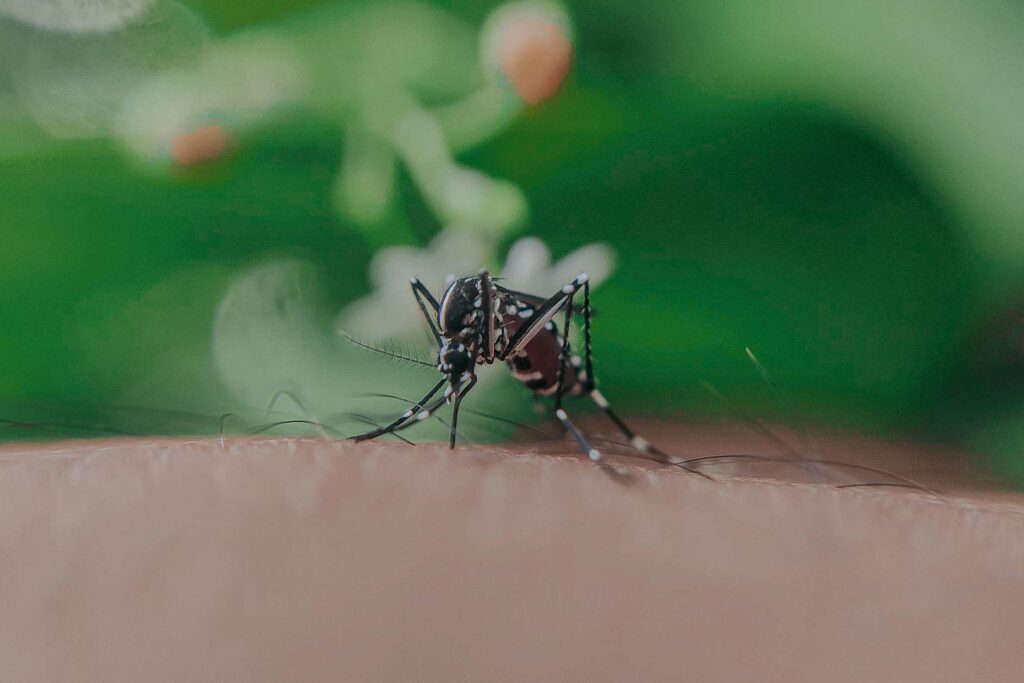
Male and female mosquitoes can be distinguished by their antennae. Males have feather-like or plumose antennae, while females have antennae with only a few hairs. Bands of white scales in characteristic body locations can also help with the identification of certain mosquito species.
Several species of Aedes mosquitoes, for example, can be present in a given area. Knowing which mosquito species are nearby matters because breeding habits and peak activity windows differ from one type to the next.
How to Spot Mosquito Activity Inside Your Home
When the season ramps up, you may notice mosquitoes slipping indoors through open doors and windows. Females seeking a blood meal are the ones that bite, and their less conspicuous antennae (compared to the feathery antennae of males) can help you confirm what you are seeing.
A sudden increase in biting activity indoors, especially around dawn or dusk, often signals that the local mosquito season is well underway. As activity declines later in the year, indoor encounters typically become less frequent.
Where Mosquito Activity Shows Up Around Homes
Mosquitoes always develop in water, but the type of breeding place varies with the species. Common breeding places include flood waters, woodland pools, and slowly moving streams and ditches, particularly when those waters contain biological waste.
Around a typical two-story suburban home, any low spot that collects water after rain can become a development site. Shaded areas that hold moisture longer tend to support mosquito species that prefer standing water near vegetation.
Exterior Entry Points Mosquitoes Use
Mosquitoes follow air currents and the carbon dioxide you exhale. Open garage doors, gaps around window screens, and doorways that stay propped open during warm months give them a direct path inside. Because some mosquito species are active throughout the day, these entry points can be used at any hour.
Keeping an eye on where water collects near your foundation and where gaps exist in your home’s exterior can help you track the start and end of mosquito season on your own property. When you begin seeing adults around these areas consistently, the season has arrived.
Why Problems Occur During Mosquito Season Start and End
Mosquito problems do not appear at random. They follow predictable waves tied to weather, available water, and the conditions around your yard. Understanding why activity ramps up and where it concentrates can help you stay ahead of the pressure throughout the season.
Outdoor Nesting Areas for Mosquitoes
According to the EPA, different species prefer various standing water sources for egg-laying. Permanent bodies of water, like ponds and streams, often contain predators that help control larvae. The more problematic breeding sites are marshes, swamps, clogged ditches, and temporary pools that lack those natural predators.
Heavy rains saturate the ground and create standing water that serves as breeding habitat. Mosquitoes emerge in predictable waves based on their preferred breeding environments. After a soaking rain, you should expect to see increased activity in the days and weeks that follow.
Food and Shelter That Attract Mosquitoes
About 200 different species of mosquitoes inhabit the United States, each occupying specific environments and displaying distinct behaviors. All of them share a four-stage life cycle: egg, larva, pupa, and adult. Every stage except the adult requires standing water to develop.
Overwatering outdoor landscapes can lead to standing water that draws egg-laying females to your property. Even small amounts of water in rain gutters, old tires, buckets, plastic covers, or toys can support breeding. Store containers upside down, cover them, or dispose of them so mosquitoes cannot lay eggs.
How Mosquitoes Move Around Homes
Some mosquitoes bite persistently from dawn to dusk. Their habitat becomes widespread after heavy rainfall, making them difficult to control during wet stretches of the season. That broad habitat range means activity can shift quickly from one part of your yard to another as water collects in new spots.
Systematically removing breeding sites where known populations originate is the best long-term control practice. Without those source areas, the cycle from egg to biting adult stalls out before it reaches your outdoor living spaces.
Trails and Entry Points Mosquitoes Use
Mosquitoes follow available water. Clogged gutters, uncovered containers, and low spots in the yard all serve as pathways that pull mosquitoes closer to your home.
Cover or drain plastic pools when they are not in use. The EPA notes that removing standing water from any container where mosquitoes can breed is a key step in reducing the conditions that support seasonal activity around your home.
Risks From Mosquito Season Start And End
Understanding the risks tied to mosquito season start and end helps you stay ahead of potential problems around your home. As mosquito activity ramps up and winds down, the threats shift in ways worth paying attention to.
Health Risks Linked to Mosquito Season
The primary concern during active mosquito months is disease transmission. Certain Culex species are the primary disease-carrying mosquitoes of concern to public health officials. These mosquitoes prefer stagnant water with high bacterial content, which can build up in yards during the season.
Some of the viruses that mosquitoes transmit cause encephalitis, including St. Louis encephalitis, eastern equine encephalitis, and West Nile encephalitis. Homeowners should be vigilant about preventing bites to reduce the risk of contracting diseases.
Not every species carries the same level of risk. The Asian tiger mosquito (Aedes albopictus) has been implicated in the transmission of dengue, but it is not a major vector and is a less efficient carrier than other Aedes mosquitoes.
Property Damage from Mosquito Activity
Mosquitoes do not cause structural or property damage the way some other pests do. The real cost is in comfort. High mosquito activity throughout the season can make your yard difficult to enjoy, turning patios and outdoor living spaces into no-go zones during peak hours.
Food Areas and Mosquito Activity
Outdoor cooking and dining areas can draw mosquitoes when standing water collects nearby. Any site that accumulates water should be inspected for possible mosquito breeding. If disease-transmitting mosquitoes are suspected, larvae may be submitted to specialists for species identification.
The EPA recommends managing mosquito populations as part of disease prevention. Keeping gathering areas clear of standing water reduces the chance that breeding sites develop close to where your family spends time.
When to Look Closer at Mosquito Activity
If disease-transmitting mosquitoes are confirmed on a property, breeding site removal must be considered. Sites identified as actively breeding mosquitoes should be noted for follow-up control efforts. Culex species, for example, can breed in urban storm drains, making prediction and control challenging.
Pay attention as conditions shift. Culex mosquitoes typically emerge as conditions dry, so activity may increase at points in the season you would not expect. Monitoring standing water sources throughout the full mosquito season start and end cycle keeps you better informed about what is breeding near your home.
Professional Pest Control for Mosquitoes
As mosquito season ramps up, knowing what you can do on your own and where professional help fits in makes a real difference. Homeowners can take steps to reduce mosquito populations, but over-the-counter options have clear limits. A recurring approach that combines property inspection, targeted treatment, and larval control gives you more consistent coverage from the start of the season to the end.
How to Reduce Attractants for Mosquitoes
The single biggest thing you can do is remove standing water around your property. According to Texas A&M AgriLife Extension, homeowners can reduce mosquito populations by removing standing water and applying larval control products like dunks. Even small containers that collect rainwater can become breeding sites.
However, commercial products have limits. Store-bought adult mosquito sprays typically last only about 24 hours, and professional barrier treatments degrade over time as well. That is why consistent retreatment matters more than any single application.
Understanding which mosquito species are present on your property can also help determine the best control and prevention strategies. Different species may respond to different approaches, so a blanket solution does not always cover the full picture.
Why Mosquito Control Starts With Inspection
Regular property inspections after rain are recommended to find and remove standing water sources. Rainfall creates ideal conditions for a surge in mosquito populations, so checking your yard after storms keeps breeding opportunities in check.
ClearDefense technicians walk the full yard during each visit. They identify and communicate areas of the property that may be contributing to mosquito activity. Addressing those conditions can often reduce pressure without additional products.
Your local mosquito and vector control agency can also provide management information about mosquitoes in your area. Combining that awareness with recurring professional visits gives your yard consistent attention throughout the season.
What to Expect During Professional Mosquito Treatment
ClearDefense uses backpack fogging treatments with products like Duraflex or Tempo SC. Each treatment takes roughly twenty minutes, though yard size can change that. Monthly fogging adds a barrier that discourages mosquitoes from neighboring properties from gaining a foothold on yours.
Treatments hold up after rainfall. They work to reduce the population of mosquitoes over time, even in rainy weather. That durability matters because rain is exactly what drives new mosquito activity between visits.
A larvicide containing an insect growth regulator is also applied. It disrupts the growth and reproductive cycle of mosquitoes in your yard. The larvicide is spread by mosquitoes themselves, so there is no need to locate every hidden pocket of standing water.
What to Expect from a Mosquito Control Plan
ClearDefense offers recurring service only, not one-time treatments. Each application reduces the number of mosquitoes on your property, and results build with each visit over the course of the season. A Defense Report documents every product used and every finding.
The plan also includes a re-treat guarantee. If mosquito pressure returns between scheduled visits, ClearDefense comes back. That kind of accountability is built into the recurring model and keeps your yard covered from the mosquito season start through its end.
Consistent professional attention, paired with your own efforts to reduce standing water, gives your property a layered defense that no single spray can match.
Bottom Line on Mosquito Season Start and End
Mosquito season start and end depends on temperature patterns in your area, but the core principle stays the same: warm weather plus standing water equals mosquito activity. Reducing breeding habitat around your property and layering in professional treatments gives you the best chance of keeping populations low throughout the season. ClearDefense Pest Control offers recurring monthly fogging paired with larvicide applications that continue working between visits, so reach out to request a quote for your yard.
Frequently Asked Questions
How do I know when mosquitoes are active near my home?
You will typically notice more bites and increased buzzing around your yard once temperatures stay consistently warm. Activity often picks up after periods of rain, when water collects in low spots, containers, and other areas around the property.
What can I do on my own to lower mosquito numbers?
Walk your property regularly and dump out any containers holding water. Over-the-counter sprays can help in the short term, but most consumer products only last about 24 hours. Pairing your own efforts with a professional service plan tends to produce more consistent results.
How often does ClearDefense treat for mosquitoes?
ClearDefense provides monthly fogging treatments. Each visit takes roughly twenty minutes, though larger yards may require a bit more time. Treatments hold up after rainfall and continue to reduce the mosquito population over time.
Will treatments still work in rainy weather?
Yes. ClearDefense treatments are designed to hold up even during rainy stretches. The larvicide component spreads on its own, so there is no need to locate every pocket of standing water. Your technician will also point out areas on your property that may be contributing to breeding conditions.