
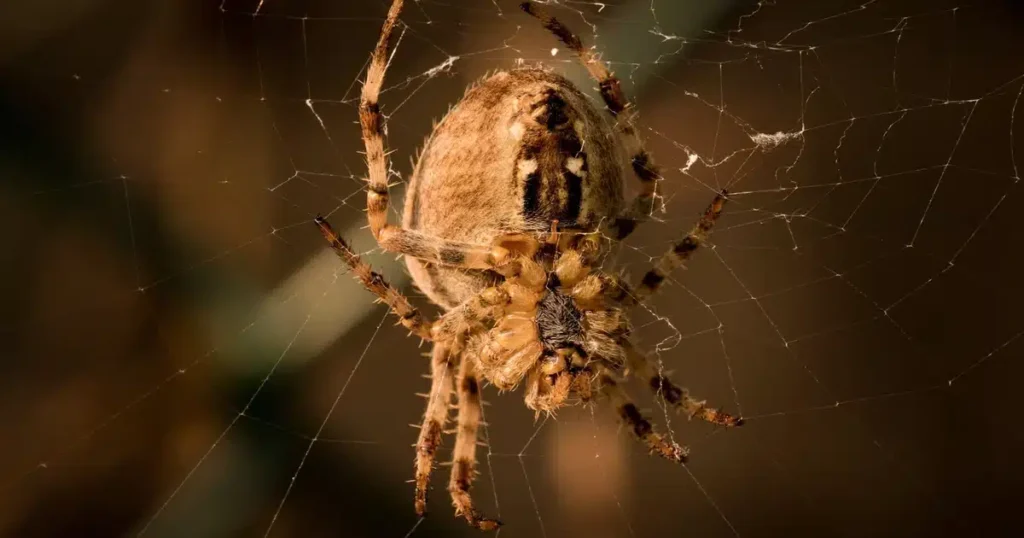
North Carolina hosts more than 50 spider species, and a handful of them show up inside homes regularly. Most are nuisance pests that build messy webs in corners and feed on insects. Two, the black widow and brown recluse, can deliver bites that require medical attention. Knowing which spider you’re looking at changes how you respond.
Key Takeaways
- North Carolina has two medically significant spiders: the black widow and the brown recluse.
- Most species you’ll encounter indoors, including wolf spiders and orb weavers, pose minimal risk to humans.
- Spiders enter homes through gaps in foundations, windows, and door frames while following insect prey.
- Recurring exterior treatments and targeted interior applications reduce spider pressure over time.
- A documented Defense Report tracks every finding and every product used at each service visit.
Common Spiders You’ll Find in North Carolina Homes
Most spiders that appear inside homes in North Carolina arrived by following their food supply. Insects are the primary prey for nearly every arachnid species on this list. Reduce insects around your foundation and you reduce the spider population that hunts them.
Wolf Spiders in NC: Large, Fast, and Misidentified
Wolf spiders are among the most commonly reported spiders in North Carolina homes. They are large, brown, and covered in fine hair, which leads most homeowners to misidentify them as tarantulas. Unlike web-spinning species, wolf spiders hunt prey actively on the ground. They do not spin webs. Females carry egg sacs attached to their bodies, and once the eggs hatch, spiderlings ride on the mother’s back for several days. Wolf spider bites can be painful but are not medically dangerous to most adults.
Orb Weavers in NC: Garden Spiders with Striking Markings
Orb weavers build the large, circular webs you see spanning shrubs, porch railings, and garden beds from late summer into fall. The yellow garden spider is the most recognizable species in this family, with a black body marked by bright yellow bands. Orb weavers catch flying insects in their silk webs and are strongly associated with wooded areas and overgrown vegetation near the home’s exterior. They rarely enter structures but build webs on the outside walls, eaves, and corners of homes.
Brown Recluse Bites in North Carolina Homes
The brown recluse is present in North Carolina, primarily in the western and central regions of the state. It is a small spider, typically under an inch in body length, with a uniform tan-to-brown body and a darker violin-shaped marking on the top of the cephalothorax. Brown recluse bites are medically significant. The venom can cause necrotic tissue damage if left untreated. The spider hides in dark, undisturbed spaces: inside cardboard boxes, behind stored items, in closets, and under furniture. It bites humans when it feels threatened and pressed against skin. Seek medical attention immediately if you suspect a brown recluse bite.
Black Widow Spiders in NC: Identify the Red Hourglass
The southern black widow is the venomous spider North Carolina residents encounter most often. Females have a shiny black body with a bright red hourglass marking on the underside of the abdomen. Males are smaller and less dangerous. Black widows prefer dark, dry, sheltered habitats: wood piles, garage corners, under decks, and inside hollow tree stumps. Their venom is a neurotoxin that causes severe muscle cramping, pain, and in rare cases, more serious symptoms. Any suspected black widow bite warrants a call to poison control or a visit to an emergency room. According to the CDC, black widow bites are rarely fatal when treated promptly.
Yellow Sac Spiders in NC: The Nighttime Biters
Yellow sac spiders are small, pale yellow spiders that build tubular silk retreats in corners where walls meet ceilings. They are nocturnal hunters and one of the more common species to bite humans in North Carolina, usually because a person rolls onto one in their sleep or reaches into a space where the spider has retreated. The bite produces a burning sensation and localized redness. Yellow sac spiders are not considered dangerous, but bites can cause discomfort lasting several days.
Fishing Spiders in NC: Found Near Water Sources
Fishing spiders are large arachnids that prefer habitats near water: ponds, streams, and heavily wooded areas with moisture. They are one of the bigger spider species North Carolina homeowners encounter, sometimes reaching a leg span of three inches. Fishing spiders do not build webs to capture prey. Instead, they hunt insects and small aquatic creatures directly. They occasionally enter homes through basement windows and crawlspace vents near wet foundations. Their size makes them alarming, but bites are rare and produce mild symptoms.
Trapdoor Spiders in NC: Underground Ambush Predators
Trapdoor spiders are uncommon but present in North Carolina, particularly in sandy, well-drained soil areas. They construct burrows sealed with hinged silk doors, which they use to ambush passing insects. Homeowners rarely see them indoors. They surface most often during heavy rain events that flood their burrows. Trapdoor spiders are not considered dangerous to humans. Their bites are painful but produce no lasting effects in most cases.
Green Lynx Spider and Goldenrod Crab Spider in NC Gardens
The green lynx spider is a bright green, long-legged species that hunts in flowering plants and shrubs without building a web. It ambushes prey, including caterpillars, beetles, aphids, and flies, by stalking through vegetation. The goldenrod crab spider takes a different approach: it changes color to match flowers and waits for pollinators to land. Both species contribute to controlling insect populations in garden beds and rarely enter homes.
Why Spiders Enter NC Homes and When They Peak
Spiders follow insects, and insects follow warmth and light. In North Carolina, spider activity inside homes increases in late summer and fall as temperatures drop and outdoor prey becomes harder to find. Males of many species also wander in late summer while searching for mates. Entry points include gaps around pipe penetrations, window frames with damaged screens, and foundation cracks that also let in the smaller insects spiders hunt.
Homes surrounded by dense shrubs, wood piles, or heavily mulched beds give spiders more harborage directly adjacent to the structure. From those harborage sites, entry into the home is a short trip. Removing debris and vegetation from the perimeter reduces the staging ground these spiders use before moving inside.
Venomous Spiders in NC Homes: When to Get Medical Help
Two spider species in North Carolina are medically significant: the black widow and the brown recluse. Both bites can cause serious symptoms if left untreated. The challenge with brown recluse bites is that the initial bite is often painless. The wound develops slowly over several hours or days, making it easy to dismiss early on. By the time tissue damage becomes visible, the injury is already progressing.
Black widow bites produce faster and more obvious systemic symptoms: muscle pain, cramping, sweating, and nausea. If you find a black widow or brown recluse inside your home, do not handle it. Note where you saw it and contact a pest control professional. According to the EPA’s integrated pest management framework, the most effective approach combines habitat modification, exclusion, and targeted treatments rather than reactive spraying alone.
How ClearDefense Controls Spiders in North Carolina
ClearDefense’s recurring general pest control plan targets spiders at the exterior of your home before they reach the interior. Quarterly service visits treat the foundation perimeter, eaves, and other areas where spiders build webs, lay egg sacs, and stage before entering. Each visit includes a documented Defense Report showing every product applied and every pest finding recorded during the inspection.
Spiders are listed as a covered pest under ClearDefense’s standard home plan. Because spiders follow insect prey, the plan’s broader insect control work also reduces the food supply that draws spiders toward your home in the first place. Quarterly service starts at $53 per month for homes under 3,000 square feet, with a $99 initial visit. Request a quote to get a figure specific to your home and service area.
Technicians follow EPA-recommended integrated pest management protocols, applying targeted treatments to entry points, harborage areas, and active web sites rather than blanket-treating interior surfaces. The Defense Report from each visit gives you a written record of what was found, where, and what was applied.
Keeping Spiders Out of Your NC Home Year-Round
Prevention reduces spider pressure between service visits. The following steps address the conditions that draw spiders to North Carolina homes during peak activity season and year-round.
- Seal cracks and gaps in the foundation, around window frames, and at pipe penetrations using caulk or foam backer rod.
- Install or replace door sweeps on exterior doors, including the garage door.
- Move firewood, lumber piles, and debris away from the home’s exterior walls.
- Trim shrubs and ground cover plants so they do not contact the foundation.
- Reduce outdoor lighting that attracts flying insects, which in turn attract hunting spiders.
- Remove existing webs and egg sacs from eaves, porch ceilings, and garage walls regularly to discourage re-establishment.
Bottom Line on Spiders in North Carolina Homes
Most spider species in North Carolina are nuisance pests rather than dangerous ones. They build messy webs, startle homeowners, and feed on the insects already present around the home. The black widow and brown recluse are the exceptions. Both are present in North Carolina and both can deliver bites that require prompt medical attention.
Managing spiders long-term means addressing the insect populations they feed on and the harborage conditions that bring them to your exterior walls. ClearDefense’s quarterly general pest control plan covers spiders as a standard pest and provides a documented Defense Report at every visit. Request a quote at cleardefensepest.com/ to get started with a plan built around your home’s needs.
Frequently Asked Questions
Are there deadly spiders in North Carolina?
Fatal spider bites are extremely rare in the United States, including North Carolina. The black widow and brown recluse are the two species considered medically significant in the state. Both can cause serious symptoms, but fatalities are uncommon when the patient receives prompt medical treatment. If you suspect either bite, contact poison control or go to an emergency room without delay.
What is the most common spider found inside NC homes?
Wolf spiders and yellow sac spiders are among the most frequently reported species inside North Carolina homes. Wolf spiders enter through ground-level gaps while hunting insects, while yellow sac spiders build retreats in upper wall corners and are active at night. Orb weavers are common on exterior walls and eaves but rarely move indoors.
How do I identify a brown recluse spider in my home?
A brown recluse is small, typically under an inch in body length, with a uniform tan-to-brown coloring and a darker violin or fiddle-shaped marking on the top of its midsection. It hides in undisturbed, dark spaces such as storage boxes, closets, and under furniture. If you find a spider matching this description, avoid handling it and contact a pest professional to confirm identification.
When is spider season in North Carolina?
Spider activity inside North Carolina homes increases in late summer and early fall, from August through October. Dropping outdoor temperatures push spiders and their insect prey toward structures. Male spiders also wander during this period while searching for mates. Exterior perimeter treatments applied on a quarterly schedule help reduce the number of spiders staging near the home before they move inside.
Does ClearDefense cover spiders under its general pest control plan?
Yes. Spiders are a covered pest under ClearDefense’s standard recurring general pest control plan. Service visits treat the exterior perimeter, eaves, and active web sites, and each visit includes a documented Defense Report. ClearDefense does not offer one-time general pest control services. Quarterly recurring service is the standard plan structure.